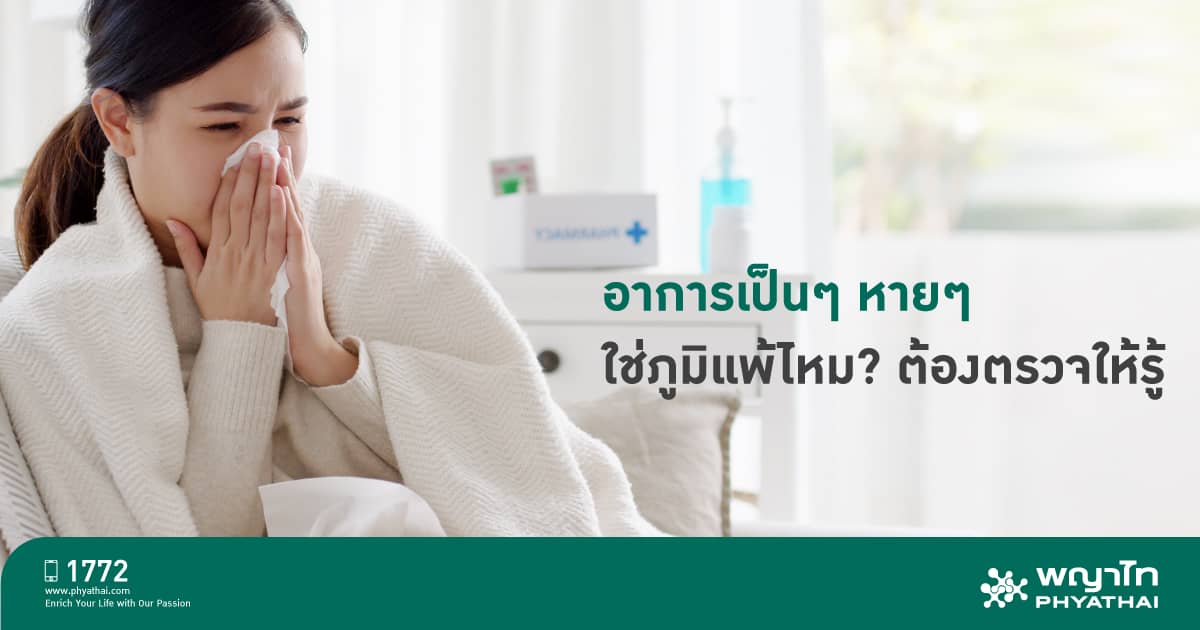
Allergic diseases are common in children and can be found from birth. They tend to increase every year due to environmental conditions, pollution, or other triggers that cause allergies, which have become more diverse with the development of big cities.
What is an allergy?
Allergy is a group of diseases that can show symptoms in various body systems, such as allergic rhinitis, food allergy-induced asthma, or allergic skin conditions including chronic urticaria. Symptoms vary from person to person.
Many parents often think that their child’s allergy symptoms will disappear as they grow older. However, in reality, even if the external symptoms seem to improve or disappear, allergies often recur when the body is exposed to triggers. Leaving allergies untreated can lead to complications such as sinusitis or chronic asthma, which can affect the child’s long-term health.
What to do if you suspect an allergy?
Most allergies are not life-threatening but can significantly disrupt daily life. If an allergy is suspected, it is important to identify the cause to avoid the allergen.
Currently, there is a convenient, fast, and safe method without side effects for children called the Skin Prick Test.
The skin prick test involves dropping allergen extracts on the skin, including airborne allergens and food allergens. A specialist doctor will select the types and amounts of allergens for each patient. After dropping the extract, the doctor will prick the center of the drop with a needle. If the patient is allergic to that allergen, a reaction will occur, causing a raised bump and redness, indicating an allergic reaction within 15 minutes after the test.
Why do we test for allergies?
- To identify the specific cause of the allergy and the source of symptoms
- To plan treatment or avoid the allergen to reduce severity and better control allergy symptoms
How to prepare before the skin prick test
- Antihistamines and cold medicines should be stopped at least 7 days before the test
- If you have any chronic diseases or regularly take any medications, inform the doctor before the test
- Wear short-sleeved shirts or shirts with sleeves that can be rolled up for convenience during the test
Knowing means treating correctly!!
Allergy is a chronic condition. Although many allergies cannot be completely cured, they can be prevented, controlled, and treated to improve symptoms. This starts with avoiding allergens to prevent or reduce symptoms. Consistent use of medication as prescribed by a doctor will improve symptoms. Finally, it is important to eat nutritious food, get enough rest, exercise to strengthen the body, and importantly, arrange the living environment to minimize exposure to allergens.
Dr. Nitthida Pannakapithak
Specialist in Pediatric Allergy and Immunology
Child and Adolescent Health Center, Phyathai 1 Hospital
