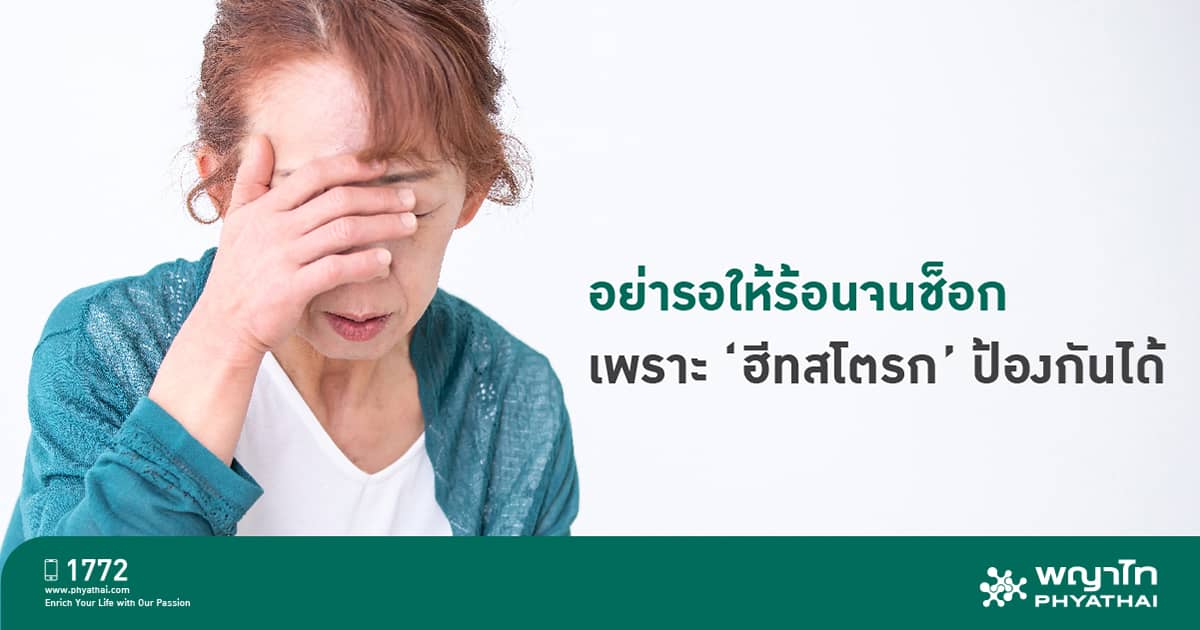
In normal conditions, the body regulates its temperature by releasing heat through sweating, which helps to cool the body down. However, heatstroke is a life-threatening condition that occurs when the body’s natural cooling mechanism fails—not only losing water but also vital electrolytes, which maintain blood concentration. As a result, you may not even feel thirsty until dehydration becomes severe—and by then, it may be too late.
Warning Signs of Heatstroke: Act Fast to Avoid Shock
When exposed to intense heat, it’s common to experience headaches. But if you also begin to feel nauseated, thirsty, breathing rapidly, increasingly hot without sweating, or exhibit signs of confusion, hallucinations, or incoherent speech, these could be early signs of heatstroke.
Immediate action must be taken to lower the body temperature before it progresses to shock and potential organ failure.
How to Prevent Heatstroke
- Drink plenty of water, especially during hot weather or when temperatures approach 40°C.
- Avoid prolonged exposure to direct sunlight, particularly during midday hours.
- Do not remain inside parked cars or enclosed spaces under the sun.
- Wear lightweight, breathable clothing that allows heat to dissipate and does not constrict the body.
- Avoid consuming alcohol, as it can accelerate dehydration.
Office Workers Are Also at Risk
Many people believe that only outdoor workers or the elderly are vulnerable to heatstroke. However, office workers accustomed to air-conditioned environments can also be at risk. Sudden exposure to intense sunlight during a lunch break or commute—after spending hours in a cool environment—can lead to thermal shock, as the body fails to adjust to the abrupt temperature change.
Global Impact and the Importance of Awareness
Numerous heat-related deaths have been reported globally—even in countries with cooler climates than Thailand. This reinforces the need to take heatstroke seriously. The best protection is prevention—avoiding risk factors and maintaining good physical health through regular exercise and proper hydration.
Be mindful. Stay hydrated. Stay safe.
If you or someone nearby shows signs of heatstroke, seek emergency medical attention immediately.
