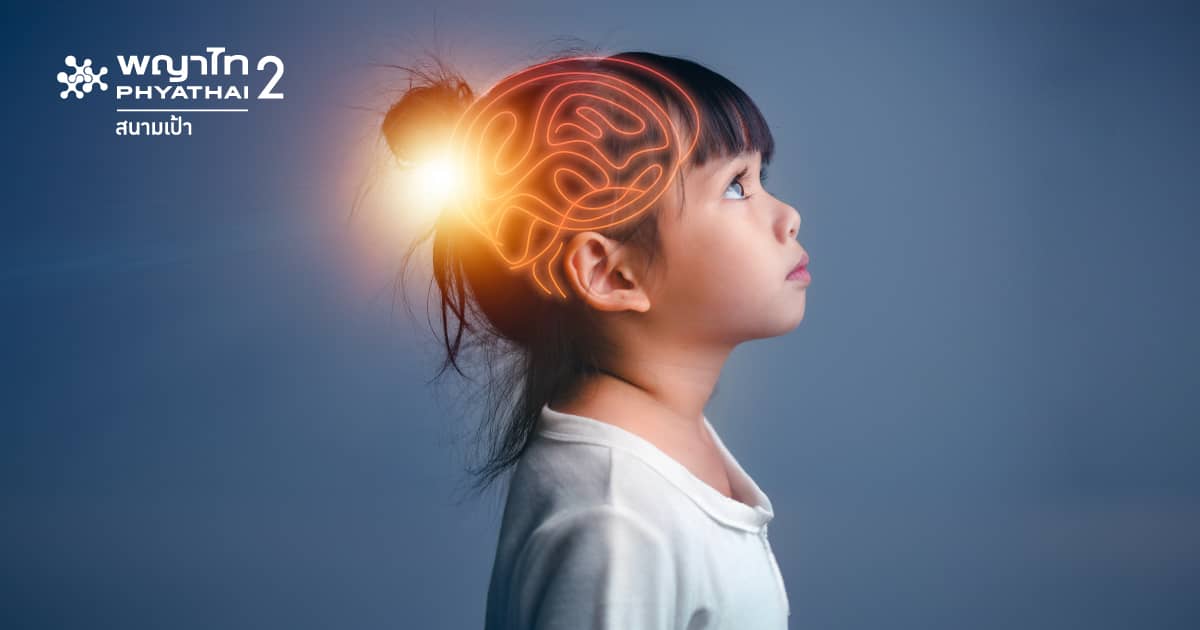
Today, parents are increasingly vigilant about monitoring their children for signs of abnormalities. Coupled with advancements in medical innovation, diseases related to the brain and nervous system in children can now be diagnosed earlier and more accurately.
But is it true that timely treatment can lead to a faster recovery compared to adults? Dr. Jiraporn Amornfa, a neurosurgeon at Phyathai 2 Hospital, sheds light on this question.
Diseases affecting the brain and nervous system can significantly impact the growth and development of the brain and spinal cord. Early detection often leads to recommendations for immediate surgery to optimize treatment outcomes.
Advances in Pediatric Brain Surgery
- Preoperative Diagnosis with Precision: Magnetic resonance imaging (MRI) allows detailed visualization of the brain, providing a clearer view of pathological conditions or diseases.
- Surgical Navigation System: A navigation system assists surgeons in precisely reaching the targeted area during surgery. It functions similarly to a car’s GPS, guiding the procedure accurately to the desired location.
- Nerve Function Monitoring: Nerve monitoring during surgery ensures that critical nerves are not damaged or affected, helping to preserve their function and prevent unintended harm to other vital areas.
Is Recovery Faster for Children Compared to Adults?
- Children: In general, children tend to have stronger health compared to adults, provided they do not have additional physical illnesses. The brain of children, especially those under six years old, has a remarkable capacity for development and self-repairs. Therefore, after surgery, children typically recover faster than adults.
- Adults: Adults, particularly the elderly, often have comorbidities such as high blood pressure, heart disease, or lung conditions, which can increase surgical risks. Additionally, the physical condition, brain, and nerves of adults tend to deteriorate with age. Post-surgery recovery in adults is usually slower and more challenging compared to pediatric patients.
Post-Surgical Complications and Care
- Mild Cases: Early diagnosis and less severe conditions typically result in minimal complications, with hospital stays as short as 2–3 days before transitioning to home recovery.
- Severe Cases: Conditions involving deep brain areas require complex surgical techniques and more extensive post-operative care. Potential complications include infections, bleeding, or nerve injuries. However, advanced facilities and skilled personnel can significantly reduce these risks.
Consequences of Untreated Conditions
Parents must consider the necessity of treatment. For example, untreated brain tumors may grow, leading to irreversible brain damage, disabilities, or even death. Early intervention not only increases survival rates but also improves the child’s chances of returning to a normal life.
Early Treatment for Faster Recovery
Comprehensive planning by an expert medical team, supported by state-of-the-art technology, ensures safe and effective surgery. This approach allows patients to recover swiftly and resume their normal lives as soon as possible.
“Effective treatment enables a return to normal life faster.”
