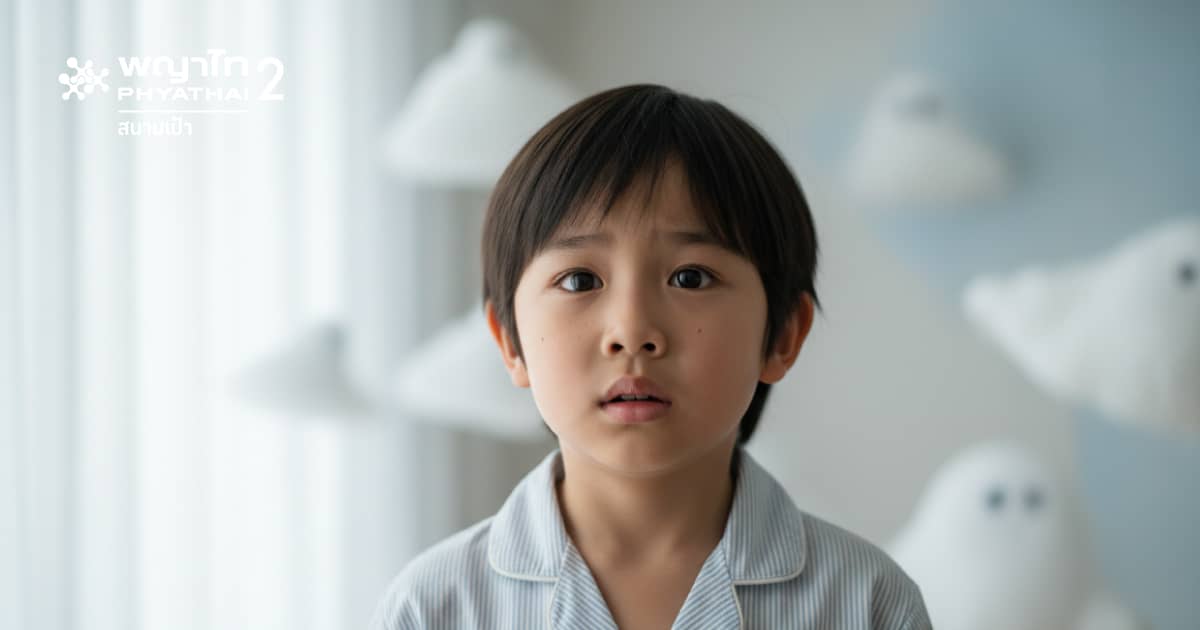
Ghost Stories or Conditions to Watch For
When children say things like “I saw a ghost,” “Someone talked to me,” or “I have friends that others can’t see,” many families may consider it just age-appropriate imagination. However, sometimes what children say may be more than just the fantasy of a developing brain and may reflect mental or neurological abnormalities that require diagnosis. Many parents may have heard their children say
“I saw a ghost”
“Someone is standing there”
“I hear someone calling at night”
These statements may cause adults to feel worried, confused, or unsure whether to believe them because some think it is just children’s imagination. But in some cases, these symptoms may be health warning signs that should not be overlooked.
Children’s Age-Appropriate Imagination or True Hallucinations?
In young children, especially between ages 3–7, the brain is rapidly developing. Children often have a wide imaginative world, such as having imaginary friends or playing pretend roles. However, this is different from “hallucinations”, where children may feel scared, confused, or show changed behaviors such as:
- Talking repeatedly to things that do not exist
- Being startled easily, afraid to be alone
- Having difficulty sleeping, recurring nightmares
- Sudden changes in personality, such as aggression or unusual silence
When “Seeing Ghosts / Hallucinations” May Be a Medical Sign
If the symptoms are not due to age-appropriate imagination but may be hallucinations, which are perceptions of things that do not exist through the senses, such as seeing, hearing, or feeling sensations.
Warning Signs Parents Should Pay Attention To
- The child insists on seeing or hearing things “repeatedly,” even in bright places or when fully awake
- Severe fear, crying, frequent night awakenings in fright
- Behavioral changes such as withdrawal, no longer playing as before, irritability
- Decreased concentration, declining academic performance
- Insomnia, loss of appetite, or physical symptoms such as headaches, seizures, high fever
Causes to Watch For: Hidden Medical Conditions
Children who frequently “see ghosts” or “have hallucinations” may have abnormalities that require medical evaluation, such as:
1. Childhood Psychiatric Disorders
-
- Childhood Schizophrenia Although rare, it is characterized by hallucinations or hearing voices
- Pediatric Bipolar Disorder Mood disorders accompanied by hallucinations or unusual beliefs
2. Psychological Stress or Trauma
Children who have experienced traumatic events such as loss of a loved one or abuse may have hallucinations that reinforce the traumatic event.
3. Neurological Disorders
-
- Temporal Lobe Epilepsy may cause short episodes of psychotic symptoms in children
- Brain abnormalities (such as tumors or infections) may trigger hallucinations
4. Side Effects from Medications or Chemicals
Some medications, such as those for ADHD, or certain substances that children may accidentally ingest.
How Parents Should Respond When a Child Says “I Saw a Ghost”
- Listen attentively without immediate denial or threats Do not say “There is no such thing, don’t think about it,” but ask calmly.
- Observe the child’s overall behavior Watch eating, sleeping, playing, mood, and learning.
- Avoid reinforcing fear Do not tell ghost stories or expose to media that stimulate intense imagination.
- Create a sense of safety Hug, comfort, stay close, and arrange a suitable environment.
- Take the child to see a doctor if warning signs appear Especially if symptoms recur, worsen, or affect daily life.
If a child repeatedly sees or hears things that do not exist along with behavioral changes such as severe fear, insomnia, decreased concentration, or declining academic performance, it may be related to stress, sleep disorders, infections, neurological issues, or mental health problems and requires evaluation by a specialist.
Phyathai 2 Hospital emphasizes holistic child health care, including development, brain, nervous system, and mental health, to help differentiate whether symptoms are just age-appropriate development or medical signs that need proper care. Early assessment can reduce parental anxiety and promote the child’s long-term development.
Asst. Prof. Dr. Chidchanok Thianphat
Specialist Pediatric Neurologist
Phyathai 2 Hospital
