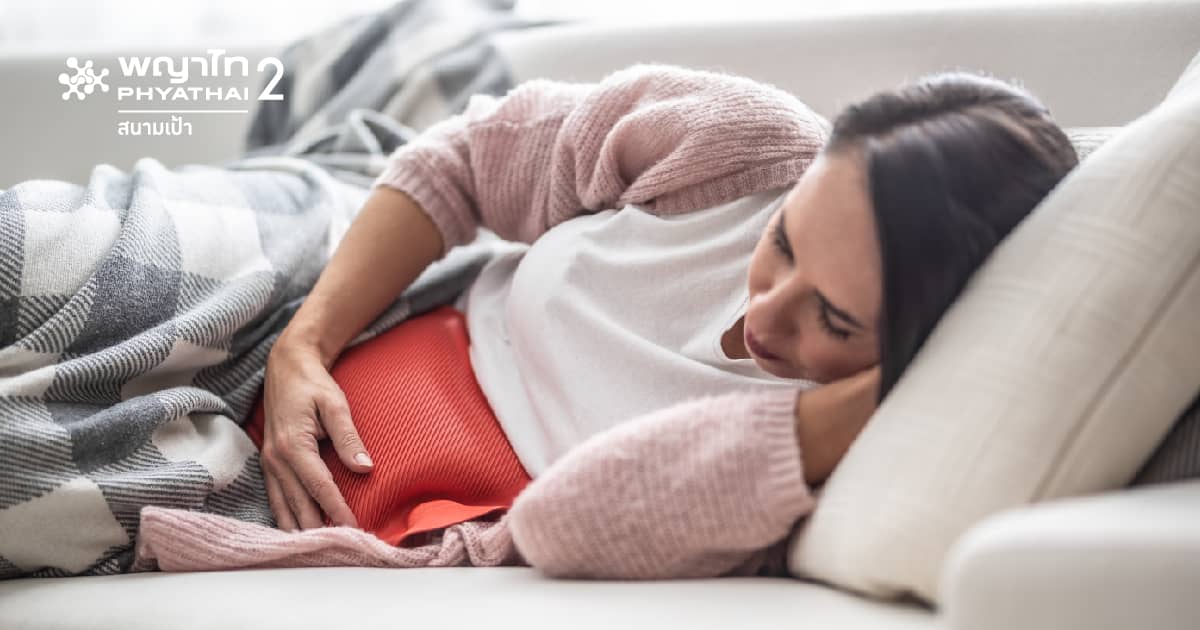
Menstrual pain is a common experience for most women. Typically, menstrual cramps cause mild lower abdominal pain that can be uncomfortable, but some cases involve severe pain that interferes with daily activities.
Common Symptoms of Menstrual Cramps
Menstrual cramps are common among teenage girls and young women. They can occur 1-2 days before the onset of menstruation, during the first days of the period, or even after menstruation has ended. The pain ranges from cramping, throbbing, and intense lower abdominal pain to pain radiating to the lower back and thighs. Other symptoms may include nausea, vomiting, bloating, diarrhea, constipation, dizziness, and sweating.
Types and Causes of Menstrual Cramps
Menstrual pain can be divided into two main types based on the cause:
1. Primary Dysmenorrhea Primary dysmenorrhea refers to menstrual pain not associated with reproductive organ disorders. It is primarily caused by the excessive contraction of the uterine muscles. During menstruation, the body produces prostaglandins, which stimulate uterine muscle contractions to help shed the uterine lining. High levels of prostaglandins lead to more intense contractions, increasing menstrual pain.
2. Secondary Dysmenorrhea Secondary dysmenorrhea is menstrual pain caused by reproductive organ disorders or diseases, such as:
- Endometriosis: A condition where endometrial tissue grows outside the uterus (e.g., on the ovaries, fallopian tubes, or other pelvic tissues), causing pain and inflammation.
- Ovarian Cysts: Fluid-filled sacs that grow on the ovaries, causing pelvic pain, especially during menstruation.
- Uterine Fibroids: Non-cancerous tumors in the uterus, which can cause pain and discomfort during menstruation.
- Pelvic Inflammatory Disease (PID): An infection spread from the vagina to the reproductive organs, resulting in chronic pelvic pain.
- Intrauterine Device (IUD): Certain IUDs can lead to menstrual cramps.
Ways to Relieve Menstrual Pain
- Pain Relievers: Commonly used for pain relief.
- Hot Compress: Applying a hot compress on the abdomen can help alleviate pain.
- Exercise: Light and regular exercise can reduce uterine contractions, helping to lessen menstrual pain.
- Mental Health Care: Practicing meditation or short massages can reduce stress and improve relaxation, which may relieve pain.
- Consult a Doctor: If the pain does not improve or worsens each month, see a doctor for diagnosis and appropriate treatment.
If you experience severe menstrual cramps, intense pain in a specific area, pain that worsens over time, prolonged bleeding over seven days, or continuous discomfort, it is advisable to consult a doctor for a thorough examination and targeted treatment.
