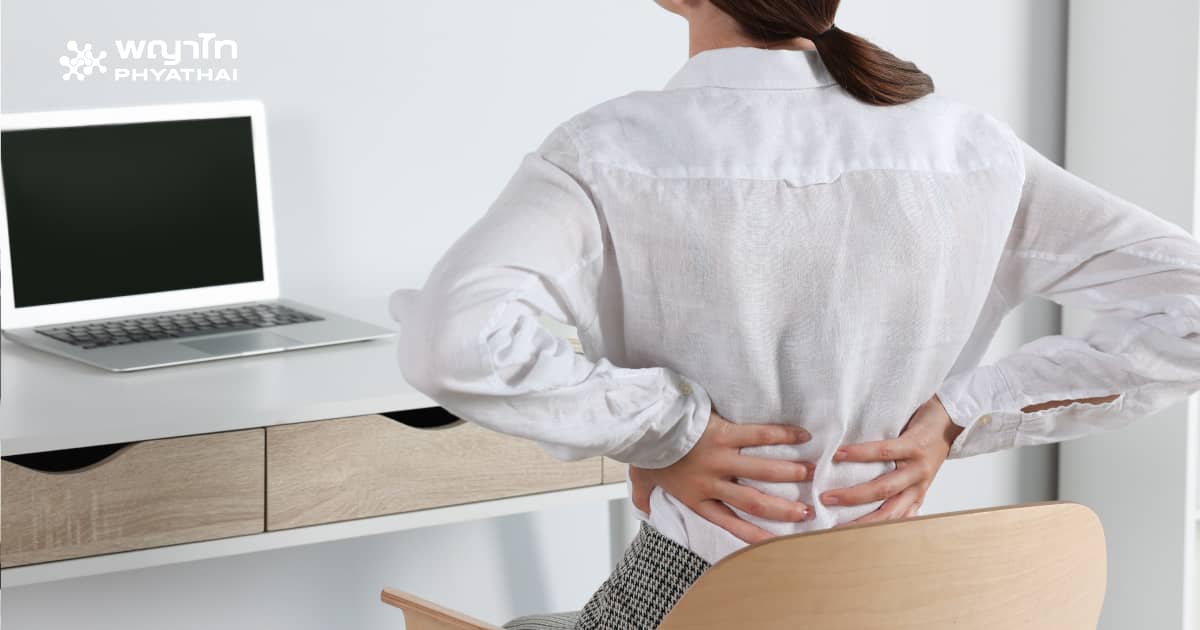
Many people may be familiar with or often hear that ‘Osteoporosis is a disease of the elderly’ but may not realize that osteoporosis can be the starting point of many other diseases. Especially elderly people who have slipped or fallen may develop osteoporotic vertebral fractures. This condition can also result from improper posture or accidents, which may cause vertebral compression fractures as well.
Who is at risk of vertebral compression or fracture?
Vertebral compression or fracture usually occurs in people aged 60 and over because most elderly people have osteoporosis, which is a major risk factor for fractures or vertebral collapse when falling or experiencing trauma to the spine.
However, it is not only the elderly who are at risk of vertebral compression. Younger people with strong spines can also suffer fractures, breaks, or compression if they experience severe trauma to the spine.
Symptoms of vertebral compression from osteoporosis
Vertebral compression or fracture often occurs at the junction of the lower thoracic and upper lumbar spine, causing pain in the lower back. Early diagnosis may be difficult. Patients may take medication to relieve pain and monitor symptoms for a period. If symptoms do not improve, further examination is necessary because improper treatment can lead to complications and more difficult treatment. If you experience the following symptoms, you should see a doctor promptly:
- Back pain severe enough to interfere with daily life
- Increased pain when changing posture or position
- If there is nerve compression, pain may radiate to the legs or arms, accompanied by numbness and weakness
Diagnosis of vertebral compression from osteoporosis
Currently, there is technology to diagnose vertebral compression from osteoporosis, which is Magnetic Resonance Imaging (MRI). MRI can examine internal organs using magnetic waves, providing highly accurate results with detailed and clear images. Doctors will assess the severity of the condition by considering how much the vertebra has compressed, the location of the compression or fracture near the spinal cord, and whether there is nerve compression to plan appropriate treatment.
Treatment of vertebral compression from osteoporosis
Treatment of vertebral compression from osteoporosis depends on the severity of pain and MRI scan results. If the pain is not severe, treatment may include medication, physical therapy, and wearing supportive devices. Patients must also take care of themselves by avoiding excessive movement and heavy lifting to allow the body to heal as quickly as possible.
Innovative treatment for vertebral compression from osteoporosis
with vertebral cement injection
For patients with osteoporosis and vertebral collapse or those who have had an accident causing vertebral compression but without nerve or spinal cord compression, if the doctor determines that the bone cannot heal on its own, treatment may involve vertebral cement injection to stabilize the spine. This method can repair vertebrae that are compressed or fractured. The cement hardens and supports the vertebra, providing quick results and a short recovery time.
For those without these symptoms, osteoporosis can be prevented by regularly consuming calcium-rich foods and exercising to strengthen bones, such as light jogging, brisk walking, or water exercises to provide resistance.
