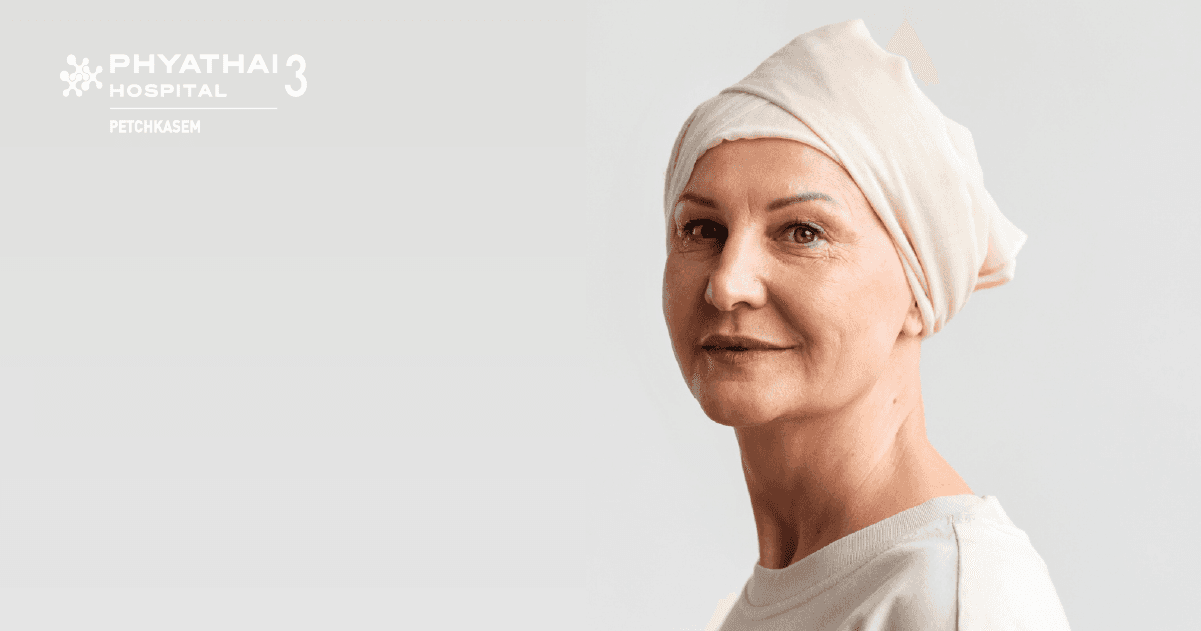
Why might people lose their hair from cancer treatment?
Hair loss can be a side effect of a cancer treatment called chemotherapy. Chemotherapy is the medical term for medicines that kill cancer cells or stop them from growing.
Not everyone who gets chemotherapy will lose their hair. Your doctor will tell you how likely you are to lose your hair. It will depend on:
- The chemotherapy medicines you get
- Your dose and how the medicines are given
When people lose their hair, it usually starts to fall out 2 to 3 weeks after chemotherapy starts. It can also fall out after a few chemotherapy sessions. Some people lose their hair a little at a time, and others lose it in clumps. Some people lose all of their hair, while others don’t. It usually doesn’t hurt when the hair falls out. Most often, people lose hair on their heads. But they can also lose hair from their armpits, beard area, eyebrows, genital area, and legs.
Another cancer treatment, called radiation therapy, can also cause hair loss. Not everyone who gets radiation therapy will lose their hair. It will depend on:
- The part of the body involved: People can lose hair on the part of the body that is treated with radiation.
- The dose of radiation and how the radiation is given
Will my hair grow back?
After all of your chemotherapy treatments are done, your hair will grow back (except in very rare cases). But your hair might look or feel different than it did before, especially at first. For example, it might be curlier or grayer. It can take 6 to 12 months for hair to grow back completely.
After radiation therapy, hair does not always grow back completely. If it does grow back, it can look or feel different than it did before.
Can hair loss be prevented?
In some cases, yes. There are special caps that can help prevent hair loss. They work by cooling your scalp while you are getting chemotherapy. The idea is that when the scalp is colder, less of the chemotherapy medicine reaches the hair cells. This can make the hair less likely to fall out. There are 2 types of caps: the first type that connects to a machine that keeps it cold, and the other type that starts out frozen and then is replaced with a new one as it thaws.
These caps are most often used by women getting treatment for breast cancer. But they are also approved for people with some other forms of cancer. The caps work better with some chemotherapy medicines than others, and sometimes they don’t work at all. They are not recommended for people with certain types of cancer, such as leukemia or some types of lymphoma.
Side effects can include feeling cold or having a mild headache. The caps can be expensive and are not always covered by insurance. If you are interested in trying this, talk to your doctor or nurse about whether it is right for you.
What can I do to manage my hair loss?
If the chemotherapy medicines you are getting have a high chance of causing hair loss, talk with your doctor or nurse. He or she can tell you what to expect and help you prepare for it.
To help take care of your hair and scalp before you lose it, you can:
- Use a mild shampoo, pat your hair dry (do not rub it), and use a soft brush
- Avoid using curling irons, hair dryers, rollers, hair bands, or hair clips
- Avoid putting hair spray, dyes, or chemicals in your hair
Some people choose to:
- Use a special cooling cap during chemotherapy to try to prevent hair loss
- Cut their hair short or shave their head, either before their hair falls out or when it starts to fall out
- Buy a wig, hairpiece, scarf, hat, wrap, or other head covering to use after their hair falls out. There may also be a shop at or near the place where you get your cancer treatments, so you can shop in person for head coverings.
Many people get a wig or hairpiece before they lose their hair. This makes it easier to match the natural hair to the wig or hairpiece. Most health insurance plans pay for wigs and hairpieces for hair loss from cancer treatment. But if your insurance doesn’t, or pays only for some of it, you can deduct your wig or hairpiece as a medical expense on your taxes.
After your hair falls out, wearing a wig, hairpiece, hat, scarf, wrap, or other head covering might help you feel better about the way you look. If you choose to wear a covering, make sure that it fits well and does not hurt your scalp.
You also need to take care of your scalp after your hair falls out. To keep your scalp from getting hurt or sunburned, you can:
- Cover your head when you go outside. Covering your head can also help you stay warm
- Put sunblock on your scalp when you are out in the sun
- Sleep on a satin pillow case
What can I do to take care of my hair as it grows back in?
To take care of your hair as it grows back in, you can:
- Wash it no more than twice a week
- Gently rub your scalp to get rid of any dry skin
- Be gentle when you style your hair. Try not to blow dry it too much or brush it too hard
- Avoid putting any chemicals or dyes in it until it is fully grown
What if I feel sad, angry, or worried about losing my hair?
These feelings are normal. For many people, losing their hair is one of the worst side effects of cancer treatment.
You might feel better if you talk to someone about your feelings. You can talk to your doctor, nurse, a friend or family member, or a mental health professional.
