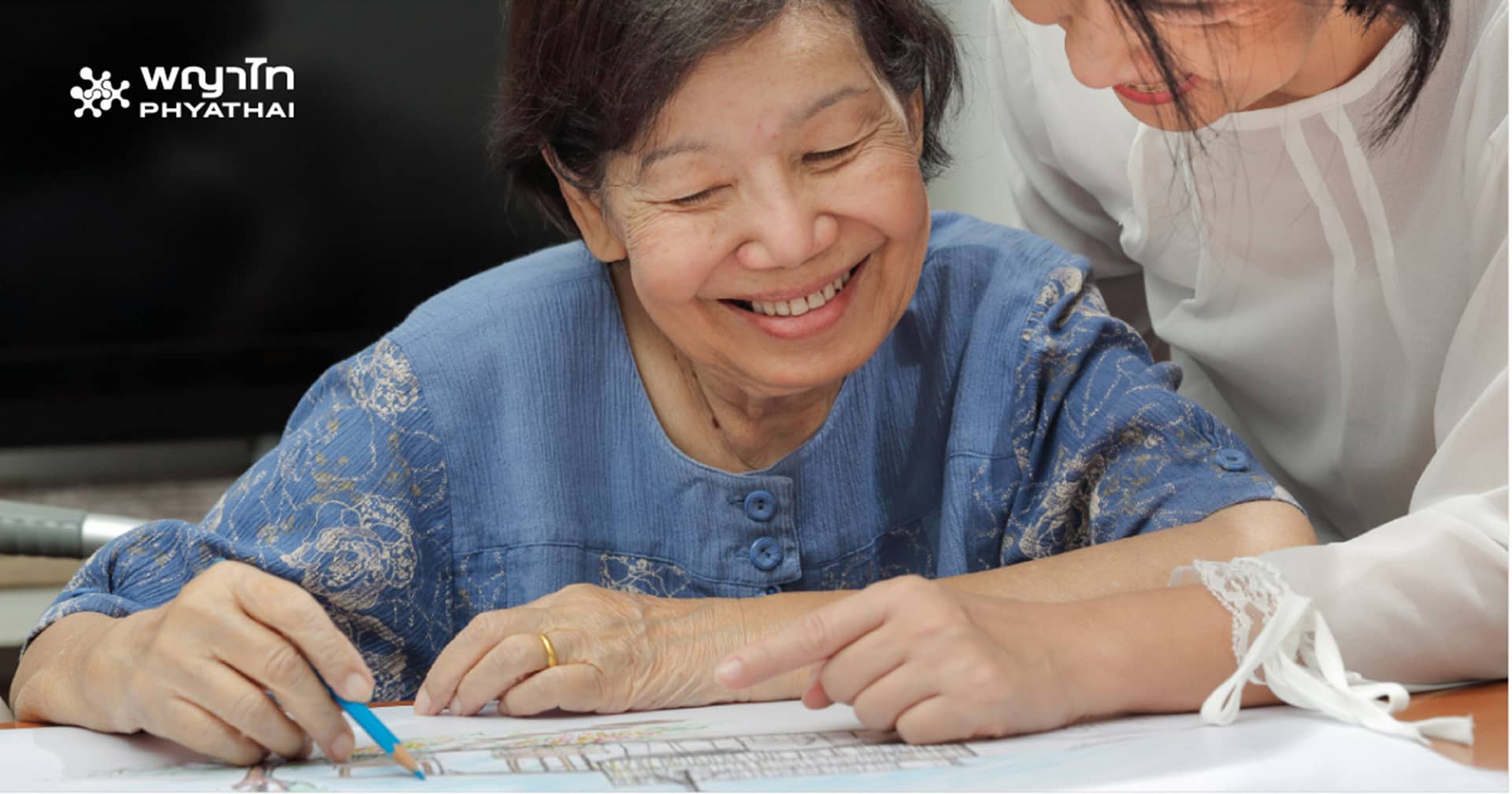
“Art” is not just a creative activity for relaxation or enjoyment; it can also be used to address mental health issues, reduce the risk of depression, and effectively train the brain, especially in elderly individuals.
Encouraging elderly individuals to engage in activities such as drawing and coloring can help them forget stress and worries immediately upon engaging in these activities. Additionally, it promotes relaxation, enhances concentration, stimulates creativity, and can delay the onset of Alzheimer’s disease in elderly individuals.
Coloring is brain training, a lengthy exercise for the elderly. Drawing beautiful pictures in color has additional benefits. The elderly should not experience Alzheimer’s disease. Engaging in creative activities, such as drawing and coloring, can be a part of a balanced life (Work-Life Balance) for the elderly.
When is a good time for them to engage in coloring activities ?
Art and the elderly can go hand in hand. Coloring is akin to achieving a work-life balance and can be started immediately. Additionally, art, particularly coloring, is suitable for people of all ages and genders. Generally, the cognitive abilities of the elderly remain high, even as their memory declines. Elderly individuals can stimulate their brains through various activities. The best approach is to work. If they cannot work for income, they can volunteer. Next, they can engage in hobbies like embroidery and gardening.
Benefits of coloring for the elderly
- Reducing stress, reducing agitation and anxiety, improving concentration at work
- Promoting creativity, enabling independent decision-making
- Fostering self-esteem through creative outputs
- Training the nervous system and brain for analysis and memory
Providing an outlet for emotional expression in patients with mental health issues such as anxiety, depression, and dementia.
