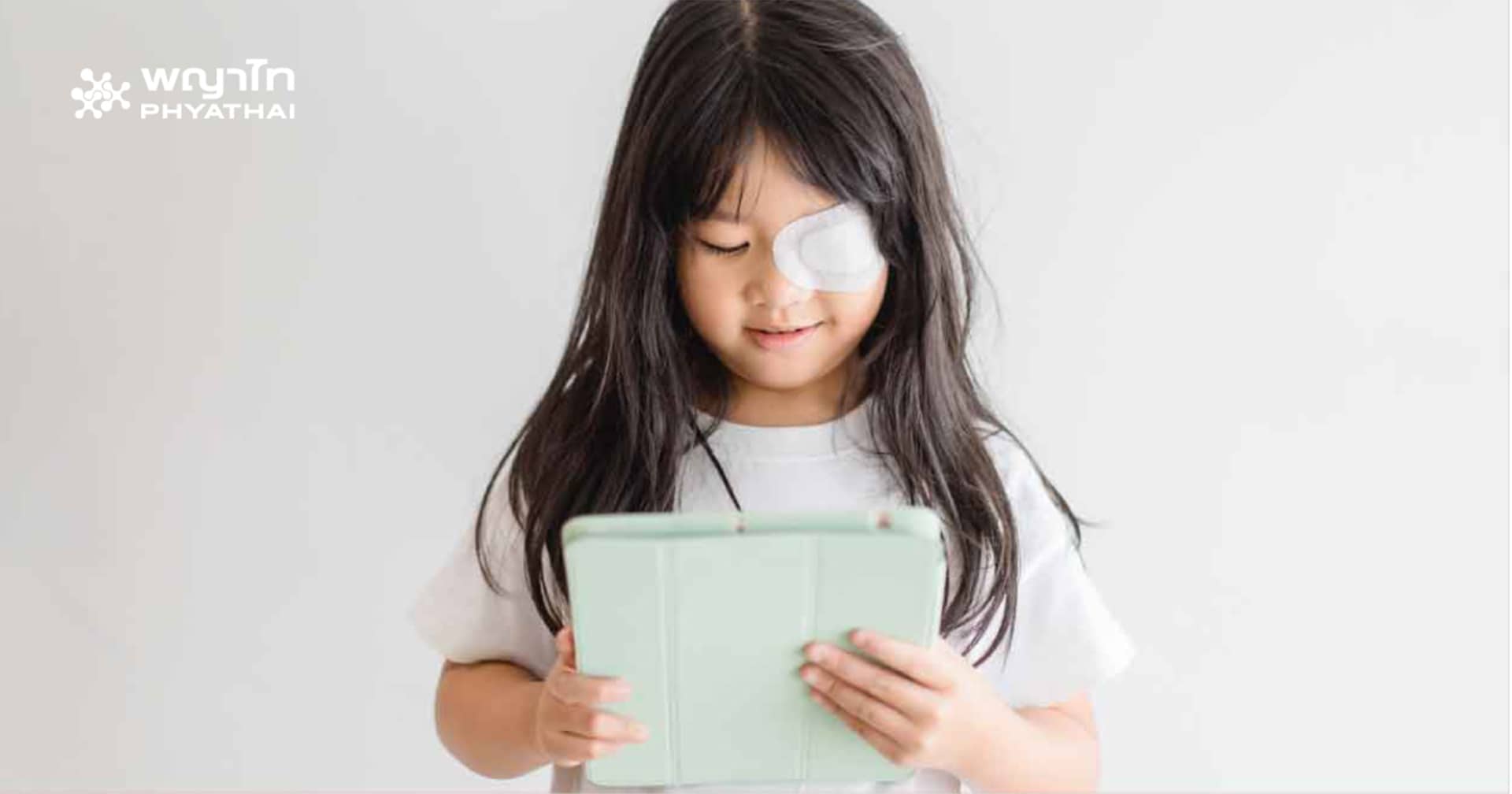
Generally, people have a standard level of visual acuity based on their age. Lazy eye, or amblyopia, causes a decrease in visual perception due to inadequate communication between the eye and the brain. This often happens when one eye sends a clearer image than the other, leading the brain to ignore the input from the weaker eye. Conditions like strabismus (crossed eyes), eye diseases, or uncorrected vision problems can result in relying on one eye, which hinders the normal development of the visual pathways in the brain. Amblyopia is most commonly found in children, as adults typically have fully developed visual systems, although it can also occur in some adults who had undetected issues in childhood.
Recognizing lazy eye symptoms
Although lazy eye develops in childhood, it can be prevented and treated effectively if addressed before the age of 8 to 9. Parents or guardians should monitor for the following signs in their children:
- Shiny or glazed appearance of the eyes
- By 3 months, not focusing on faces
- At 6 months, not following moving objects with their eyes
- At 2 years, only able to see close objects or frequently bumping into things
If you notice any of these abnormal symptoms, it’s crucial to see a doctor immediately. If left untreated or if treatment starts after age 9, the chances of effective correction diminish, potentially resulting in lifelong vision problems.
Primary causes of lazy eye
Strabismus is the most common cause of lazy eye. Children with strabismus tend to use only their straight eye for seeing, neglecting the crossed eye, which leads to reduced vision in that eye. The most effective treatment for lazy eye due to strabismus involves patching the stronger eye to encourage use of the weaker eye. In mild cases, eye drops can be used to blur vision in the stronger eye, prompting the child to rely on the lazy eye. Consistent use of the affected eye can gradually improve its function, and once vision normalizes, surgery may be performed to align the eyes, allowing both to work together. Treatment is generally more successful in younger children and can take less time than in older ones.
Lazy eye can also result from other issues, such as refractive errors (nearsightedness, farsightedness, astigmatism), where a child may avoid using the weaker eye due to poor vision. This can be corrected with appropriate glasses. Additionally, congenital eye conditions or those developed during childhood that impair vision can lead to amblyopia. If these conditions are treated effectively, vision can improve.
Urgent treatment to prevent vision loss
Lazy eye can be treated using the 4C principles:
- Correct cause: Address the underlying issue causing amblyopia.
- Correct refractive error: Use properly prescribed glasses.
- Correct dominance: Reduce the functioning of the stronger eye to stimulate the weaker one through:
- Patching the strong eye
- Using drops to blur vision in the strong eye
- Altering the strong eye’s glasses to make it less clear
- Playing video games that require both eyes to work together
- Correct strabismus: After treating amblyopia, address any remaining strabismus. Some cases may be managed with prism glasses instead of surgery.
Lazy eye in children can be prevented and detected early. Parents should take their children for a comprehensive eye exam with an ophthalmologist, ideally between ages 3 to 5, even if no abnormalities are suspected. Early detection and treatment are vital to ensure that children can develop clear vision and avoid visual impairment. At Phyahai Phaholyothin Hospital , specialized pediatric ophthalmologists are available to address all eye issues in children, helping ensure their precious eyesight is safeguarded from early on.
