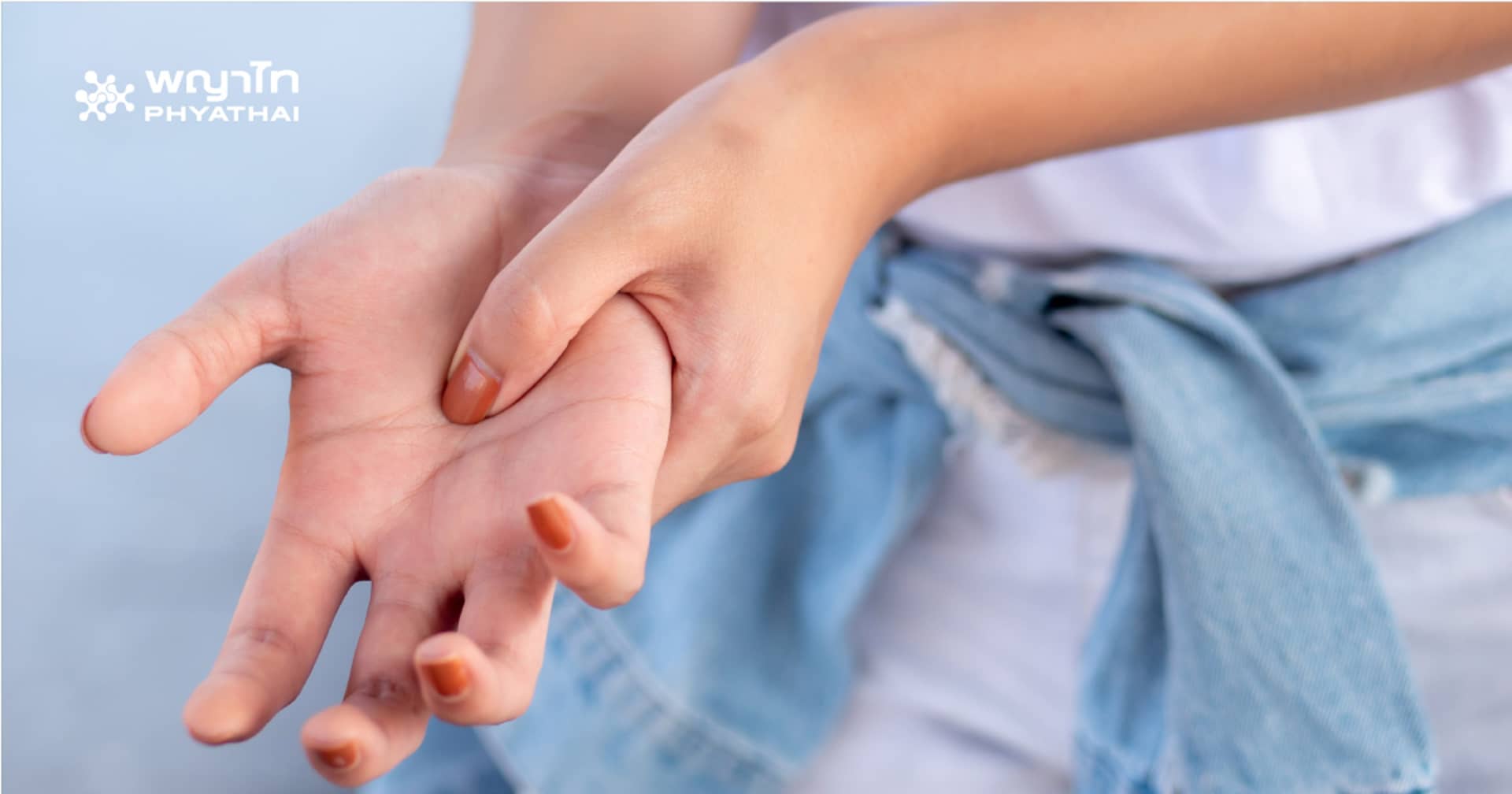
Conditions can develop due to a sedentary lifestyle that involves extensive keyboard use and prolonged engagement with digital devices for work or leisure activities, such as playing games on Facebook, using mobile phones, iPads, and iPhones for extended periods. These factors can contribute to the occurrence of finger locking.
Finger locking is a condition characterized by inflammation in the ligament sheath around the base of the finger, resulting in increased thickness and tightness of the ligaments. This inflammation and swelling hinder the smooth movement of the affected finger, leading to discomfort, abrasion, and pain. Finger locking typically occurs in the thumb, ring finger, middle finger, index finger, and less frequently in the little finger. The condition is often triggered by repetitive and strenuous hand activities, such as gripping, squeezing, lifting heavy objects, or engaging in activities that create friction and strain on the tendons.
Finger locking can affect individuals of all genders and age groups but is more commonly found in women, particularly those in middle age and older. It is prevalent among individuals with physically demanding occupations, such as data entry professionals, cooks, and homemakers engaged in strenuous household chores. Symptoms of locked fingers vary depending on the severity of the condition and may include pain in the palm, audible sounds when attempting to bend or extend the finger, inability to fully bend or extend the affected finger, and can be categorized into four distinct phases.
Stage 1: Pain at the base of the fingers on the palm side, without any apparent locking.
Stage 2: Increased pain compared to Stage 1, accompanied by initial difficulties in finger movement.
Stage 3: Finger locking when bent, requiring assistance from the other hand to extend it or unable to fully straighten the finger.
Stage 4: Severe inflammation, with the bent finger remaining stuck and unable to straighten, as attempting to stretch it causes significant discomfort and pain.
Treatment can be divided into two primary methods.
Non-surgical treatments encompass a range of options, such as providing rest for the affected fingers, administering anti-inflammatory and pain-relieving medications, undertaking physical therapy focused on the affected tendons, applying hot compresses, gentle massaging, and warm water baths. Additionally, finger exercises involving the use of a rubber band for resistance can be beneficial. In some cases, steroid injections may be recommended to alleviate inflammation. However, surgical intervention may be necessary to improve the movement of the ligaments when conservative treatments prove ineffective.
Surgical intervention becomes a viable option in cases where severe symptoms significantly disrupt daily life or when non-surgical treatments fail to produce desired results. Surgery aims to prevent recurrence by surgically releasing the thickened tendon sheath, allowing the tendon to move freely without becoming locked.
Protection
When engaged in continuous manual work, it’s essential to take periodic breaks and avoid prolonged, forceful exertion.
Refrain from lifting excessively heavy objects.
If your fingers feel stiff or stuck due to work-related activities, consider soaking them in warm water to improve flexibility and ease of movement.
