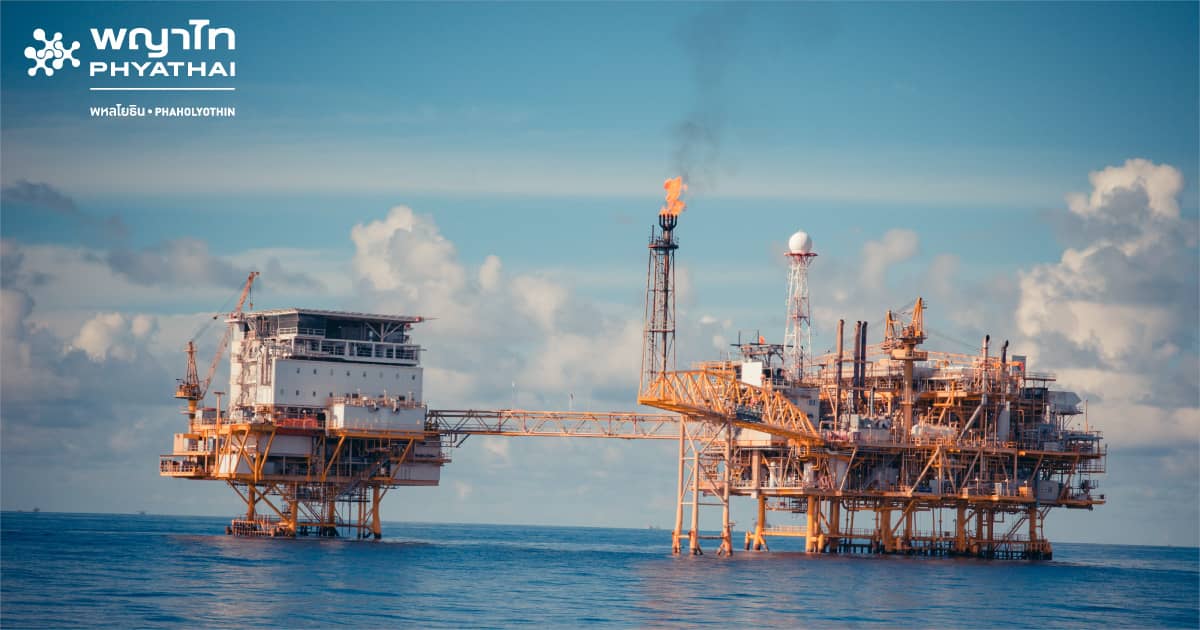
Currently, healthcare for personnel in organizations is not limited to just sick leave or medical benefits, but also includes creating fundamental factors that promote health and safety in the workplace. This is especially true in high-risk industries such as shipping, transportation, and petrochemicals, which require precision from both physical and mental readiness. Even a small mistake or accident can have severe consequences on life, property, and the organization’s image. Occupational health care in these industries is therefore a worthwhile investment, as it is a crucial foundation for true business stability and sustainability.
Why is specialized health screening important in high-risk industries?
‘Specialized health screening’ in terms of occupational health plays a vital role in caring for personnel in high-risk professions or those working in specific environments. General health screenings may not cover health issues that often carry higher risks, such as:
-
Shipping Industry
Facing uncertain environments such as sea waves, ship instability, confined spaces, and rapidly changing weather conditions can cause various health problems. For example, vibration and physical instability affect the musculoskeletal system, causing dizziness, nausea, or injuries from falls. Additionally, loud noises from engines or machinery increase the risk of hearing loss. Working under high pressure, infrequent returns home, and the need for continuous precision and safety caution can lead to stress, insomnia, accumulated mental health issues, and physical and mental fatigue.
-
Transportation Industry (Logistics)
Employees who drive long-distance trucks face fatigue, noise, vibration, and stress from traffic conditions, which may lead to muscle problems, hearing loss, and mental health issues. Warehouse workers who lift heavy loads, perform repetitive tasks, and are exposed to dust or chemicals may experience back pain, shoulder pain, muscle inflammation, and respiratory diseases. Additionally, shift work or frequent travel can cause insufficient rest, leading to stress and sleep problems that affect work performance and overall safety.
-
Petrochemical and Energy Industry
Working in high-risk environments involving exposure to hazardous chemicals such as gases and oil can affect the respiratory system, skin, and nervous system. Abnormal working conditions such as high temperatures, loud noises from large machinery, or confined spaces with risks of pressure hazards or oxygen deficiency also pose dangers. There is also a risk of severe accidents such as fires, explosions, or hazardous substance leaks, which can significantly impact employees’ lives and organizational property. Strict preventive measures and safety systems are therefore essential.
Specialized Health Screening (Risk-Based Health Check-up) for High-Risk Industries
In high-risk industries such as shipping, transportation (logistics), energy, and petrochemicals, employees face environments and job characteristics that pose health risks. General annual health screenings may not be sufficient to detect risks directly related to specific job roles. Therefore, specialized health screenings (Risk-Based Health Check-up) designed to align with job characteristics and risks of each group are necessary to identify, prevent, and manage health issues precisely, such as:
- Hearing ability test (Audiogram) for employees working in noisy environments, such as engine room crew or factory workers with loud machinery, to prevent future hearing loss.
- Vision and color blindness test (Ishihara Test) for vehicle drivers and those requiring precise vision, such as ship captains and drivers, to assess color differentiation ability necessary for accurate signal or warning sign recognition.
- Visual field test (CTVF) to evaluate peripheral vision and the ability to see surroundings for drivers or machinery operators.
- Lung function test (Spirometry) for those exposed to dust, smoke, or chemicals, such as warehouse workers and petrochemical factory employees, to assess respiratory system function and prevent chronic lung diseases.
- Chest X-ray (Chest X-ray) to evaluate lung health and detect lung diseases that may result from exposure to toxins or dust particles.
- Electrocardiogram (ECG) for those at risk of heart disease or with abnormal symptoms, to assess heart condition and work readiness.
- Musculoskeletal system examination to assess pain or abnormalities from heavy lifting, repetitive postures, or long hours of driving, such as truck drivers or crew working in unstable environments.
- Blood and urine tests for toxins and chemical residues for employees directly exposed to chemicals in the petrochemical and energy industries, to assess accumulated toxins in the body.
- Mental health assessment to diagnose stress, depression, or emotional problems caused by high pressure and working away from family, such as seafarers and transport workers.
- Dental examination (Dental Examination) to prevent oral health problems that may affect overall health, especially for those working far from medical facilities.
- Additional specialized disease screenings based on job characteristics such as epilepsy, diabetes, infectious diseases, which are contraindications for certain types of work.
Walk Through Survey One of the hospital’s roles in promoting occupational health in organizations
Phyathai Phaholyothin Hospital understands the occupational health challenges in specialized high-risk business sectors. We are ready to be a strong partner in caring for organizational personnel health to enable stable and sustainable business operations with comprehensive services as follows:
- Onsite Service & Walk Through Survey by a team of doctors and occupational health specialists who will conduct onsite assessments at the workplace through a “Walk Through Survey,” inspecting the work area, job characteristics, and employee work behavior to evaluate the actual environment. This includes assessing noise levels, presence of dust or hazardous chemicals, or any areas at risk of accidents to identify potential health and safety risk factors. Initial recommendations for prevention and environmental improvements, as well as employee work practices, will be provided.
- Designing health screening programs tailored to the organization by analyzing survey data and organizational concerns in detail to design and improve employee health screening programs that are appropriate and specific to the risks and job characteristics of personnel in each department. For example, if employees work with chemicals, the screening will focus on lung and liver tests to ensure targeted, effective, and cost-efficient health screenings.
Benefits organizations gain from targeted occupational health care
Targeted occupational health care for employees benefits organizations in many ways, such as:
- Reducing health risks, preventing work-related illnesses, and decreasing accidents, which lowers medical expenses and employee sick leave.
- Healthy employees are physically and mentally ready to work at full potential, resulting in high-quality and efficient performance.
- When employees feel the organization cares about their health and safety, they develop loyalty and motivation, helping retain good employees longer.
- Gaining trust from the public and attracting talented individuals to join the organization.
Investing in employee health and safety is one of the smartest investments because a good occupational health system not only reduces work risks but also strengthens the organization for sustainable growth and readiness to face any challenges. Phyathai Phaholyothin Hospital is ready to be a partner in elevating organizational quality by providing occupational health care tailored to the specific job characteristics of each business through on-site visits (Walk Through Survey) to accurately survey and assess problems. Simply contact us for initial consultation, which is the starting point for valuing the organization’s most valuable resource: “your personnel.”
Dr. Chaichat Netsawang
Physician, Health Screening Center
Phyathai Phaholyothin Hospital
