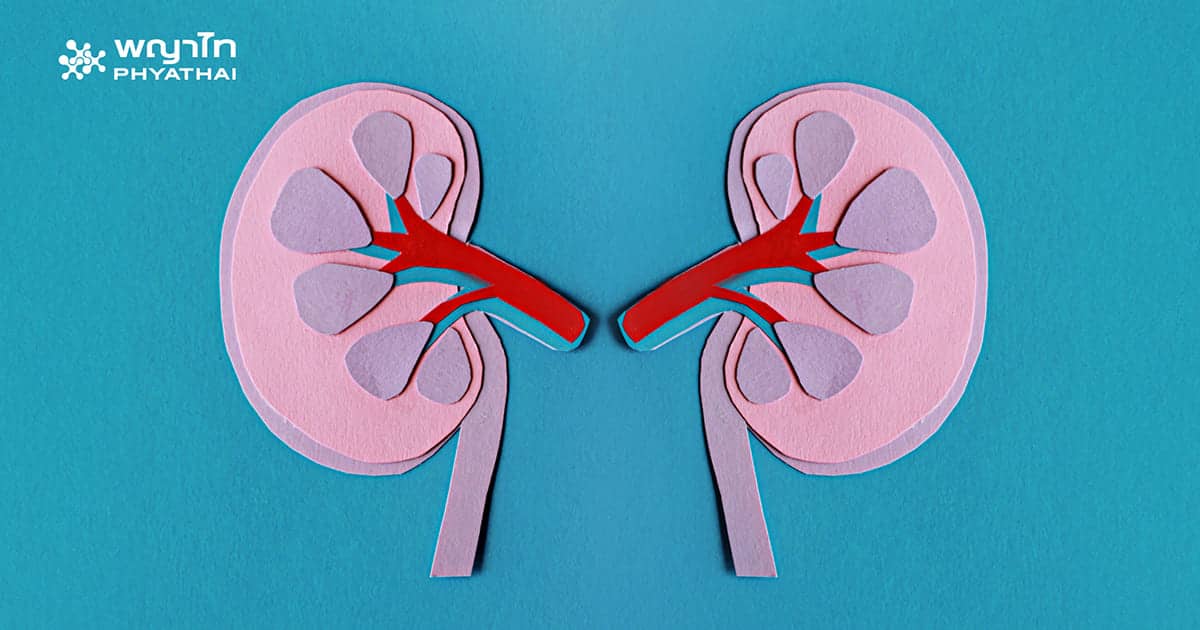
How many people know that “kidney disease” has more than one type, and each type has different causes, treatments, and chances for the kidneys to return to normal function? Today, Dr. San Trivitayapoom, Internal Medicine Specialist (Nephrology Subspecialist), Department of Internal Medicine, Phyathai 3 Hospital, will talk about “acute kidney failure”, which we can prevent and reduce the risk of by avoiding risk factors that cause the disease.
These are the causes, the origins of acute kidney failure
Acute kidney failure occurs due to abnormal kidney function over a short period that happens unexpectedly. However, most cases can be treated to restore the kidneys to normal. Dr. San says the causes of the abnormalities are as follows:
- Decreased body fluid volume, such as severe dehydration from diarrhea, severe blood loss from heavy bleeding in the stomach, or vomiting large amounts of blood. In cases where body fluid decreases for a long time without proper and timely treatment, blood pressure drops, resulting in reduced blood flow to the kidneys, causing kidney tissue death and eventually acute kidney failure.
- Direct kidney problems, such as kidney inflammation caused by drug allergies, including anti-inflammatory drugs and antibiotics taken for a long time. The allergic reaction manifests in the kidneys, causing kidney inflammation or acute kidney failure. If significant kidney inflammation is found, it will affect kidney function.
- Urinary tract obstruction and swelling of both kidneys
- Bloodstream infection
How is acute kidney failure diagnosed?
When abnormalities are found, identifying the cause is the best answer. Dr. San says acute kidney failure can be diagnosed by simple methods, depending on the doctor’s discretion, as follows:
- Blood tests to assess kidney function rate
- Blood tests to evaluate complications of kidney disease
- Urine tests
- Ultrasound examination
- X-ray examination
These symptoms require immediate medical attention
Dr. San says the adverse effects of acute kidney failure are similar to chronic kidney failure but occur more rapidly. If urine output is low, it may cause pulmonary edema. If electrolyte imbalances such as high potassium or acidosis occur, it can lead to severe acute kidney failure.
Signs that you may be experiencing acute kidney failure include severe illness, abnormally reduced urine output, fatigue, and abnormal breathing. If you experience these symptoms, you should see a doctor immediately.
How to treat to restore normal kidney function?
Doctors focus on treating the root cause of the disease along with managing symptoms caused by kidney abnormalities. For example, in cases of high potassium or acidosis, doctors may consider medication. If the body does not respond to medication, dialysis may be considered to support kidney function and allow recovery. In most cases, when the body is strong, the kidneys can recover to normal function, and dialysis treatment can be stopped. Only a small portion of patients have kidneys that cannot recover and require lifelong dialysis.
Stay away from kidney disease by taking good care of yourself
Self-care tips for people whose kidneys are still normal and who do not have chronic diseases include:
- Drink enough water, 6-8 glasses per day
- Exercise regularly
- Avoid chemicals, drugs, herbal medicines, and supplements unless taken under medical supervision
- Maintain a healthy weight
- Control blood sugar, blood pressure, and blood lipids within normal ranges
Just these steps will help you stay away from kidney problems.
