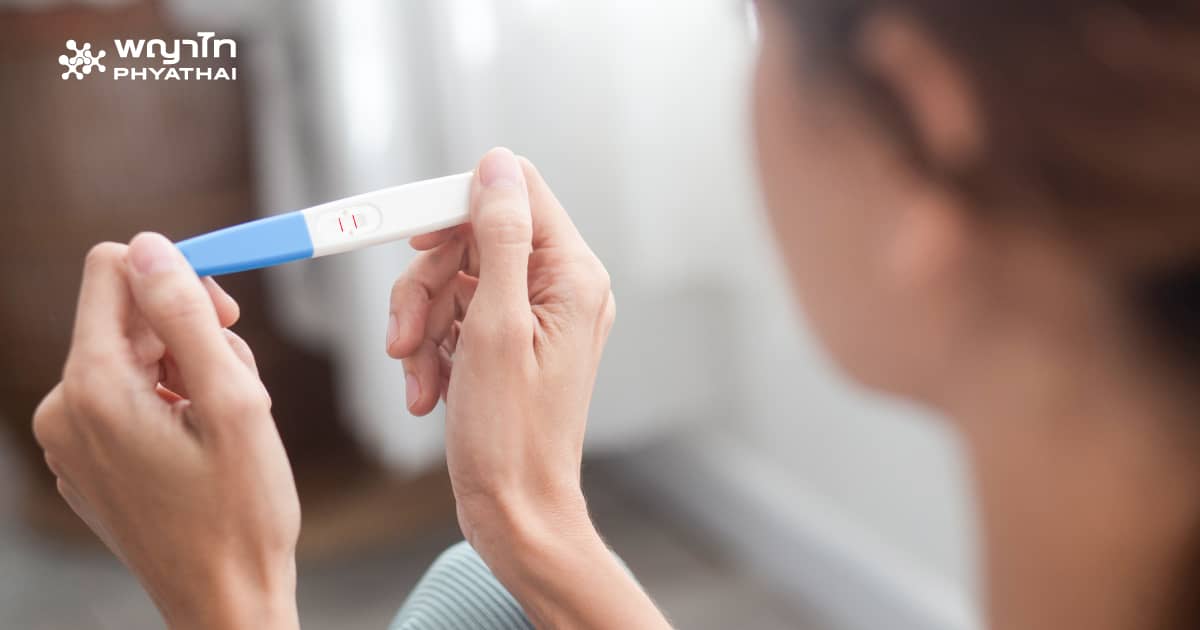
For couples who want to have children naturally, tracking ovulation days can increase the chances of conception. The ovulation period, also known as the “ovulation cycle”, is the best time to have intercourse for the highest chance of pregnancy. But how do you count ovulation days and when should you be intimate? Let’s find out…
Understanding “Ovulation Day”
Ovulation, also called egg release, is a natural mechanism in the female reproductive system that occurs every month. It takes about 28-35 days per cycle, starting from the first day of menstruation. Ovulation day is when the most mature egg is released from the ovary to the end of the fallopian tube.
Understanding the Ovulation Cycle
Pregnancy usually occurs when the female egg is fertilized during ovulation. There is only one ovulation per month, and the egg is ready for fertilization for only 12-24 hours each month. If fertilization or intercourse happens during this time, the egg will implant into the uterine lining and develop into an embryo, resulting in pregnancy. If fertilization does not occur, menstruation will begin about 14 days later.
How to Accurately Count Ovulation Days!
Ovulation days are counted approximately 2 weeks before the next menstrual cycle begins. Accurate ovulation calculation only works for women with regular menstrual cycles. For example, if the cycle is consistently 28 days, ovulation occurs between days 14-17 of the cycle (counting the first day of menstruation as day 1). Once you know the ovulation day, intercourse can be planned about 2 days before ovulation, starting from day 12 of the cycle, because sperm can survive and wait to fertilize the egg for about 2 days before ovulation.
How to Know When It’s Ovulation Time
Observing ovulation symptoms is not difficult. Some women feel pain in the lower abdomen or pelvic area, either on the left or right side, depending on which ovary is releasing the egg that month, alternating sides each cycle. Other symptoms include breast tenderness, leg weakness, and sometimes slight vaginal bleeding for 1-2 days. If you insert a finger into the vagina, you may feel thick, slippery, and sticky fluid similar to raw egg whites or jelly.
Did You Know? Frequent Intercourse Can Reduce Sperm Count
Many people mistakenly believe that having intercourse every day increases the chances of conception. In fact, daily intercourse does not increase pregnancy chances because sperm count decreases with frequent ejaculation. It is recommended to have intercourse every other day “during ovulation” for better results.
Ovulation Counting Doesn’t Work for Everyone
For those with irregular menstrual cycles, ovulation counting may not be effective due to monthly variations. It is recommended to consult a doctor because the timing of menstruation can be affected by many factors.
‘Internal Examination’ – Another Important Step to Achieve Pregnancy
It’s not only when you want to have a child that you should have an internal examination. Every woman should have regular internal exams just like routine health check-ups. An internal exam checks for abnormalities in the reproductive system, including the vagina, uterus, and ovaries. Sometimes, difficulties in conceiving are caused by internal issues such as uterine fibroids or endometriosis. The earlier these abnormalities are detected, the better the chances for treatment and preparation for pregnancy. In fact, internal exams can be done from a young age, even in the early 20s. Another important aspect is cervical cancer screening to reduce the risk of developing serious diseases that could hinder your ability to have children in the future.
