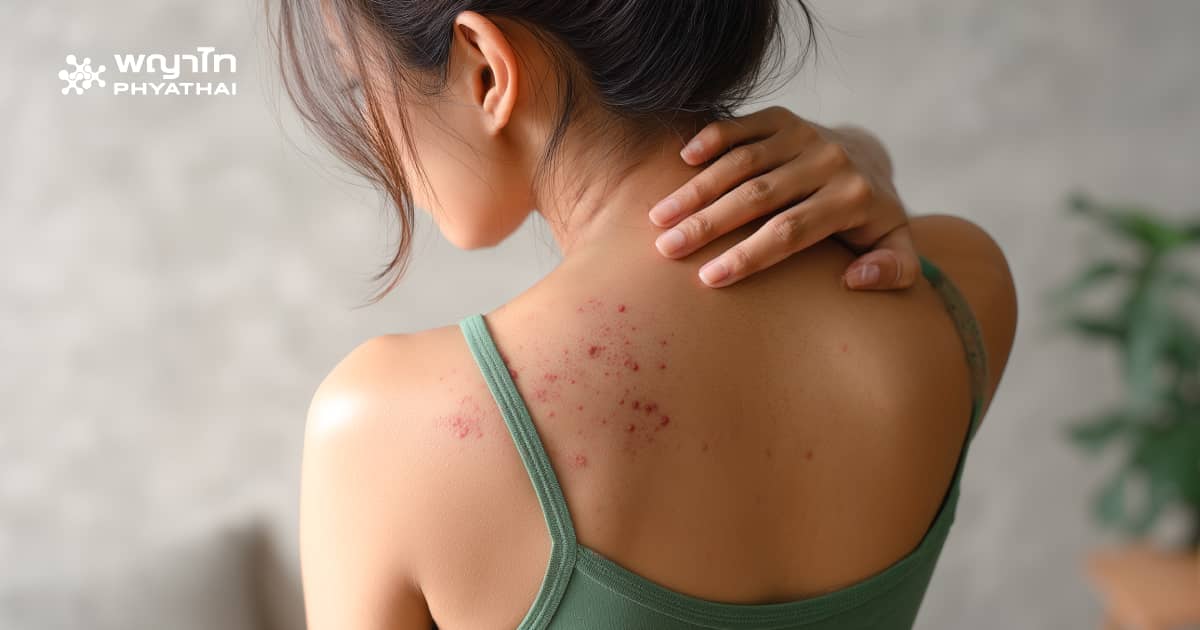
“Shingles” is a disease that most people have heard of, but many may not know that it can be dangerous enough to cause death. In severe cases, it can lead to pneumonia, lung infections, hearing problems, blindness, or brain infections, depending on the location and spread of the virus. For this reason, we should not only be familiar with the name of shingles but also understand the disease more thoroughly to protect ourselves and our loved ones.
What is shingles and who is most at risk?
“Shingles” is a type of skin disease caused by infection with the “varicella-zoster” virus, which is the same virus that causes chickenpox. Anyone who has had chickenpox has a chance of developing shingles in the future because the virus remains dormant in the body. Shingles can occur in people of all ages and genders but is most commonly found in the elderly due to their weakened immune systems. The age group most frequently affected is from 50 to 85 years old.
How to recognize symptoms to know if it is shingles?
Shingles is a disease with quite clear symptoms. Patients will develop a skin rash accompanied by pain, burning, and stinging sensations, often with blisters. The shingles rash usually appears on one side of the body, such as the waist, neck to shoulder, around the eyes, upper face, or under the breast. Some may also experience headaches, chills, and stomach upset. In severe cases, it can cause hearing loss, blindness, brain infections, pneumonia, lung infections, and even death. Therefore, if you notice a painful, burning rash on one side of your body, you should consult a doctor immediately as it is highly likely to be shingles.
Shingles vaccine: effective prevention for greater safety
Although shingles can be treated with medication, prevention is key. Besides maintaining good health and a strong immune system, “vaccination” is the best option. The shingles vaccine helps reduce the risk of developing the disease, lowers the chance of recurrence, and significantly decreases the risk of severe complications from shingles. However, the vaccine does not provide 100% protection. Even after vaccination, there is still a chance of getting shingles, but the risk is lower, and if it occurs, the symptoms are milder with fewer complications. The vaccine stimulates immunity for about 5 years and reduces the risk of disease by up to 51%. This is especially beneficial for the elderly, as the more complications they have, the higher the risk to their life.
Side effects of the shingles vaccine: are there any restrictions on who should not get it?
Those recommended to receive the shingles vaccine are people over 60 years old, whether they have had shingles before or not. The vaccine may cause side effects such as swelling, redness, and itching at the injection site, headache, dizziness, or fainting. These side effects are generally not severe or dangerous and usually resolve on their own. However, not everyone can receive the shingles vaccine because it is a live vaccine. It is contraindicated for those allergic to any vaccine components, immunocompromised individuals such as those on immunosuppressive drugs, cancer patients undergoing chemotherapy, and others.
Shingles is a disease in the elderly that causes pain, suffering, and potentially life-threatening complications. It can recur and can be transmitted to close family members through contact. Therefore, to keep the elderly in our homes safe from shingles and to reduce the risk of infection for everyone, vaccination is the best solution. This is especially important for elderly people with chronic diseases such as lung disease, diabetes, heart disease, or kidney disease, as they are at higher risk of severe complications and life-threatening outcomes if they contract shingles.
Dr. Supitcha Ongkittikul
Internal Medicine, Infectious Disease Subspecialty
Infectious Disease Clinic Physician
Tel. 02-467-1111 ext. 3185-3186, 3133