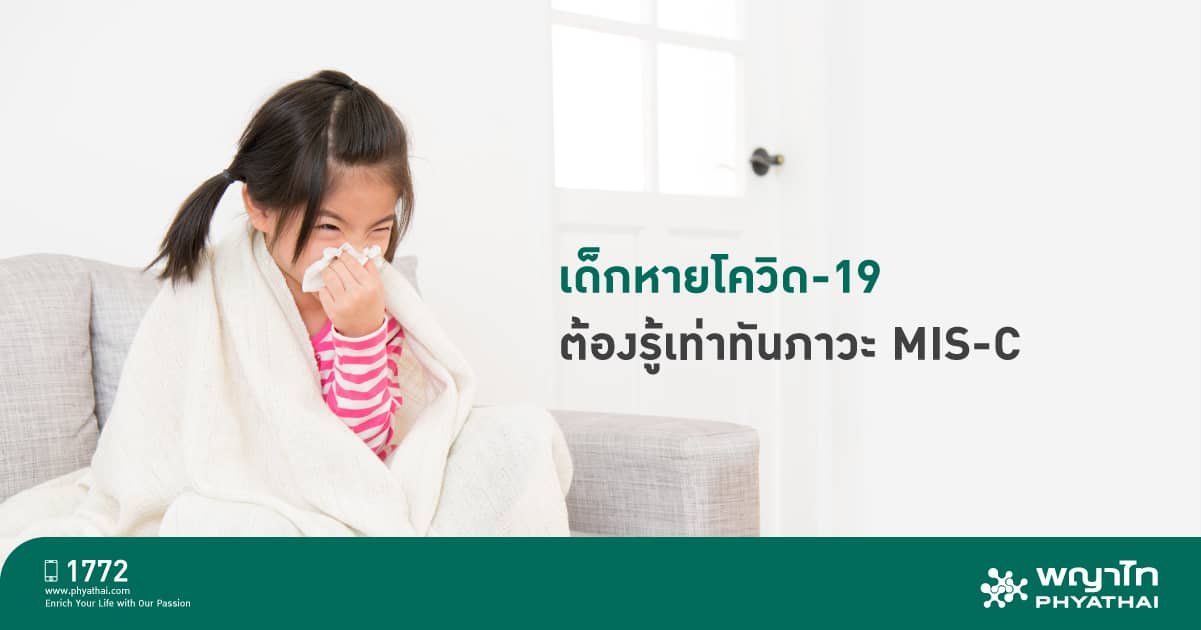
From the expanding outbreak of the COVID-19 virus, not only has the number of infected adults increased, but the number of infected “children” has also risen significantly. However, for children who have recovered from COVID-19, parents should not be complacent and should closely monitor their symptoms because children may develop complications known as “MIS-C”.
Understanding “MIS-C”
MIS-C stands for Multisystem Inflammatory Syndrome in Children, which is a condition involving inflammation of multiple organ systems in the body simultaneously, especially symptoms in the heart, lungs, liver, kidneys, brain, skin, eyes, respiratory system, and digestive system. This occurs due to an excessive immune response to the COVID-19 virus.
Let’s see… what symptoms? Are called “MIS-C”
Children with MIS-C develop symptoms about 2-6 weeks after recovering from COVID-19 infection. These symptoms may resemble those of other illnesses, causing many to be unaware that it is MIS-C.
Symptoms found… in “MIS-C”
- High fever over 38 degrees Celsius lasting more than 24 hours
- Red eyes
- Rash on the body
- Abdominal pain, vomiting, diarrhea
- Shortness of breath
Some pediatric patients may experience shock caused by inflammation of the heart or coronary arteries. If severe, it can be fatal.
Treatment of “MIS-C”
Currently, there is no specific treatment for MIS-C, but it can be managed by administering immunoglobulin and immunosuppressive drugs. Pediatricians focus on supportive care and treating abnormal symptoms in various systems.
MIS-C is a newly emerging disease mostly found in children. Therefore, parents should closely watch and observe their children’s symptoms after recovering from COVID-19. If suspicious symptoms or signs of MIS-C appear, they should promptly see a doctor. Early diagnosis and proper treatment can reduce severity and mortality rates.
“MIS-C will not be worrisome if we are aware… and well-informed.”
Dr. Pornnapa Saetang
Pediatric Specialist
Child and Adolescent Health Center, Phyathai Nawamin Hospital
