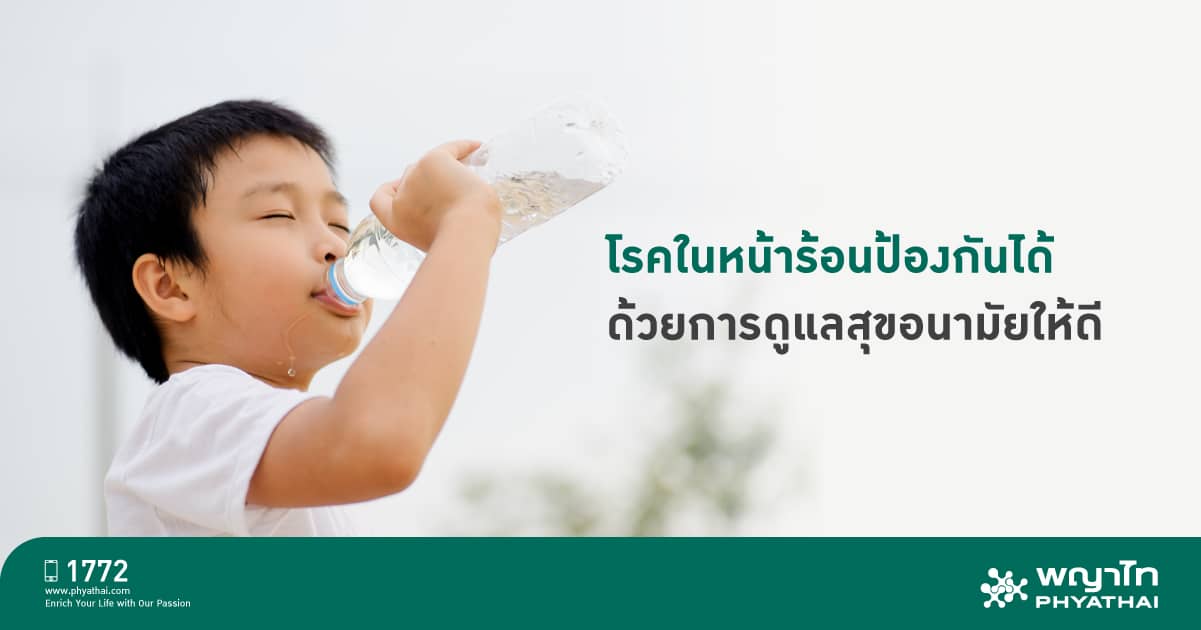
During the summer when the temperature in our country keeps rising, everyone needs to take good care of their health because very hot weather often brings certain illnesses unexpectedly. Especially for children, parents need to be extra cautious because the hotter the weather, the easier food or snacks can spoil or go bad. Combined with the body’s fatigue from sweating, if children are not strong enough, they can get sick more easily.
4 Common Diseases in Children… During Summer
The body’s fatigue from rising temperatures may cause children with already weak immunity to get sick more easily. The common diseases found during summer include:
Diarrhea and Food Poisoning
Higher temperatures cause germs to grow faster, both viruses and bacteria, making food spoil easily. Unclean food and drinks are causes that make children prone to diarrhea and food poisoning.
- Symptoms : Cramping abdominal pain, nausea, vomiting, diarrhea more than 3 times a day. In severe cases, diarrhea may contain mucus and blood. If caused by bacteria, antibiotics are needed, so it is important to see a doctor promptly for diagnosis.
- Care: Drink oral rehydration solutions to compensate for dehydration and electrolyte loss. Treat symptoms such as anti-nausea and abdominal pain medication, but do not take anti-diarrheal drugs because diarrhea helps expel toxins from the digestive system. If symptoms do not improve within one day, take the child to see a doctor for proper treatment immediately.
- Prevention: Maintain hygiene in food consumption. Choose freshly cooked food and clean drinks. Also maintain other hygiene practices such as frequent hand washing, especially before eating and after using the bathroom, and keep children’s belongings clean at all times.
Heatstroke (Heat Stroke)
When the surrounding temperature rises, the body temperature also increases, sometimes reaching 40 degrees Celsius or higher, which can cause heatstroke.
- Symptoms: Rapid pulse, headache, nausea, vomiting, red rash on the body, possible confusion, restlessness, delirium, seizures, or loss of consciousness.
- Care: Immediately take the child to a shaded, well-ventilated area. Remove tight clothing and loosen garments. Have the child lie on their back and wipe the body to help lower body temperature quickly.
- Prevention: On very hot days, dress children in light, breathable clothing, encourage frequent drinking of water, and try to stay in well-ventilated areas.
Heat Rash
“Sweat” that the body produces to help dissipate heat is a major cause of skin diseases. A common disease in children is “heat rash”, caused by blocked sweat glands.
- Symptoms: Itching, small red bumps appearing all over the body, especially on the face, neck folds, chest, back, and thighs.
- Care: Keep the affected area cool and dry. This condition usually resolves on its own within 2-3 days, but if the rash and other symptoms worsen, a doctor may prescribe medication to treat the symptoms.
- Prevention: Prevent by wearing light, comfortable clothing. Avoid letting the skin become damp from sweat. Avoid applying creams or lotions containing petroleum jelly as they can block pores.
Influenza (Flu)
Influenza is a contagious respiratory disease caused by a virus. It occurs year-round and affects both children and adults. However, in children under 5 years old or the elderly, symptoms tend to be more severe and complications are more likely.
- Symptoms: Starts with chills, headache, severe body aches, and eye pain. High fever of 39-40 degrees Celsius, cough with phlegm, usually little nasal discharge. Severe cases may develop secondary pneumonia.
- Care:
- Children under 5 years old, the elderly, and those with chronic diseases such as heart disease or asthma are at higher risk of severe illness and may be given antiviral medication.
- Older children and adults usually recover on their own. If symptoms are mild, care at home or symptomatic treatment such as cooling the body, taking fever reducers, drinking plenty of fluids, and resting is sufficient. If symptoms worsen, see a doctor as complications may occur.
- Prevention: Since influenza spreads easily through coughing, sneezing, contact with patients’ saliva or nasal secretions, and crowded, poorly ventilated places, children under 5 and the elderly should receive an annual flu vaccine once a year for prevention.
The various diseases that parade in during summer make parents even more cautious in taking care of their children’s health to protect them from getting sick. …Don’t let children’s happiness be interrupted by “summer diseases”…
Dr. Pornnapa Saetang
Pediatric Specialist
Child and Adolescent Health Center, Phyathai Nawamin Hospital
