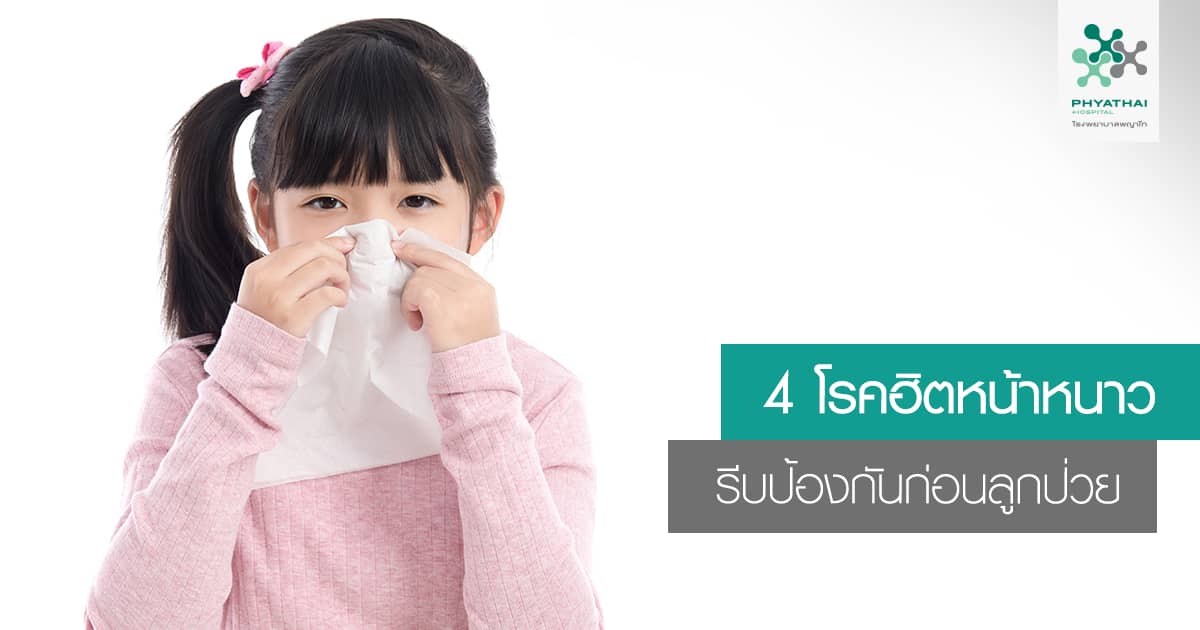
When winter arrives, the weather becomes slightly cooler with changes in the atmosphere, causing our bodies to adjust their temperature to cope with the external environment. Such weather conditions also make the body more susceptible to illnesses, especially in young children whose bodies are not yet fully adapted. Here are 4 diseases that parents should be cautious of during the winter season.
Common Cold
This disease is caused by viruses, commonly found in the respiratory system. The most frequent virus is the rhinovirus, and the illness usually lasts about 3-7 days. Common symptoms include high fever for 1-2 days, nasal congestion, runny nose, cough, sneezing, headache, etc. Treatment is symptomatic since the common cold is usually not severe. If the child is young, they can still breastfeed or eat normally, and symptoms will gradually improve.
Prevention Avoid crowded places such as shopping malls or markets, get enough rest, and drink plenty of water. Avoid frequently moving between air-conditioned rooms and the outside air, as the body may not adjust well to rapid temperature changes.
Gastroenteritis
- Gastroenteritis caused by rotavirus and norovirus
Symptoms of rotavirus infection include low-grade fever, vomiting, and watery diarrhea. Usually, rotavirus infections resolve on their own as the person develops immunity. Treatment focuses on supportive care to allow the illness to resolve naturally. If diarrhea is severe due to environmental contamination, oral rehydration solutions should be given, and fever can be treated with antipyretics. Nowadays, breastfeeding provides immunity from mother to child, and rotavirus vaccination can reduce the severity of the disease.
- Gastroenteritis caused by bacteria
Salmonella bacteria can cause children to have mucus and blood in their stools, with white blood cells detected in the stool. It is common in young children and often presents with severe symptoms. In some cases, the infection can spread to the meninges. Treatment requires close monitoring and appropriate antibiotics depending on the severity of the disease.
Prevention It is important to maintain cleanliness, such as washing hands before eating, consuming thoroughly cooked food, and always using a shared spoon. Regularly clean and disinfect children’s toys with alcohol or clean water to kill germs, especially since young children often put objects in their mouths, preventing infections from foreign contaminants.
Chickenpox
Another viral disease common in winter, symptoms include low-grade fever for 1-2 days, clear blisters, pustules, and red spots, mostly appearing on the torso, head, ears, face, chest, back, arms, and legs. Chickenpox usually resolves on its own but may leave scars.
Prevention Currently, prevention is possible through vaccination, which is given in two doses. The first dose is administered when the child is 1 year old, and the second dose at 2 and a half years old. The vaccine helps reduce the severity of the disease.
Rubella
Patients experience low-grade fever, swollen lymph nodes behind the ears, and a red rash spreading from the head down to the feet, similar to measles. This disease is not severe in children or adults and usually resolves without serious complications. However, it is crucial that if a pregnant woman contracts rubella during the first or second trimester, the virus can spread to the fetus, causing birth defects, miscarriage, or stillbirth. Therefore, immunity should be checked before marriage, and vaccination is recommended before planning pregnancy. Once infected, patients usually develop lifelong immunity and do not get reinfected.
Prevention Currently, there is a rubella vaccine. Children should receive two doses: the first at 12-15 months old and the second at 4-6 years old. Avoid taking children to crowded places because rubella spreads through the air via respiratory droplets or contact with secretions from the nose or throat of infected individuals.
