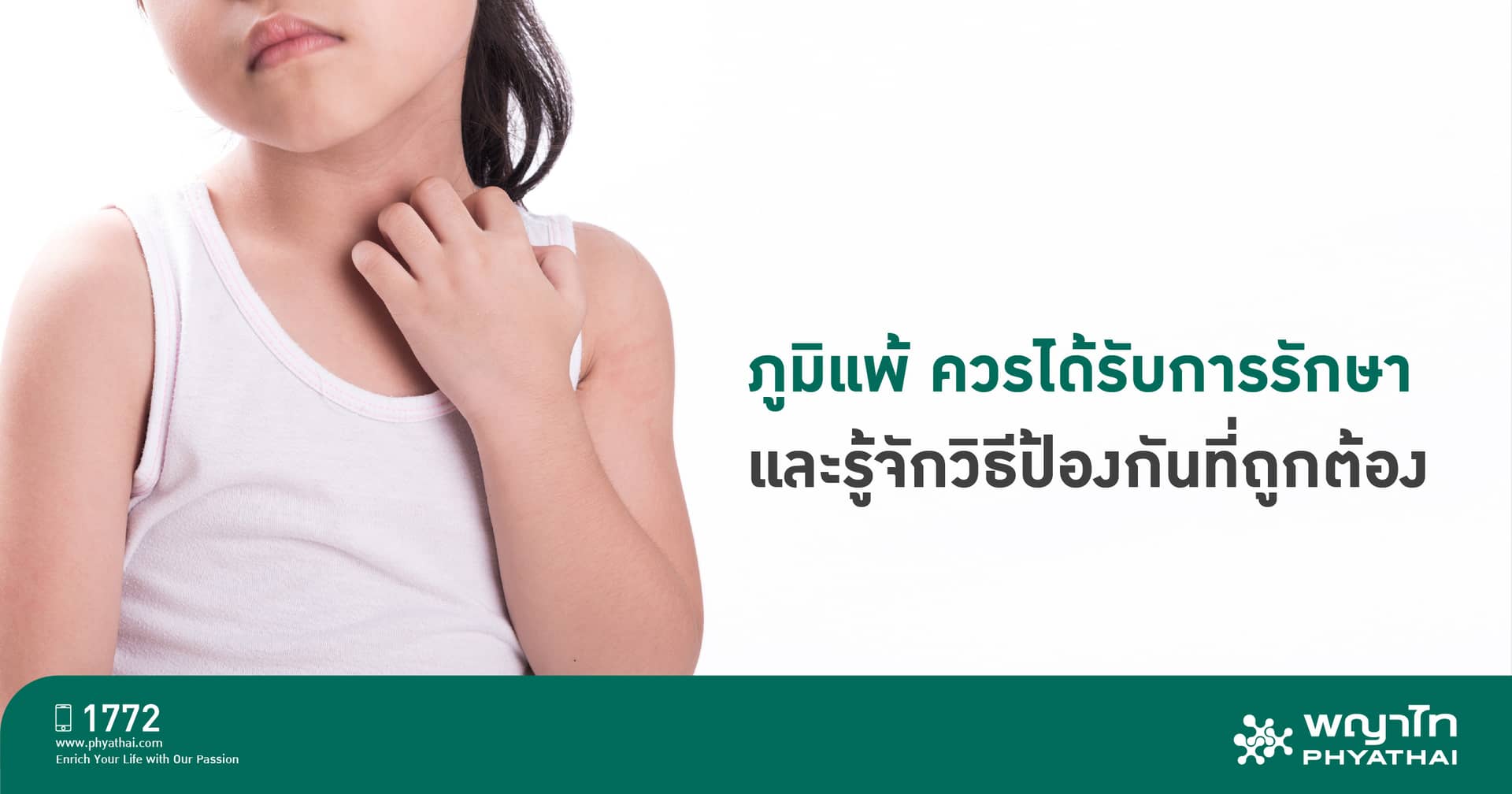
Anaphylaxis is a severe acute allergic reaction that can be life-threatening. It presents with symptoms affecting multiple systems. Besides the common hives, respiratory symptoms include wheezing and cyanosis due to bronchial constriction. Gastrointestinal symptoms may include nausea and vomiting, and in young children, symptoms may include lethargy or irritability.
What causes severe acute allergic reactions?
In children, the most common cause is food allergies, which can include various types such as cow’s milk, eggs, or wheat flour. However, some patients may experience severe acute allergic reactions from other causes, such as drug allergies, especially injectable drugs, or insect bites or stings. Diagnosis or identifying the cause involves a detailed medical history and physical examination by a doctor, along with allergy testing. Doctors usually recommend that all patients be tested to identify the cause of severe acute allergic reactions to properly avoid triggers and understand initial care if such reactions occur.
How is the diagnosis made?
For initial diagnosis of severe acute allergic reactions (Anaphylaxis), doctors diagnose based on symptoms and exposure history, combined with allergy testing for suspected foods, drugs, or insects. There are two types of tests:
- Skin prick test
- Blood test to detect specific IgE
However, since anaphylaxis is a severe and potentially fatal allergy, when a patient presents with symptoms, the doctor will immediately provide emergency treatment. Afterward, the cause of the acute allergic reaction will be investigated in the next steps. If skin testing is required, the doctor will schedule the test about 4-6 weeks later to obtain accurate results.
How to prevent severe acute allergic reactions
- Avoid triggers that cause severe acute allergic reactions seriously, as this type of allergy can be life-threatening.
- Patients diagnosed with severe acute allergies should always carry emergency medication and receive proper instructions on how to use it correctly.
- Follow up with an allergy specialist every 3-6 months to review medications, check for recurrence of symptoms, and consider repeat blood tests to determine if the child has outgrown the allergy. If there is a tendency to outgrow the allergy, allergy testing such as food or drug challenges will be conducted in the hospital to confirm recovery, allowing the child to return to normal life.
- For young children attending school, recommendations include wearing allergy tags, informing teachers about medication use and care, carrying allergy cards, knowing what medications are needed, and administering injections if necessary. Older children should be trained to self-administer injections.
Dr. Jintana Chatruppvijit
Pediatric Allergy and Immunology Specialist
Child and Adolescent Health Center, Phyathai 2 Hospital
