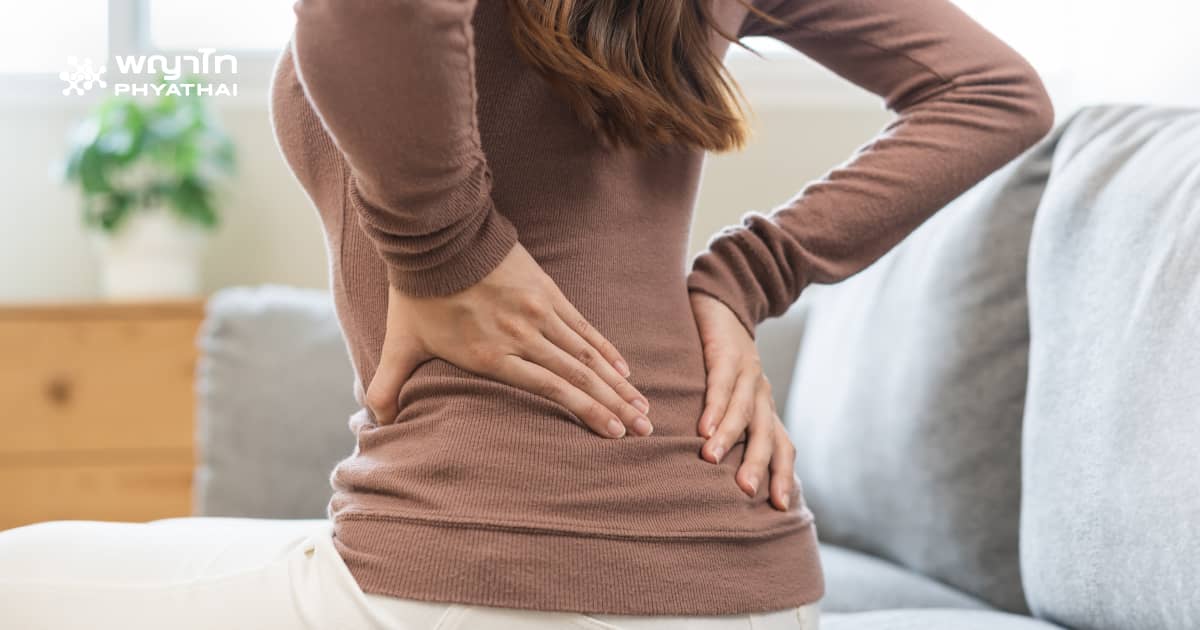
Osteoporosis is considered a silent threat to the elderly because there are no symptoms until the bones become fragile and break easily. This is especially true for women, who are at higher risk than men, but men can also develop the condition.
What is Osteoporosis?
Osteoporosis is a condition where bone mass decreases and the bone structure changes, making bones brittle, thin, and prone to fractures even from minor accidents. It mostly occurs in the wrist, hip, and spine. It is found that 1 in 2 women and 1 in 5 men over the age of 50 have fractures caused by osteoporosis. It can be observed that elderly people often experience back pain and a stooped back because the spine is gradually compressing.
Normally, bone mass is built and accumulated from birth until it reaches its peak density around the age of 30. After that, bone mass gradually decreases, especially in postmenopausal women, where bone mass declines rapidly, particularly in the first 5-10 years after menopause. This makes women more at risk.
What causes osteoporosis?
The main causes can be divided into two factors:
- Internal factors: Estrogen hormone
- External factors: Diet, exercise, medications, and certain diseases
Avoidable Risks
Adequate calcium intake according to age from childhood can help slow down or reduce the severity of bone mass loss in old age. Increasing bone mass by 10% can reduce the risk of fractures from osteoporosis by up to 50% compared to people of the same age. Additionally, the following risk factors should be avoided:
- Drinking alcoholic beverages
- Smoking
- Being underweight
- Vitamin D deficiency (obtained from sunlight exposure and certain foods)
- Lack of calcium-rich foods
- Lack of exercise
- Use of certain medications, such as continuous steroid use
- Living in places prone to falls
Who should be screened for osteoporosis?
- Women aged 55 and older or men aged 60 and older
- Women who experienced menopause before age 45
- Women who have had their uterus and both ovaries surgically removed
- Those with a family history of osteoporosis or fractures caused by osteoporosis, especially hip and spine fractures
- Those with a history of easy fractures or fractures from minor injuries, such as falling on a flat surface
- Those with a history of steroid or corticosteroid use
- Those who have lost at least 4 cm in height compared to their teenage years or have lost at least 2 cm per year
- Those with chronic diseases such as diabetes, rheumatoid arthritis, or chronic infections
Bone mass or bone density testing is done using a standardized DXA scan machine, which uses X-rays to image bone tissue. This test helps determine bone strength and whether osteoporosis is present.
How to prevent osteoporosis
- Consume enough calcium-rich foods
- Exercise regularly for at least 30 minutes a day, at least 3 days a week
- Avoid alcohol consumption and smoking
Treatment for osteoporosis
If diagnosed with osteoporosis, you should see a doctor to assess the risk because some patients require specific medications such as hormone therapy or bisphosphonates. Once osteoporosis develops, taking calcium and vitamin D alone cannot restore bone strength to its original state. It is best to consult a doctor for evaluation and treatment, as causes vary for each individual.
