During the recovery period after surgery, taking care of your body is important and should not be neglected. Not only does it help restore your body to normal life faster, but it also helps reduce fatigue and rejuvenate your mental state. Today, we have some simple tips and techniques to share with you.
Strictly follow the doctor’s instructions
When you return home, the patient must start taking responsibility for self-care. There will be no nurses or doctors telling you what to do at specific times, such as taking medication, doing physical therapy, or following restrictions and guidelines recommended by the doctor. Patients and caregivers should strictly adhere to these instructions because even a small neglect can lead to unsafe conditions, such as drug resistance, wound infection, inflammation, or tearing. Besides following instructions, it is also important not to be stubborn or push yourself too hard. For example, some people want to walk sooner or get stronger quickly, so they rush physical therapy to the point of pain. Overdoing it can sometimes worsen your condition.
Do not miss doctor appointments; see the doctor as scheduled
You should see the doctor on the scheduled date, even if you feel much better. Internal abnormalities are invisible and sometimes show no clear symptoms. Generally, when the wound is dry and healed well, the doctor will schedule stitch removal within 5-14 days. If the wound itches, do not scratch or pick at it. You should see the doctor to check for abnormalities as scheduled, to check blood results, blood pressure, and the surgical wound to ensure everything is normal, as well as to adjust medications to suit your current condition.
Pay attention to post-surgery nutrition
Nutrition plays a very important role in helping patients recover and return to their previous strength. However, after surgery, some people may feel loss of appetite or not hungry. But it is important to emphasize that eating is crucial. Even if you are not hungry or feel bored with food, you must make yourself eat because it is a key factor in wound repair, healing, and restoring your body’s strength. Therefore, eating healthy foods such as protein, calcium, and various vitamins is another important aspect to focus on for both minor and major surgeries.
Good food helps speed up recovery after surgery
Did you know that after surgery, protein requirements increase? Normally, you need 1 gram of protein per kilogram of body weight, but this increases to 1.5-3 grams per kilogram. Healthy fats from olive oil, rice bran oil, and nuts such as almonds and peanuts help wounds heal faster. Patients should eat healthy foods and avoid foods harmful to the body, such as high-sugar foods that cause blood sugar fluctuations. Also, avoid electrolyte drinks because they contain sodium, which makes swelling harder to reduce. Avoid raw or undercooked foods, fermented foods, and refrain from drinking alcoholic beverages.
After surgery, try to move your body; avoid bed rest
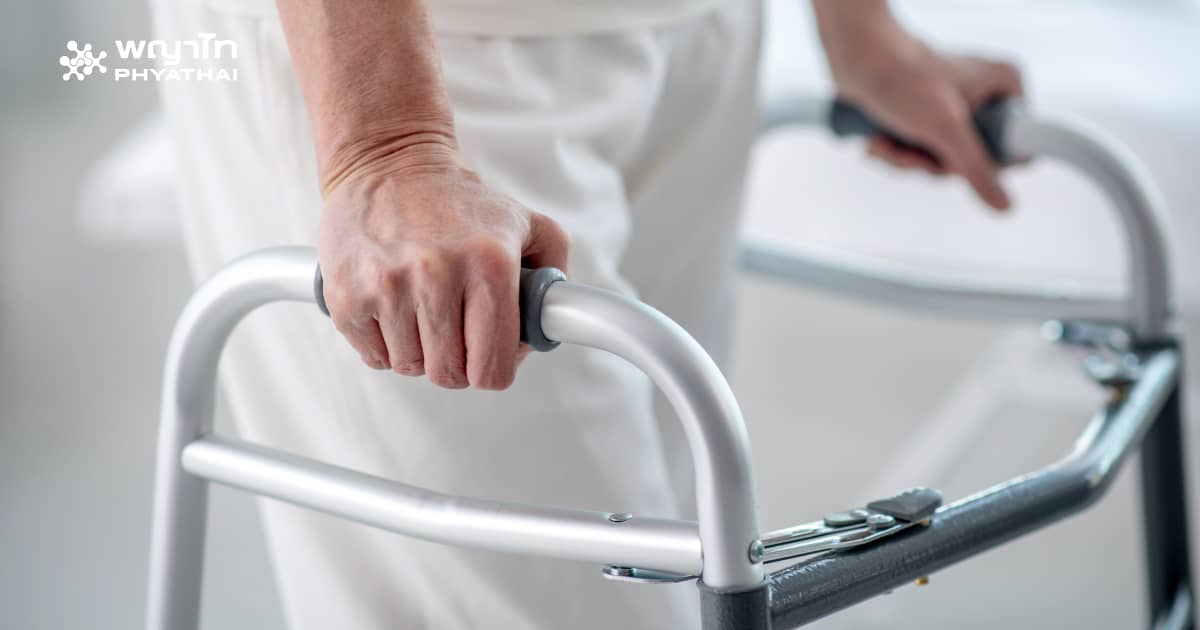
Some people want to recover quickly and push themselves to exercise excessively. On the other hand, some refuse to move due to fatigue, fear of wound pain, or fear of being a burden to others who help support, hold, or assist with physical therapy. This can lead to complete immobility, resulting in bed rest syndrome, poor blood circulation, constipation, bloating, and abdominal discomfort due to lack of bowel movement. If the surgery involves bones and joints, it may cause joint stiffness, pressure sores, muscle weakness, and inability to walk. Your body will deteriorate further. Walking slowly every 1-2 hours can help reduce these risks and also refresh your mind.
Post-surgery recovery is not something to neglect. If you want to return to normal life, try applying these tips and you will find that your recovery is faster than you expected.
