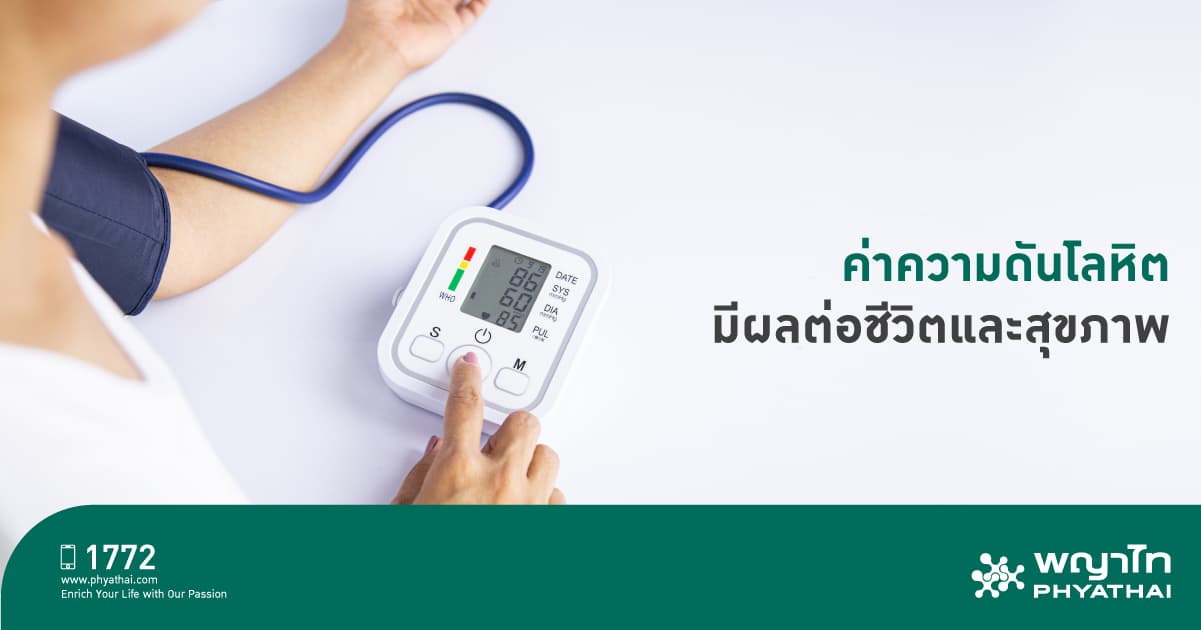
Have you ever wondered why every time you visit a doctor at the hospital, they always measure your blood pressure before the examination? Or is it because… blood pressure is important to our body? And if it really is important, how is it important, or what health problems can it indicate? Today, Dr. Jeerasak Sirithanyanont, a cardiologist at the Heart Clinic, Phyathai 3 Hospital, has the answers for you.
What is blood pressure and why is it important?
Blood pressure refers to the pressure of blood within the arteries, or simply put, it is the force of blood pushing against the inner walls of the arteries as it delivers blood to various organs in the body. This pressure can be measured by medical devices, which not only indicate the strength of the heart’s pumping but also infer the health of the arterial walls—whether they are still healthy or not. If the arterial walls are abnormal, stiff, lack elasticity, have plaque buildup, or begin to narrow, this will be reflected by an increased blood pressure reading.
High blood pressure negatively affects overall health and is a major risk factor for stroke, coronary artery disease, heart muscle ischemia, kidney disease, and various complications. If there is sudden narrowing, rupture, or blockage of cerebral arteries, it can lead to paralysis, stroke, or death. Therefore, blood pressure is important and should be carefully monitored, especially for those prone to hypertension or with fluctuating blood pressure.
Why do blood pressure readings vary each time?
If you measure your blood pressure and find it higher than the standard, don’t panic or worry too much. Each measurement may vary slightly depending on factors at that moment, such as:
- Emotional states like excitement, stress, or anxiety, which can raise blood pressure.
- Having recently eaten foods high in sodium, salty seasonings, or processed foods with high salt content.
- Smoking, regularly drinking alcohol, or consuming coffee before measuring blood pressure.
- Just arriving after walking or climbing stairs, causing the heart to beat faster due to exertion.
Blood pressure and appropriate numbers
How do we know if blood pressure is still normal? The medical standard includes two numbers:
- The upper blood pressure value is the pressure when the heart contracts (Systolic Pressure) to pump blood throughout the body, with a standard value of 120 mmHg.
- The lower blood pressure value is the pressure when the heart relaxes (Diastolic Pressure), with a standard value of 80 mmHg.
Generally, if blood pressure is slightly above the standard, it is not immediately dangerous or indicative of hypertension. However, if the systolic pressure regularly reaches 139 mmHg or the diastolic pressure reaches 89 mmHg, it may indicate early arterial problems. The first step is to modify behavior to lower blood pressure. If after some time blood pressure remains high, it is recommended to consult a doctor for proper diagnosis and treatment.
Symptoms of high blood pressure
Usually, people with mild high blood pressure do not show clear symptoms, which leads them to neglect visiting a doctor. Over time, as blood pressure increases, symptoms may appear such as easy fatigue, frequent headaches, dizziness when changing posture, or nosebleeds. Anyone experiencing these symptoms should have their blood pressure seriously evaluated because these symptoms can also be caused by other conditions unrelated to high blood pressure. The person may have other diseases related or unrelated to blood pressure.
How does high blood pressure develop?
Although the exact cause of high blood pressure is difficult to prove, medically, two main factors are identified:
- Genetic factors: People with parents who have high blood pressure are more likely to develop it than those whose parents have normal blood pressure.
- Behavioral and physical factors: Eating high-sodium or salty foods, drinking alcohol, smoking, stress, lack of rest, lack of exercise, being overweight or obese, snoring, diabetes, and old age.
Before starting treatment, know the true blood pressure
Blood pressure fluctuates throughout the day. These differences may be caused by food intake, emotions, stress, rest, and activities at the time. To diagnose and advise patients on behavior modification or medication, doctors need to be certain whether the patient truly has high blood pressure and at what level treatment is necessary. Measuring blood pressure only a few times under different conditions may not provide sufficient information.
With current medical technology, doctors now have a device called a “portable 24-hour blood pressure monitor.” This device consists of a cuff similar to the one used at hospitals and a small recording unit that patients can wear on their waist or belt. The key features of this device include:
- Recording up to 250 continuous blood pressure readings.
- Setting measurement intervals from every 5 minutes up to every 120 minutes, as determined by the doctor based on individual needs.
- Measuring blood pressure from 25 to 260 mmHg.
- Measuring pulse rate from 20 to 200 beats per minute.
- Setting measurements during three periods: awake, asleep, and during activities.
- Allowing users to continue their daily activities while wearing the device.
After the patient wears the device for 24 hours, the doctor downloads the data into a computer system to display blood pressure graphs over time. The doctor will consider average values during the day and night while the patient sleeps. These numbers form an important database for analyzing the patient’s health issues, such as risk of heart disease, sleep problems, risk or presence of hypertension, and urgency of treatment. The average blood pressure from the portable monitor should not exceed 135/85 mmHg, and the blood pressure during sleep should not exceed 130/80 mmHg.
This device is also commonly used for younger patients with high blood pressure, such as those under 35 years old who have high readings at the hospital but normal general health check results. It may be too early to prescribe medication, so finding the true average blood pressure is a better approach before considering treatment.
Although this device is mainly used for hypertensive patients, it can also be used for elderly diabetic patients, especially if they have fluctuating or highly variable blood pressure, to check for episodes of very low blood pressure and adjust medication accordingly.
Treatment of high blood pressure
High blood pressure is a chronic disease. In cases where blood pressure is not very high, doctors will recommend lifestyle changes such as choosing appropriate foods, reducing intake of bad fats, increasing fruits and vegetables, exercising regularly, controlling weight to a normal range, getting enough rest and sleep, and avoiding or reducing risk factors like smoking and alcohol consumption.
If lifestyle changes do not lower blood pressure, doctors may consider medication based on the severity of the condition. Patients must take medication correctly, completely, not stop or adjust doses on their own, and attend follow-up appointments to monitor symptoms, treatment results, and prevent complications during treatment.
As mentioned, high blood pressure is a chronic disease, but in the early stages, patients often do not realize it and do not seek treatment. Even those with high blood pressure may not recognize the gradual dangers and thus neglect treatment or have fears and beliefs about lifelong medication.
Having the opportunity to measure blood pressure with a 24-hour portable monitor allows patients to clearly understand their condition and realize the importance of serious treatment or starting lifestyle changes to reduce risks. This can reduce the severity of the disease or even bring blood pressure under control without the need for medication.
Dr. Jeerasak Sirithanyanont
Cardiologist
Heart Center, Phyathai 3 Hospital
