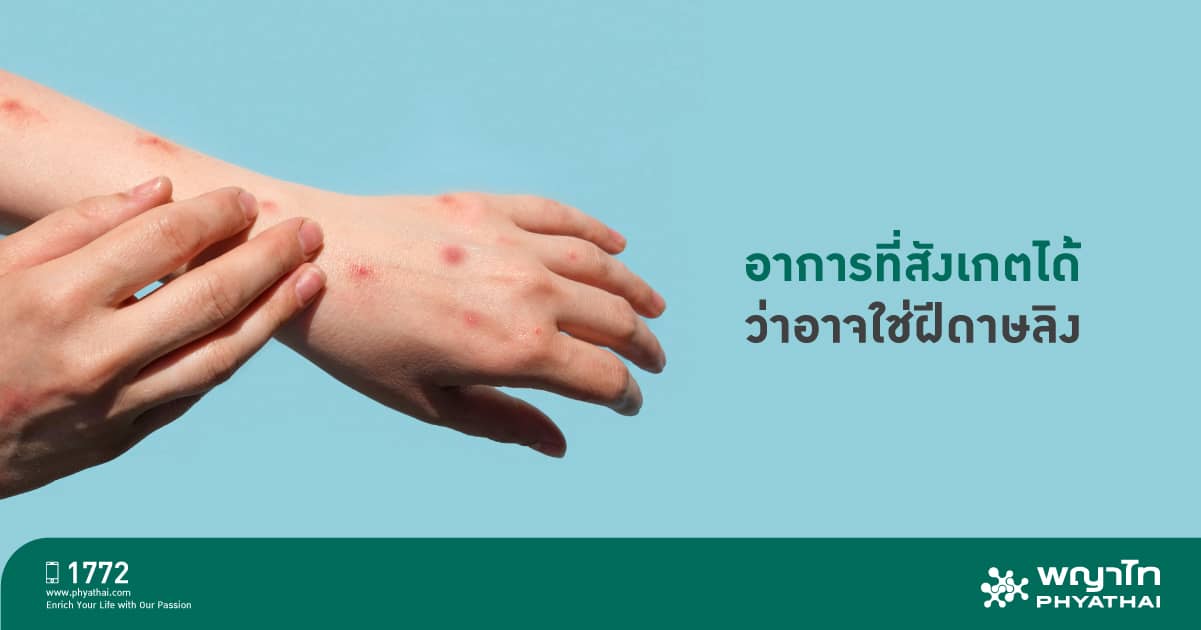
Although not a new disease, the resurgence during a time when the global public health situation is still unstable has caused “monkeypox” to raise concerns for many people because it can be transmitted through bodily fluids, meaning we could unknowingly contract the virus. But before panicking, let’s understand what causes this disease, how severe it is, and how to prevent it so we can respond calmly and correctly.
Monkeypox, an endemic disease of the African continent
Monkeypox virus is caused by a virus from the Orthopoxvirus group, the same group as the virus that causes smallpox. It is commonly found in primates and rodents such as rats, squirrels, and rabbits, and is mostly found in Central and West Africa. It can be transmitted from animals to humans and from humans to humans. The incubation period before symptoms appear is about 5-21 days, but symptoms usually appear within 10-14 days.
How is monkeypox transmitted?
There are two types of transmission: animal-to-human transmission occurs when we come into contact with the blood or bodily fluids of infected animals, including being bitten by infected animals, or consuming undercooked meat from infected animals, which can cause infection. In the case of human-to-human transmission, it usually occurs through contact with bodily fluids, as well as coughing, sneezing, or touching objects contaminated with the virus unknowingly. It has not been confirmed that monkeypox is a sexually transmitted disease, but the monkeypox virus can be transmitted through direct contact during sexual activity.
How dangerous is monkeypox and what types of rashes should be cautious of?
Monkeypox is mostly mild. Symptoms include fever, headache, eye pain, muscle aches, swollen lymph nodes, fatigue, and rashes on the face, arms, and legs, which usually appear about 3 days after the fever. The rash starts as red spots, then becomes raised bumps, blisters, pustules, and finally scabs. During the blister and pustule stage, special caution is needed as this is when the virus is most contagious. Once the rash begins to scab, it is considered past the contagious stage. Another important fact is that monkeypox rashes penetrate deep into the skin, which may leave scars.
Monkeypox and smallpox: similarities and differences
The similarity is that both are caused by viruses from the same group. The clear difference is the “severity” of symptoms when infected. As mentioned, monkeypox symptoms are less severe, with a fatality rate of less than 10%, while smallpox is more easily transmitted from person to person, spreading through respiratory droplets similarly to COVID-19, spreading rapidly, and having a fatality rate of up to 30%. However, there are currently no outbreaks of smallpox, and Thailand stopped smallpox vaccination in 1980.
Does the smallpox vaccine protect against monkeypox?
Studies have found that receiving the smallpox vaccine can protect against monkeypox by up to 85%. In cases of infection, vaccination may also reduce the severity of the disease. It remains to be seen whether the vaccine will be reintroduced to prevent this outbreak.
How to protect yourself? Stay safe from monkeypox
The clearest and easiest answer is to wear a mask, wash your hands, avoid touching your face, eyes, nose, and mouth with your hands, avoid sharing personal items with others, and always eat food that is cooked, fresh, and new. Taking care of yourself this way not only reduces the risk of monkeypox but also lowers the risk of influenza and COVID-19 simultaneously. Although it has not been confirmed that monkeypox is a sexually transmitted disease, practicing safe sex by using condoms, not changing sexual partners, or better yet, avoiding sexual activity during this period, is also a good way to reduce risk.
