What is breast reconstruction?
Breast reconstruction is a surgical procedure that rebuilds a breast that has been removed during a mastectomy, which is the removal of a breast to treat or prevent cancer. Reconstruction can be done using implants or by using tissue from other parts of your body, known as flaps.
Is breast reconstruction necessary after breast cancer surgery?
Breast reconstruction is a personal choice, and it is not necessary. Some women opt for reconstruction to help them feel better about themselves or to regain a sense of normalcy. However, the decision is entirely up to you.
What if I decide not to have breast reconstruction?
If you choose not to have breast reconstruction, you can wear a special bra called a “mastectomy bra” that has a pocket for a soft plastic breast prosthesis. This helps create a balanced appearance, and your clothes will fit better. Some women choose not to have reconstruction and are comfortable with their decision.
When can I have breast reconstruction?
Breast reconstruction can be done at the same time as the mastectomy (immediate reconstruction) or at a later time (delayed reconstruction). The timing depends on factors such as the stage of your cancer, other treatments you may need, and personal preferences.
What are the different methods of breast reconstruction?
There are two main methods of breast reconstruction: implant-based reconstruction and flap reconstruction.
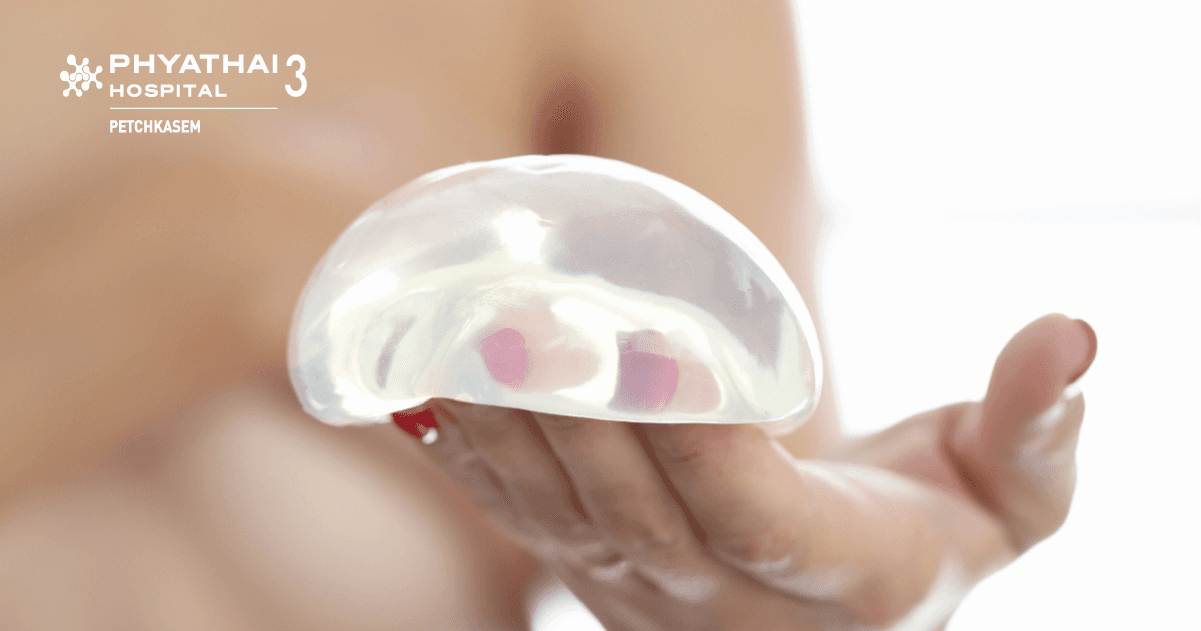
- Implant-based reconstruction: Breast implants, which are filled with saline or silicone, can be placed under the chest muscle. The reconstruction typically involves two steps. First, an expander is inserted to gradually stretch the skin and muscle. Once the desired size is reached, the expander is replaced with an implant. Implants are suitable for women with smaller breasts that do not droop.
- Flap reconstruction: Flap reconstruction involves using tissue from other parts of your body to create a new breast. The tissue can be rotated in place with its own blood supply (pedicled flap) or disconnected and reattached to a new blood supply (free flap). The choice of flap depends on factors such as body size, health conditions, past surgeries, and radiation therapy plans.
Will my nipple be reconstructed?
Yes, if you choose to have nipple reconstruction, it can typically be done a few months after the breast reconstruction. The surgeon can rearrange existing tissue or use tissue from another part of your body. Tattooing can also be done to match the color of your other nipple and create a three-dimensional appearance.
Will my reconstructed breast match my other breast?
While efforts are made to create symmetry, the reconstructed breast will not be identical to your natural breast or your other breast. Additionally, the new breast may not have the same sensation. If desired, further adjustments can be made to the reconstructed breast or the other breast through additional surgeries.
Can I choose the type of breast reconstruction?
The choice of breast reconstruction depends on various factors, including your suitability for different methods. If you have a preference for a specific type of reconstruction, discuss it with your surgeon to determine if it is a suitable option for you.
What complications should I watch for after surgery?
Most women do not experience serious problems after breast reconstruction. However, some potential complications include infection, bleeding, fluid accumulation, pain that persists, capsular contracture (scar tissue around the implant), implant deflation or displacement (implant-based reconstruction), flap viability issues, or hernia formation (flap reconstruction). It’s important to promptly report any concerns or symptoms to your doctor or nurse for appropriate evaluation and treatment.
Remember, it’s essential to have open and thorough discussions with your healthcare team to make informed decisions about breast reconstruction after mastectomy.
