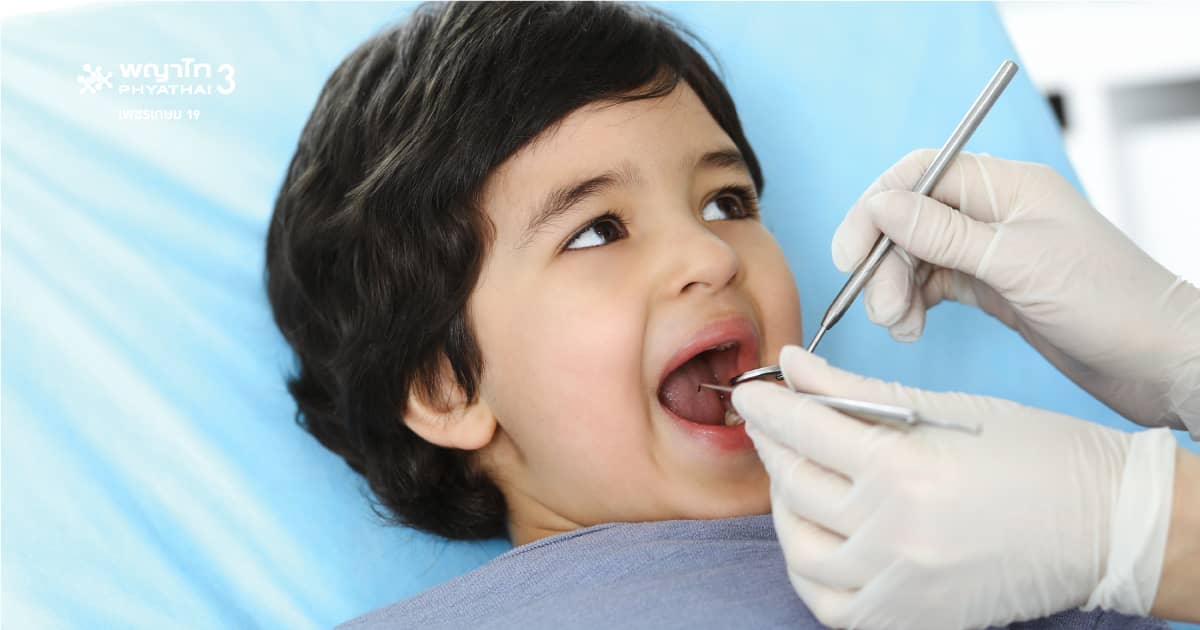
What is fluoride coating? Does it really prevent tooth decay?
Just fluoride coating
can make it easier to prevent tooth decay in children.
Tooth decay in children is a major concern for all parents because children like to eat snacks and sweets. At the same time, they may not be able to take good care of their teeth properly as they often brush incorrectly and inconsistently, which increases the risk of tooth decay. However, tooth decay in children can be easily addressed by fluoride coating, which some parents may not know is possible because they think fluoride is only found in toothpaste. In reality, fluoride is present in many foods and can be applied directly to the teeth of children or adults. Understanding what fluoride coating is, its benefits, and how it is done will help parents take better care of their children’s dental health, making their teeth stronger and reducing the risk of tooth decay.
What is fluoride coating in children and how beneficial is it?
Fluoride is a mineral that helps prevent tooth decay. We often hear that it is an ingredient in toothpaste, which is why toothpaste helps protect teeth better. Fluoride is not only found in toothpaste but also in many foods such as seafood, meat, and vegetables. However, the amount of fluoride consumed from food may not be enough to strengthen teeth, especially for children who often eat snacks and sweets that increase the risk of tooth decay more than foods beneficial to teeth. For this reason, applying fluoride directly to the teeth is a more effective solution to help prevent tooth decay in children.
Fluoride coating is a pediatric dental procedure where fluoride is applied to children’s teeth to make them stronger and more resistant to acids produced by bacteria in the mouth. This is very important for children. Fluoride coating on baby teeth helps prevent decay that could cause baby teeth to fall out or need to be extracted before the permanent teeth come in. If baby teeth fall out prematurely, it can cause problems such as crowding, spacing, or misalignment of permanent teeth. Meanwhile, fluoride coating on permanent teeth helps reduce the risk of tooth decay, preventing children from suffering toothaches and losing permanent teeth prematurely, which can affect their confidence and lead to other dental care issues later on.
What are the types of fluoride coating in children and how do they differ?
Fluoride coating in children can be divided into 2 types based on the type of fluoride used, as follows:
1. Fluoride varnish is used for fluoride coating in children under 6 years old. The pediatric dentist will first clean the teeth, then apply fluoride varnish on the tooth surfaces. It can be applied directly to areas with existing decay or on teeth at risk of decay to help stop the progression of tooth decay.
2. Fluoride gel is used for fluoride coating in children over 6 years old. The dentist will clean the child’s teeth first, then place fluoride gel into a tray sized to fit the child’s teeth. The tray with fluoride gel is then placed over the upper and lower teeth, and the child bites down on the tray for about 4 minutes to allow the fluoride gel to coat the teeth thoroughly.
Fluoride coating is a pediatric dental procedure that plays a significant role in helping children grow up with healthy, complete teeth and beautiful smiles. It is an effective method to prevent tooth decay in children, especially during ages when they are more prone to behaviors that increase the risk of decay. However, fluoride coating in children should be performed by a pediatric dentist who is experienced in caring for children’s teeth. This requires psychological skills to communicate with children to ensure the procedure goes smoothly, as well as the ability to calculate the appropriate amount and concentration of fluoride that is safe for children. The recommendation for fluoride coating in children is every 3-6 months, depending on the individual risk of tooth decay, which requires expert assessment of each child’s risk.
Dr. Sukontha Isarawiriyakul
Pediatric Dentist, Dental Center
Phyathai 3 Hospital
