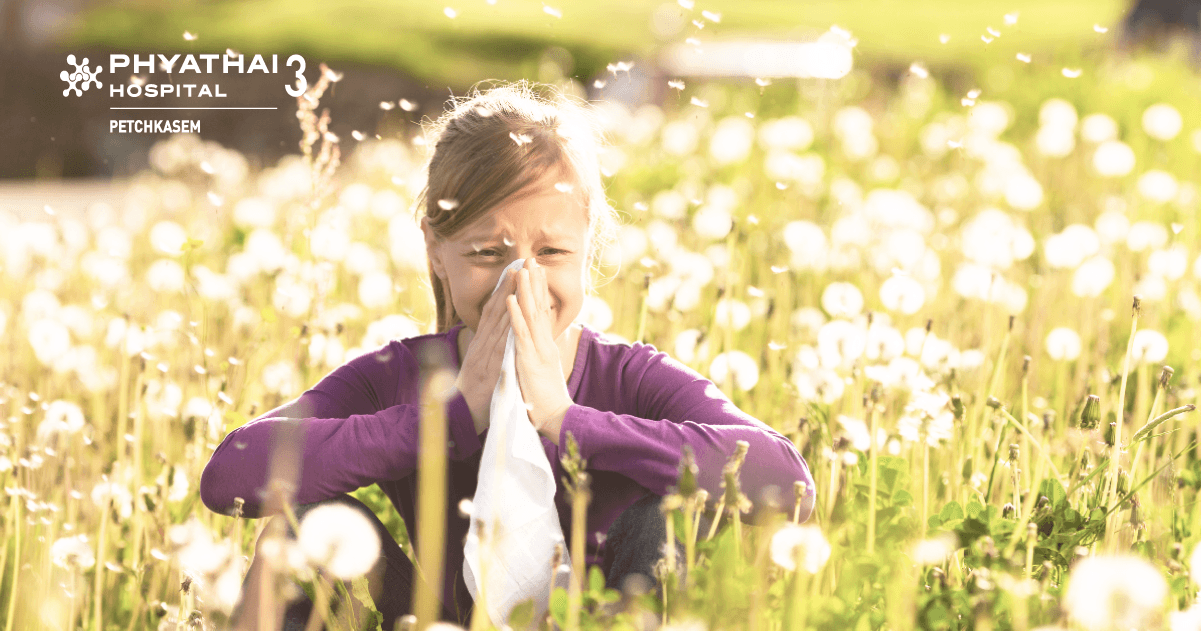
What are seasonal allergies?
Seasonal allergies, also known as “hay fever,” are conditions that can cause sneezing, a stuffy or runny nose, and other symptoms. They typically occur at specific times of the year and are often triggered by pollens from trees, grasses, and weeds, as well as mold spores.
Symptoms
Common symptoms of seasonal allergies in children include:
- Stuffy or runny nose
- Frequent sneezing
- Itchy or red eyes
- Sore throat or itchy throat/ears
- Sleep disturbances, leading to daytime fatigue or difficulty concentrating
Testing for seasonal allergies
To diagnose seasonal allergies, a doctor may ask about the child’s symptoms and perform an examination. Allergy skin testing can also be conducted to determine specific allergens. During this test, a small amount of a suspected allergen is placed on the skin, and the doctor observes if a reaction occurs.
Treatment options for seasonal allergies
Children with seasonal allergies may receive one or more of the following treatments to alleviate their symptoms:
- Nose rinses: Older children can try nasal rinses with saltwater to cleanse their nasal passages and remove pollen.
- Steroid nose sprays: These sprays, prescribed by doctors, are highly effective in relieving nasal symptoms, but they may take a few days to work.
- Antihistamines: These medications help control itching, sneezing, and runny nose symptoms. However, certain antihistamines can cause drowsiness, so caution is advised, especially for young children.
- Allergy shots: In some cases, allergy shots may be recommended by the doctor. These shots, given regularly by an allergy specialist, can reduce the child’s risk of developing asthma later in life.
- Allergy pills (under the tongue): Some pollen allergies can be treated with pills that dissolve under the tongue. These pills are taken daily for several months of the year.
Prevention of seasonal allergy symptoms
Preventive measures can help reduce seasonal allergy symptoms in children:
- Starting medication a week or two before the expected onset of symptoms can be beneficial.
- Avoiding allergens: If the child is allergic to pollen, keeping them indoors during peak allergy seasons, closing windows, using air conditioning, ensuring regular baths or showers to remove pollen from hair and skin, and using vacuums with HEPA filters to maintain clean indoor air can all help minimize exposure to allergens.
Remember to consult with your child’s doctor or nurse about the best treatment options for your child’s specific symptoms and health conditions. They can provide guidance on medication usage and help create an appropriate management plan.
