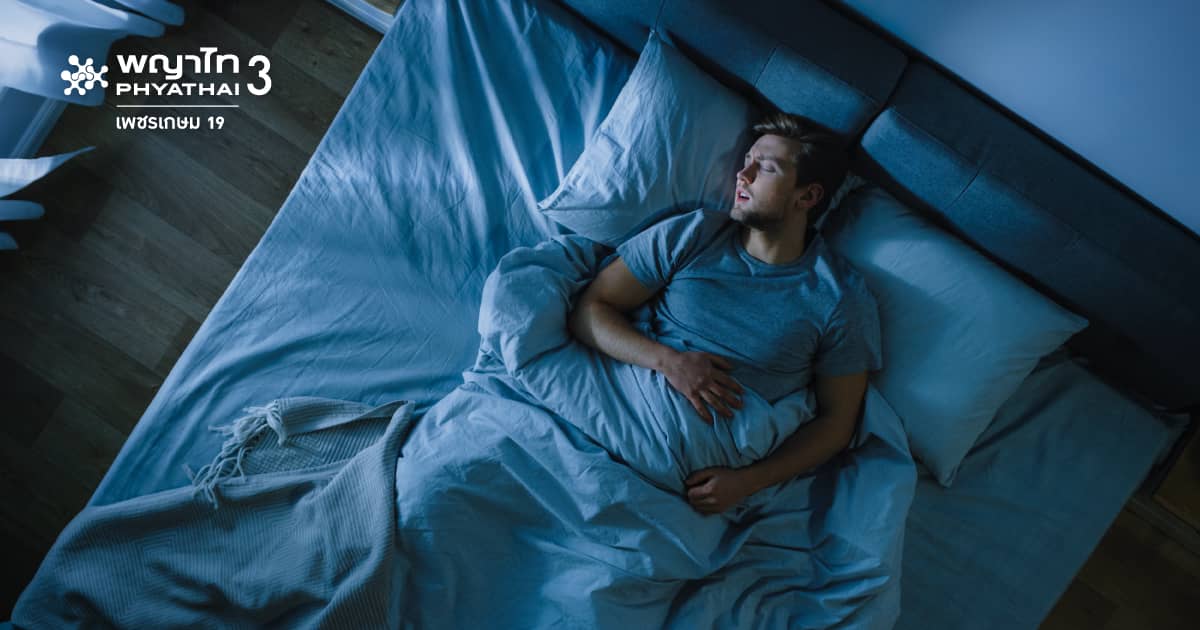
Snoring this loudly… It’s probably because you’ve been working hard and very tired lately. Many people think snoring is normal, but in reality, it could be a sign of obstructive sleep apnea. If left untreated… it can progress to cause stroke, heart disease, or depression!!
Is loud snoring really just because of tiredness?
What type of snoring may risk obstructive sleep apnea?
Loud snoring that even wakes up the person next to you may not just be due to fatigue as commonly believed. It could be a sign of obstructive sleep apnea, a problem caused by anatomical structures that, if left chronic… may lead to various diseases.
What causes obstructive sleep apnea?
Normally, when we sleep… the upper airway collapses due to relaxation of the pharyngeal muscles, which does not cause problems in most people. But in those with obstructive sleep apnea (OSA), these muscles relax excessively… causing airflow to be reduced or completely blocked (apnea), leading to oxygen deprivation and sleep disturbances.
How does sleep apnea affect health?
Obstructive sleep apnea (OSA) can affect health in many ways, causing fatigue, dizziness, excessive daytime sleepiness, which impacts work efficiency and increases the risk of accidents. If left untreated for a long time, it can lead to high blood pressure, heart disease, stroke, and depression. It may also cause relationship problems with bed partners.
How to recognize if you should see a doctor
- Regularly loud snoring with irregular snoring sounds and heavy breathing
- Bed partners notice breathing difficulties, pauses in breathing during sleep, choking sounds, or sudden gasps as if lacking air
- Poor sleep quality, nightmares, sleepwalking, restless sleep
- Sleeping enough but still feeling unrefreshed, lack of concentration, excessive daytime sleepiness affecting work or study performance or causing frequent accidents
- Sleeping fully but having irritability and moodiness, similar to chronic sleep deprivation
- Waking up with headaches or dizziness
- Having underlying conditions such as high blood pressure, coronary artery disease, heart failure, arrhythmia, stroke, erectile dysfunction, and others
Diagnosis of obstructive sleep apnea
To diagnose sleep apnea, doctors will take a medical history and ask questions to assist diagnosis, perform a detailed physical examination of the ears, nose, throat, and respiratory system, and use a sleep test to evaluate the function of various body systems during sleep, including brain, heart, breathing, and muscles, to determine the type and severity of the condition and analyze sleep quality.
Obstructive sleep apnea… can be treated with these methods
1. Adjust sleep behavior and hygiene such as
- Set a consistent bedtime and wake-up time, ensuring at least 7-9 hours of sleep per day
- Adjust the sleep environment to be suitable regarding light, noise, and room temperature
- Avoid alcohol, sleeping pills, muscle relaxants, or other unnecessary medications
- Modify diet and exercise to control weight within standard limits, as excess weight affects airway narrowing
- Adjust sleeping position by avoiding sleeping on the back, which causes easier airway obstruction than sleeping on the side; pillows can help adjust posture
2. Use positive airway pressure (PAP) devices which are worn on the face during sleep. The device blows air to keep the upper airway open, preventing collapse or obstruction.
3. Use oral appliances during sleep, which help hold the tongue forward to prevent it from falling back and blocking the airway.
4. Surgery to enlarge the upper airway or tighten tissues at sites causing the problem, which may be one or multiple locations. This method can be an additional option combined with other treatments.
