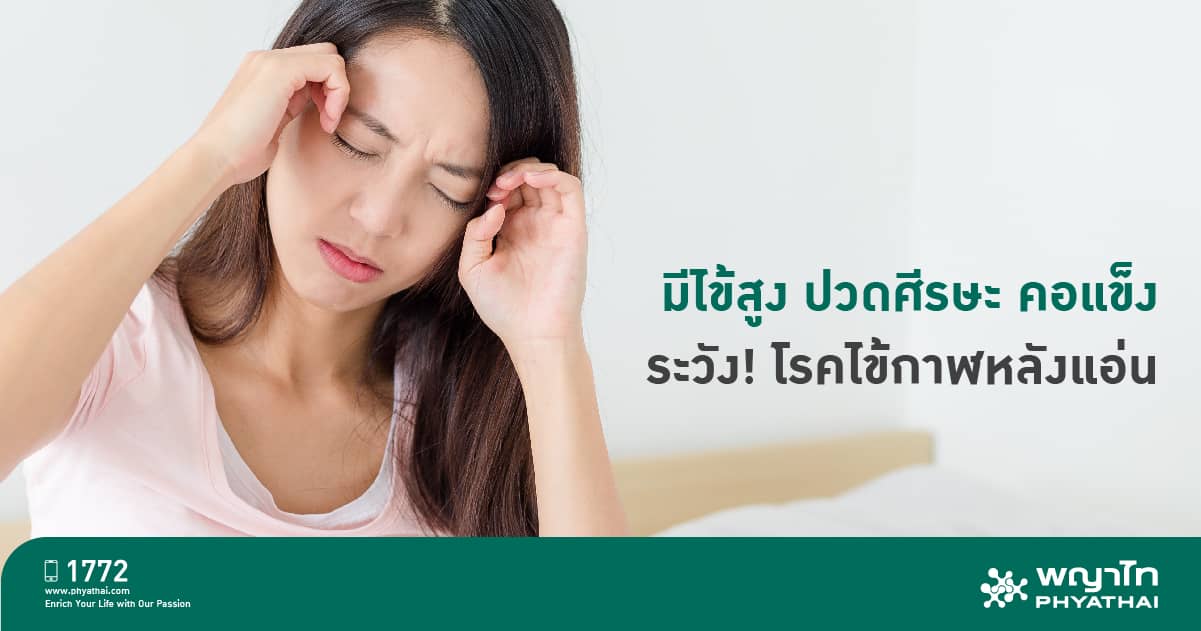
Meningococcal disease is a type of bacterial infection caused by meningococcus. There are several strains, and it spreads through transmission from carriers in the throat via coughing, sneezing, or contact with mucus and saliva, especially in crowded places. This results in symptoms such as high fever, headache, stiff neck, lethargy, confusion, skin hemorrhages, meningitis, bloodstream infection, and can lead to death.
Meningococcal Disease Vaccine
The meningococcal vaccine is made from the outer shell of killed bacteria and does not cause disease in vaccinated individuals. It covers the major disease-causing strains: A, C, Y, and W-135, but cannot protect against meningococcal disease caused by other strains. Currently, there are two types:
- Meningococcal Conjugated Vaccine (MenACWY, MCV4) for ages 2-55 years
- Meningococcal Polysaccharide Vaccine (MPSV4) for those over 55 years old who have never received MCV4
Who Should Receive the Meningococcal Vaccine
- Those traveling to perform Hajj and Umrah in Saudi Arabia must be vaccinated at least 10 days before entering the country and no more than 5 years for those who received MCV4, and no more than 3 years for those who received MPSV4
- Children over 2 years old and adults at risk of infection, such as those planning to travel to or live in outbreak areas where the disease-causing strains are covered by the vaccine, for example, countries in Africa along the Sahara Desert
- Students traveling to study in the United States or the United Kingdom, especially those who will live in dormitories, depending on the requirements of each institution
- Individuals with immunodeficiency conditions at higher risk of infection, such as patients who have had their spleen removed
Who Should “Avoid or Postpone” Receiving the Meningococcal Vaccine
- Those who have had a severe allergic reaction to a previous meningococcal vaccine
- If you have a fever or acute illness, vaccination should be postponed until recovery. However, if you have a mild cold without fever, vaccination can be given
Patients Who Should Consult a Doctor Before Receiving the Meningococcal Vaccine
- Those with immunodeficiency conditions, such as HIV infection
- Those taking medications that affect the immune system, such as steroids
- Those who have had Guillain-Barré Syndrome (GBS)
Possible Side Effects After Receiving the Meningococcal Vaccine
Vaccines, like medications, may cause severe allergic reactions. However, serious adverse reactions to the vaccine are very rare. Most people who receive the meningococcal vaccine experience no problems. Possible reactions after vaccination include pain, swelling, and redness at the injection site. Other symptoms such as low-grade fever, headache, body aches, irritability, and fatigue may occur but are usually mild and resolve within 1-2 days. If there is pain or swelling at the injection site, apply a cold compress. If there is a low-grade fever, antipyretics can be taken. However, if there are any unusual symptoms beyond these, consult a doctor.
Note:
- There is insufficient data on the use of this vaccine in pregnant and breastfeeding women, so it should be considered only for those at risk of infection and administered with caution
- This vaccine is not included in the basic vaccination program in Thailand due to the low incidence of the disease in the country and because the prevalent strain is type B, which is not covered by MenACWY or MPSV4
- If you have any questions, consult a doctor
