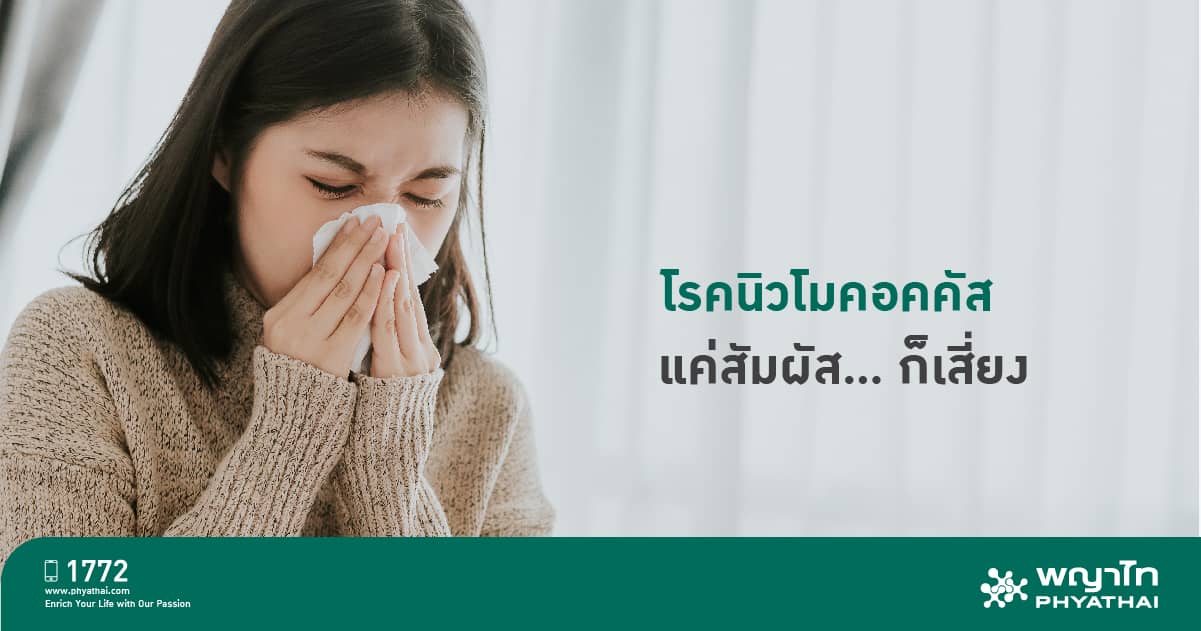
Pneumococcal Disease is an infectious disease that can occur in people of all ages and genders. It is caused by a bacterium called Streptococcus pneumoniae. This bacterium can be found in the upper respiratory tract of people, in the nasal cavity and throat, and is the cause of pneumonia and IPD (Invasive Pneumococcal Disease).
How is pneumococcal disease transmitted?
People who carry the bacteria but show no symptoms are called “carriers” and can spread the infection to others similarly to how the common cold spreads—through nasal mucus, saliva, sputum, coughing, and sneezing. Those who receive the bacteria may also be asymptomatic or develop pneumococcal infection.
Did you know? This bacterium is the leading cause of pneumonia
It can also cause infections in other areas such as middle ear infections, sinusitis, and invasive infections or IPD (Invasive Pneumococcal Disease), which means the bacteria can invade through various tissue layers into the bloodstream or sterile organs, causing infections such as meningitis and bloodstream infections.
Patients with such infections need hospital treatment, and if symptoms are severe, it can be life-threatening, especially in young children or elderly people with underlying diseases.
Pneumococcal Vaccines
Currently, there are 2 types:
-
- Conjugate pneumococcal vaccine (PCV13), which covers 13 strains of pneumococcal bacteria
- Polysaccharide pneumococcal vaccine (PPSV23), which covers 23 strains of pneumococcal bacteria
Both vaccines cover approximately 68-78% of the pneumococcal strains causing severe disease in Thailand out of about 90 pathogenic strains, as follows:
-
- PCV13 is recommended as a single intramuscular dose for adults over 65 years old or adults with the following risk factors:
-
-
- People with underlying diseases such as heart disease, lung disease, chronic liver cirrhosis, chronic kidney disease, diabetes
- People with immunocompromised conditions, such as those receiving immunosuppressive drugs or high-dose steroids, HIV-infected individuals, organ transplant recipients, bone marrow transplant recipients
- Patients who have had their spleen removed
- People with cerebrospinal fluid leakage
-
There is currently no recommendation for booster doses
- PPSV23 is recommended as a single intramuscular dose for adults at risk of severe infection and adults over 65 years old or those with underlying diseases such as heart disease, lung disease, chronic liver cirrhosis, chronic kidney disease, diabetes. Adults under 65 years old should receive one dose of PPSV23 and get a booster every 5 years until age 65.
Who “should” receive the pneumococcal vaccine?
- People aged 65 years and older
- People with underlying diseases such as heart disease, lung disease, chronic liver cirrhosis, chronic kidney disease, diabetes
- People with immunocompromised conditions, such as those receiving immunosuppressive drugs or high-dose steroids, HIV-infected individuals, organ transplant recipients, bone marrow transplant recipients
- Patients who have had their spleen removed
- People with cerebrospinal fluid leakage
- People who have had cochlear implant surgery
Who “should avoid” receiving the pneumococcal vaccine?
- People who have had a severe allergic reaction to any pneumococcal vaccine previously or have had an allergy to the diphtheria toxoid vaccine
- If having a fever or acute illness, vaccination should be postponed until recovery
- Those with mild cold or fever can still receive the vaccine
Possible side effects after vaccination
- About 30% experience local reactions such as pain, swelling, redness at the injection site. Some may have difficulty raising the arm; care includes cold compresses. Some may have fever or headache and can take antipyretics. Other possible reactions include drowsiness, mild loss of appetite, fatigue, and hot flashes, which are generally mild and resolve within 2-7 days.
- If any other abnormal symptoms occur, consult a doctor.
Note:
- There is insufficient data on vaccination in pregnant and breastfeeding women
- If in doubt, consult a doctor
