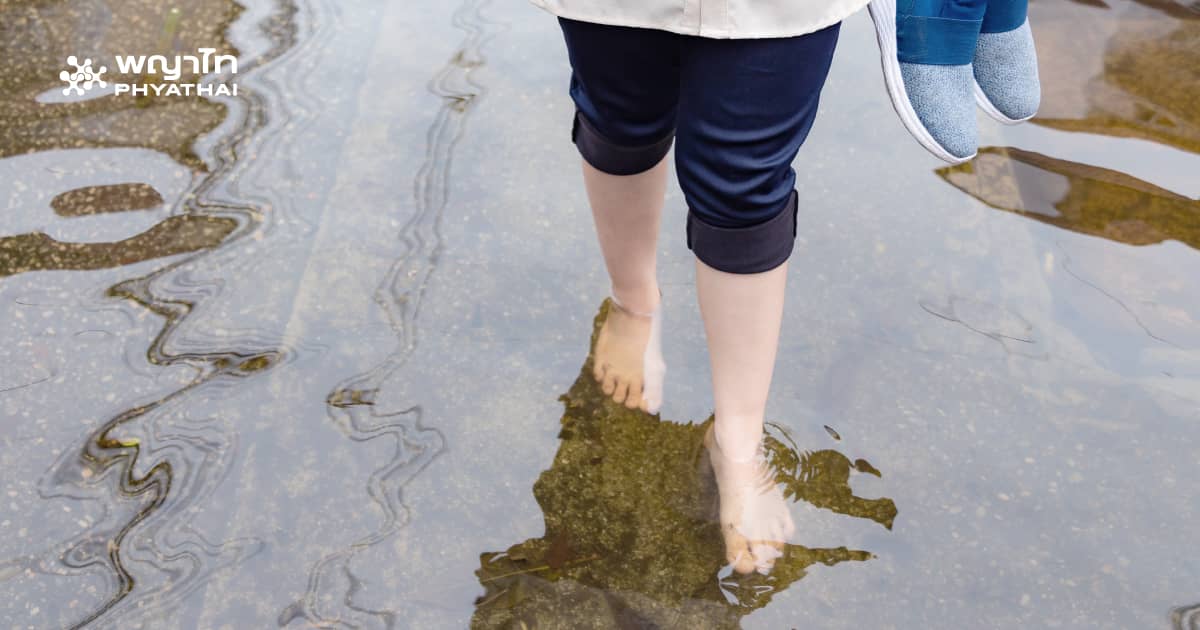
Leptospirosis is common during the rainy season and in areas with stagnant water. This disease is caused by a type of bacterial infection that can occur in both humans and animals. Infection in humans is caused by contact with soil, water, or food contaminated with the urine, blood, or tissues of infected animals such as dogs, cattle, buffaloes, rats, pigs, horses, or even various wild animals.
Symptoms of Leptospirosis Infection
Most people infected with leptospirosis have no symptoms or only mild symptoms. Only about 10-15% experience severe symptoms. When leptospirosis bacteria enter the body, they enter the bloodstream and spread to various organs. The incubation period before symptoms appear varies from person to person; some develop symptoms quickly within 2 days, while others may take several weeks or up to 1 month. However, most people start showing symptoms about 1-2 weeks after infection. The symptoms can vary as follows:
- No symptoms at all
- Mild symptoms
- Severe symptoms
- Very severe symptoms
- Complications, and in some cases, life-threatening
Prominent Symptoms of Leptospirosis
People with leptospirosis usually have two distinct phases of symptoms:
Early Phase Symptoms of Leptospirosis
The symptoms in this phase are caused directly by the infection. Patients may have:
- High fever, chills
- Headache, muscle aches, back pain
- Abdominal pain
- Thigh pain, calf pain
- Sore throat, chest pain
- Cough, nausea, vomiting
- Red eyes, swollen conjunctiva
- Rash
- Swollen lymph nodes
- Enlarged liver, enlarged spleen
Symptoms often occur in combination and are not specific to any one organ, resembling symptoms of influenza, dengue fever, malaria, or typhus (spotted fever). This early phase usually lasts about 1 week, after which symptoms improve. However, 2-3 days later, the patient may develop symptoms of the second phase.
Second Phase Symptoms of Leptospirosis
This phase is caused by the body’s immune response and can lead to severe complications such as:
- Meningitis
- Eye inflammation
- Vasculitis
- Pneumonia
- Myocarditis
- Bleeding in the lung tissue
- Jaundice (yellowing of the skin and eyes)
- Acute kidney failure
- Easy bleeding in various organs, which may lead to organ failure and can be life-threatening
Therefore, to prevent the disease, we should avoid walking in stagnant or dirty water and wash feet with soap and water after stepping in dirty water. If leptospirosis symptoms are suspected, see a doctor immediately for diagnosis and treatment, and inform them of any risk exposures.
