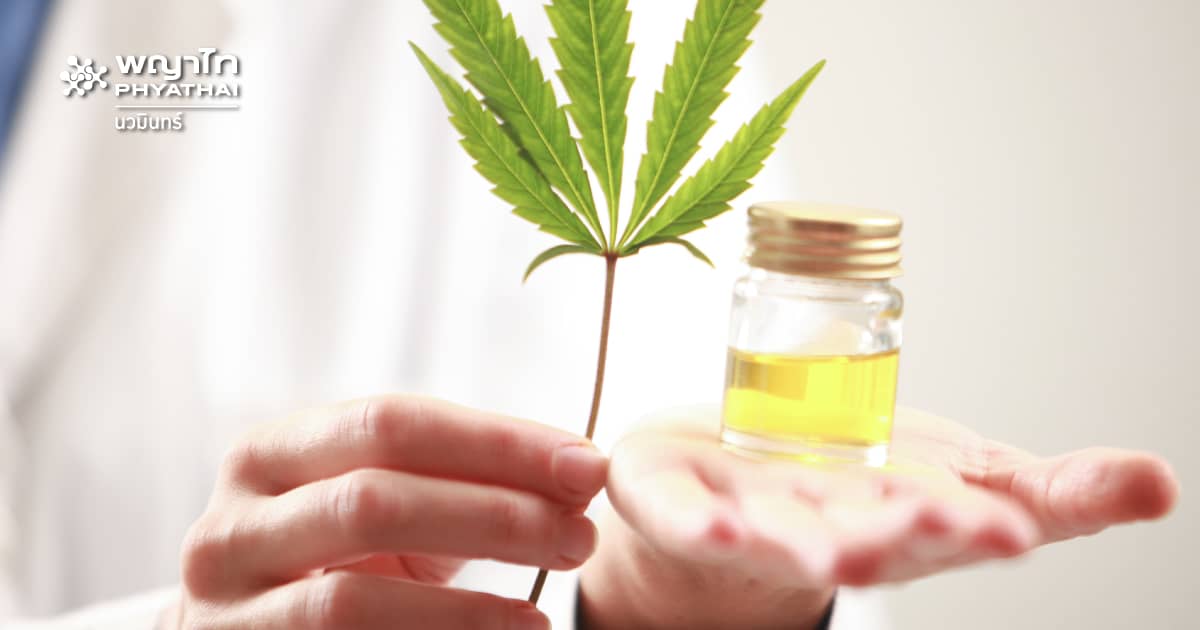
Currently, cannabis extracts are increasingly being used in medicine. Cannabis contains more than 400 bioactive compounds, with the most common being cannabinoids. There are two types with extensive medical data: Cannabidiol (CBD) and Tetrahydrocannabinol (THC).
Both CBD and THC have been used for various health benefits. However, they can also cause harm if users lack proper knowledge or caution in their use.
Interesting Topics
- What you should know before starting to use CBD and THC cannabis extracts
- Are CBD and THC cannabis extracts dangerous?
- Contraindications and precautions when using CBD and THC
- Can medical cannabis products be purchased for personal use?
What you should know before starting to use CBD and THC cannabis extracts
Medical use of cannabis involves using substances extracted from cannabis such as CBD and THC.
Currently, there are many diseases and conditions for which there is no accepted evidence to support or reject treatment with cannabis extracts. Therefore, cannabis extracts or cannabis products should not be the first choice for treating any disease or condition in patients. Their use is considered only for specific patients, depending on the physician’s discretion, and only when necessary.
Moreover, cannabis extracts like CBD and THC can affect the action of many drugs, such as:
- Anticoagulants
- Antiplatelets
- Antipsychotics
- Anticonvulsants
Therefore, all use must be cautious and under medical supervision.
Are CBD and THC cannabis extracts dangerous?
Extracted cannabis differs from direct consumption or smoking. In medical use, CBD and THC are controlled according to legal regulations, making them less risky. The use of CBD and THC in medicine must be appropriate, with doctors prioritizing the benefits to the patient.
CBD and THC cannabis extracts may cause harm, adverse effects, and side effects if used improperly, overdosed, or used continuously for a long time. Examples include:
- Long-term use of THC may affect awareness and cognitive function and harm the developing brain in children and adolescents.
- In large amounts, THC may cause euphoria, palpitations, dizziness, hallucinations, and long-term risks of addiction or suicide.
- CBD may cause some side effects, mostly due to interactions with other medications, which can lead to nausea, vomiting, gastrointestinal upset, changes in eating behavior, fatigue, weight loss, dizziness, or diarrhea.
Contraindications and precautions when using CBD and THC
Children, pregnant women, breastfeeding women, the elderly, and patients with chronic diseases should not use cannabis products containing CBD and THC unless directly authorized by a physician. For safety, use should strictly follow medical prescriptions. Other contraindications and precautions include:
- THC extracts should not be used by individuals under 25 years old.
- Using cannabis extracts in patients with brain diseases without consulting a doctor may cause treatment problems and confusion in treatment planning.
- THC can cross the placenta to the fetus; therefore, pregnant women should not use it.
- Cannabis extracts should not be used in patients with severe heart disease, stroke, kidney disease, or schizophrenia.
Can medical cannabis products be purchased for personal use?
Although cannabis was decriminalized on June 9, 2022, and cannabis substances have been further developed and used more widely, such as cannabis oil, their use still has limits.
Cannabis extracts should be used only under a treatment plan from a physician. Patients or relatives should not purchase and use them independently because the concentration is unknown, risking overdose. Cannabis products are not generally available for sale, and patients cannot buy cannabis extracts on their own; they must go through a physician’s treatment plan.
CBD and THC cannabis extracts have both benefits and potential harms if used improperly. Therefore, using cannabis extracts for treating illnesses and diseases must be under medical supervision to be safe and should never be used beyond the physician’s instructions.
