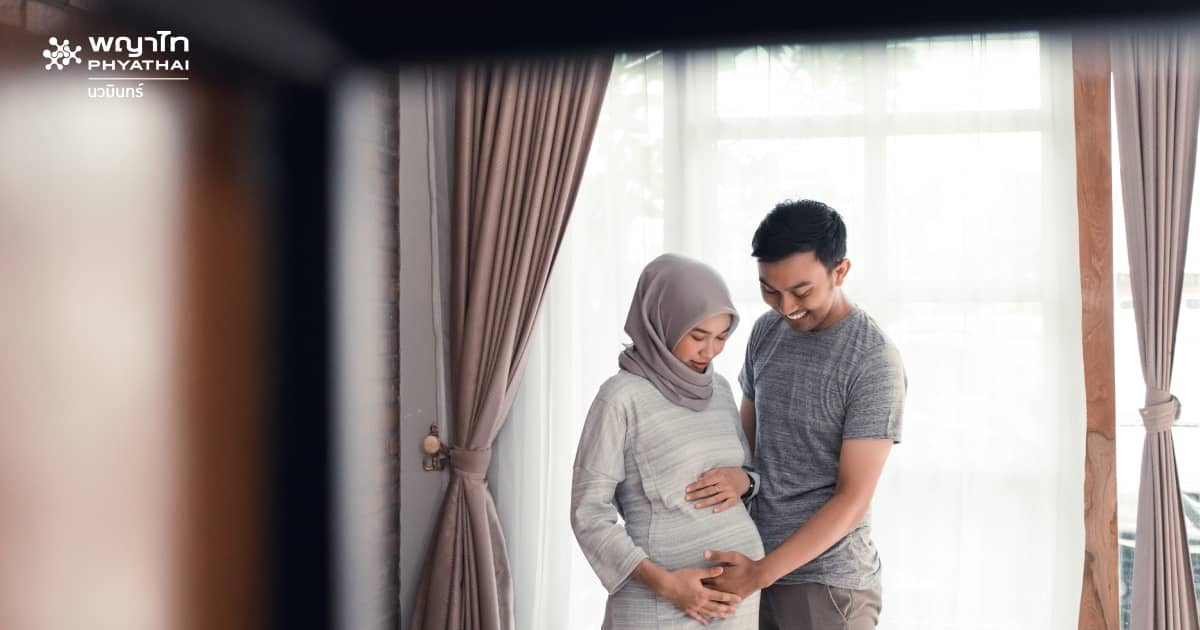
The birth of a newborn opening their eyes to the world is a significant moment filled with happiness and meaning for every family. It is the time to welcome a new family member and to begin a new role as parents, not just as husband and wife. For Muslim families, in addition to medical care, there is also strict adherence to religious practices in accordance with Islamic principles, reflecting deep faith and belief in Allah.
Preparing Expectant Mothers
Prenatal Health Checkups Regular health checkups during pregnancy are important to monitor the development of the baby and the health of the mother.
Good Nutrition Pregnant mothers should eat a balanced diet with complete nutrients. Drinking enough water is also important to maintain bodily health.
Exercise and Rest Appropriate exercise and sufficient rest help strengthen the body and prepare for childbirth, such as light walking or prenatal yoga.
Birth Preparation Discuss with the medical team about the preferred method of delivery, whether natural birth or cesarean section, and make a birth plan to ensure that the mother’s needs and religious beliefs are respected.
Childbirth for Muslim Mothers According to Religious and Medical Principles
Childbirth can be divided into two main methods: natural birth and cesarean section. The choice of delivery method should be based on the doctor’s diagnosis, considering the condition of the mother to ensure the safety of both mother and baby.
According to Islamic principles, the protection of life is paramount. If the mother cannot deliver naturally and the doctor assesses that a cesarean section is necessary, it can be performed without conflicting with religious principles.
However, if the mother had her first child by cesarean section and wishes to have a natural birth for the second child, there may be risks because the uterine scar from the first cesarean may not be strong enough to withstand contractions during labor, which could lead to uterine rupture. Therefore, for the safety of both mother and baby, it is recommended that mothers who have had a cesarean section deliver subsequent children by cesarean as well. This method reduces the risk of harm to both mother and child.
Providing Confidence to Mothers During Labor
Reciting du’a (prayers) during labor pain is permissible to seek help and protection from Allah during times of pain or difficulty. The du’a that can be recited at this time is
Du’a for Seeking Help
اللَّهُمَّ لَا سَهْلَ إِلَّا مَا جَعَلْتَهُ سَهْلًا وَأَنْتَ تَجْعَلُ الْحَزْنَ إِذَا شِئْتَ سَهْلًا
“Allahumma la sahla illa ma ja’altahu sahla, wa anta taj’alul hazna iza shi’ta sahla”
(O Allah, there is no ease except what You make easy, and You make the difficult easy if You will.)
General Du’a for a Safe Delivery
رَبِّ يَسِّرْ وَلا تُعَسِّرْ وَتَمِّمْ بِالْخَيْرِ
“Rabbi yassir wa la tu’assir wa tammim bil khair”
(O Lord, make it easy and do not make it difficult, and complete it with goodness.)
Reciting these du’as or other appropriate prayers can help calm the mind and strengthen faith in Allah during difficult times.
Preparing for Postpartum Care
When a baby is born, it is customary to recite the “Adhan” (call to prayer) near the baby’s right ear and the “Iqamah” (call to commence prayer) near the left ear. This practice is believed to introduce the baby to the worship of Allah from birth. Besides religious practices, medical care and breastfeeding are important parts of care to ensure the baby’s health and well-being.
Postpartum Physical Examination Mothers should have a physical examination by a doctor to assess their general condition and check uterine contractions to detect complications such as bleeding or infection. The doctor will provide advice on self-care, wound care (if cesarean section was performed), and medication use.
Wound Care If the mother had a cesarean section, proper care of the surgical wound is important. Keep the wound clean and follow the doctor’s instructions to reduce the risk of infection. Rest and avoiding heavy lifting will help the wound heal faster.
Initiating Breastfeeding Breastfeeding is the best way to provide complete nutrition and strengthen the baby’s immune system. Starting breastfeeding immediately after birth helps the baby receive colostrum, which is rich in nutrients and immunity boosters.
Nutrition and Diet Mothers who breastfeed should eat a balanced and sufficient diet to ensure the body can produce enough quality milk.
Emotional Support After childbirth, mothers may experience emotional changes and stress. Support from family or friends helps mothers feel comfortable and not isolated. If a mother experiences postpartum depression, she should consult a doctor or psychologist for appropriate help and advice.
Postpartum care is an important step to help mothers and babies maintain good health and be ready to start a new life strong and complete. Focusing on both physical and mental care helps mothers confidently handle any challenges that may arise. At Phyathai Nawamin Hospital, we are ready to provide close care and consultation according to Islamic principles, covering every stage from pre-pregnancy preparation, prenatal care, to postpartum care, ensuring Muslim mothers have a safe and meaningful childbirth experience.
