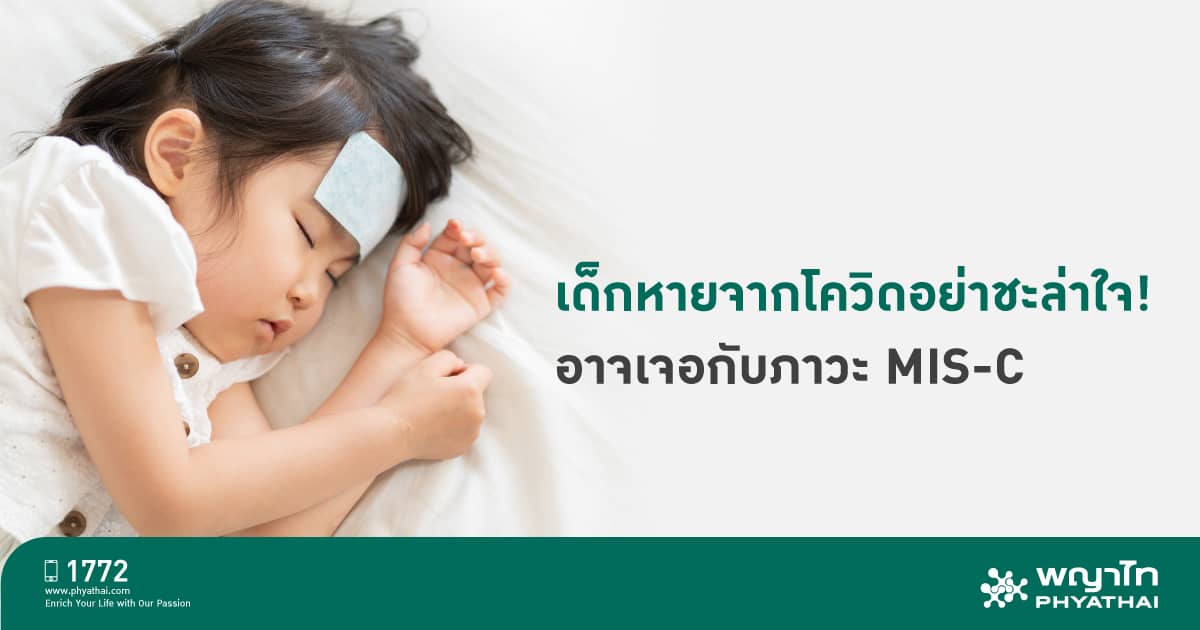
When children get infected with COVID-19, it is already scary, but did you know that what follows afterward can be even more frightening? What we are talking about is MIS-C (MIS-C) or Multisystem Inflammatory Syndrome in Children. Let’s see how serious this condition is and why it can be so severe that it can lead to death.
MIS-C: A Dangerous Condition After Recovering from COVID
MIS-C is a systemic inflammatory condition that occurs after COVID-19 infection. It is an inflammatory syndrome that can affect multiple systems in the body, caused by the immune system in children overreacting while fighting the COVID virus, which then damages other body systems. This leads to abnormalities in more than two body systems. Symptoms can appear from the period after recovering from COVID up to 2-6 weeks post-infection. According to statistics from the National Institute of Child Health, Department of Medical Services, Ministry of Public Health, there are currently more than 100 reported cases of children with MIS-C nationwide.
Key Observation… When MIS-C Looks Similar to Kawasaki Disease
Because the symptoms of MIS-C are quite similar to Kawasaki Disease, which include high fever, rash, red eyes, and red lips, it can cause confusion among parents and caregivers. One key observation is that MIS-C often presents with gastrointestinal symptoms and abnormal heart function, and there is a higher risk of shock. What clearly distinguishes MIS-C from Kawasaki Disease is blood tests and heart ultrasound. Additionally, Kawasaki Disease usually occurs in children under 5 years old, while MIS-C tends to occur in children aged 8-10 years and older. However, children under 8 years old should not be overlooked as they can also develop this systemic inflammatory condition.
Initial Check List! These Symptoms May Indicate MIS-C
As mentioned, MIS-C is a systemic inflammatory condition affecting multiple systems such as the heart, lungs, brain, eyes, skin, and gastrointestinal tract. In the early stages, children with MIS-C often have fever, vomiting, and diarrhea, which may lead parents or caregivers to think it is a gastrointestinal infection. Usually, the disease progresses rapidly, and within just one week, symptoms involving other systems appear, such as rash on the body, red eyes, difficulty breathing, or in some cases, shock.
<span=””>Therefore, parents should carefully observe their child’s symptoms. If these symptoms occur, especially after COVID infection, they should promptly take the child to see a doctor for diagnosis and treatment before the condition worsens or complications arise that could be life-threatening.
- High fever of 38°C or above
- Rash on the body
- Headache, lethargy, or seizures
- Red eyes
- Red lips, dry cracked lips, abnormally large taste buds on the tongue
- Swollen lymph nodes in the neck
- Difficulty breathing, shortness of breath
- Abdominal pain, diarrhea, intestinal inflammation
- Vomiting
When There Is No Specific Medicine… Focus on Supportive Care
Currently, there is no specific medication to treat MIS-C, so treatment is symptomatic and involves anti-inflammatory drugs. Most commonly, immunoglobulins are administered—special antibody proteins produced by plasma cells that are part of the body’s immune system. Immunoglobulins protect the body by attaching to bacteria and viruses, making it easier for the body to eliminate them. In some cases, doctors may consider prescribing immunosuppressive drugs to prevent the immune system from overreacting and damaging various body systems.
Although MIS-C does not occur frequently, it is as dangerous as COVID infection and may even be more severe. However, vaccination can reduce the severity and occurrence of MIS-C by 91-100%, and health check-ups after COVID infection can help monitor and manage the risk.