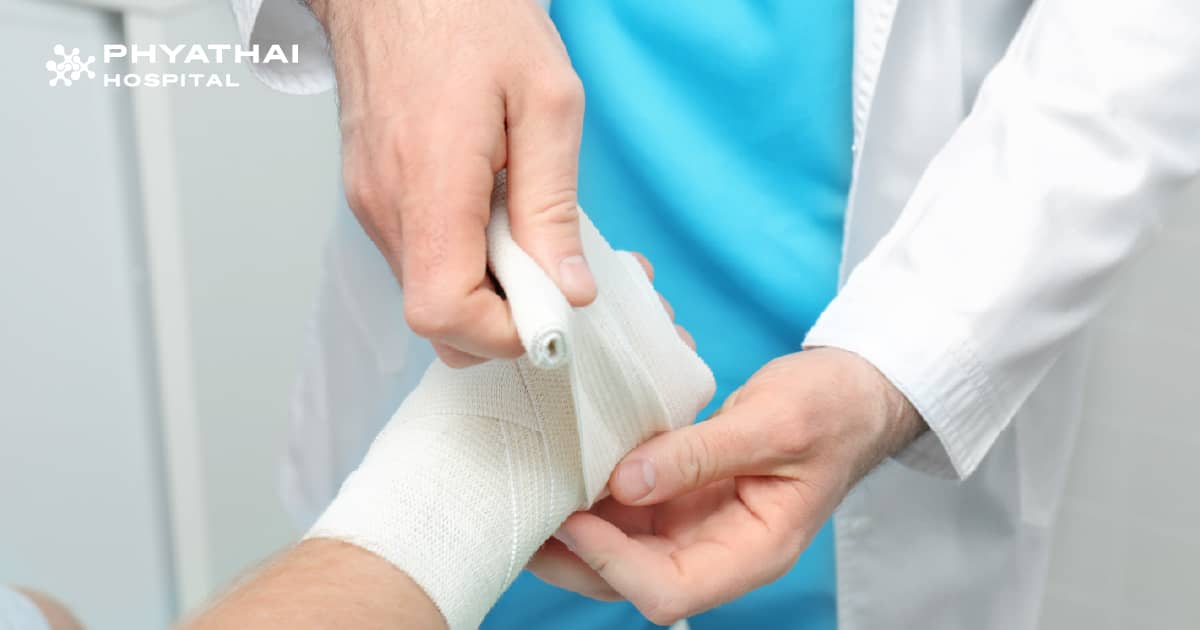
Understanding the difference between wounds that heal normally and those that become chronic is essential for anyone living with persistent injuries. While most cuts and scrapes heal within weeks, chronic wounds can persist for months or years, significantly impacting daily life and overall health. At Phyathai Hospital, we specialize in treating complex wounds that have failed to heal through conventional methods, offering hope and advanced treatment options for patients who may have struggled with non-healing wounds for extended periods.
This article will delve into the causes, risk factors, and dangers associated with chronic wounds, equipping you with the knowledge to identify and manage them effectively.
Key Takeaways
- Classifying wounds as acute or chronic is crucial for determining the correct treatment and healing timeline.
- Chronic wounds can stem from various factors including diabetes, poor circulation, pressure, infections, or underlying health issues.
- Untreated chronic wounds can lead to severe outcomes such as amputation, systemic infection, and life-threatening complications.
- Effective wound treatment involves addressing underlying causes, managing risk factors, and providing continuous support beyond just wound care.
สารบัญบทความ
- Types of Wounds
- Acute vs. Chronic Wounds: Differentiating Healing Processes
- What is chronic wound?
- Causes of chronic wound
- Who is at Risk for Chronic Wounds?
- The Dangers of Poorly Managed Chronic Wounds
- Turning the Tide: The Future of Chronic Wound Care
- chronic wound at Phyathai Hospital
Types of Wounds
Effective treatment of chronic wounds necessitates a comprehensive understanding of wound types. Classifications impact the healing process and determine whether a wound remains acute or becomes chronic. Generally, wounds can be classified based on the nature of the injury into two main categories
- Closed Wounds (Non-Penetrating Injuries): No visible skin breaks, but underlying tissue and capillary damage from blunt force. Swelling, bruising, hematoma, and potential deep tissue injury can significantly impact the wound healing process and lead to chronic conditions.
- Open Wounds (Penetrating Injuries): Visible skin breaks expose tissues, risking infection and progression to chronic wounds. Types include lacerations (cuts), abrasions (scrapes), puncture wounds (deep, narrow), and burns/scalds (thermal).
Acute vs. Chronic Wounds: Differentiating Healing Processes
The distinction between acute vs chronic wounds is fundamental in medical treatment, as it determines the entire approach to care and expected outcomes.
- Acute Wounds
Acute wounds are wounds that heal normally, progressing through all four phases of wound healing within expected timeframes, typically 2-4 weeks. They show rapid, orderly healing (hemostasis, inflammatory, proliferative, remodeling) with minimal complications and predictable outcomes to standard care. Examples include surgical incisions, minor cuts, scrapes, and most traumatic injuries in healthy individuals.
- Chronic Wounds
A chronic wound deviates from normal healing, stuck in the inflammatory phase, failing to progress. Key characteristics include extended healing (beyond 4-6 weeks), stalled progress, compromised new tissue generation, and recurring breakdown.
What is chronic wound?

A chronic wound is a wound that fails to progress through a normal, orderly, and timely sequence of repair, or does not restore anatomical and functional integrity, typically within three months. This contrasts with acute wounds, which heal predictably and quickly.
Normal wound healing unfolds in four distinct phases: hemostasis/coagulation, inflammation, proliferation, and maturation/remodeling. Conversely, chronic wounds frequently become arrested in their healing progression, most often lingering in the inflammatory phase. This persistent stalling is commonly attributed to factors such as infection, ischemia, or the presence of necrotic tissue, leading to an overabundance of extracellular matrix and collagen degradation that impedes proper repair.
Causes of chronic wound
Chronic wounds develop when the body’s healing is hindered by factors like trauma, pressure, poor blood supply, or systemic illnesses. They are characterized by inflammation, infection (including biofilms), and senescent cells.Key types of chronic wounds and their primary causes include
- Arterial ulcers result from poor circulation and ischemia, typically on distal extremities.
- Diabetic ulcers caused by neuropathy, peripheral arterial disease, and pressure on the foot. They are the most common cause of lower extremity amputations.
- Pressure ulcers, localized injury over bony prominences due to sustained pressure and shear force, common in those with limited mobility.
- Venous ulcers result from venous hypertension and blood pooling in the lower extremities. They are the most common type of chronic wound, accounting for 70% to 90% of cases.
- Other contributing factors include age, immune suppression, malignancy, and damage to the periwound skin.
Who is at Risk for Chronic Wounds?
While anyone can develop a chronic wound if injuries aren’t properly managed, certain individuals face significantly higher risks. Understanding these risk factors is crucial since they directly impact the wound healing process and can prevent wounds from progressing normally through the four phases of wound healing. Medical conditions that can increase the likelihood of chronic wounds include:
- Vascular diseases
- Diabetes
- Heart diseases
- Liver cirrhosis
- Kidney failure
- Malnutrition
- Anemia
The Dangers of Poorly Managed Chronic Wounds

Inadequate care of chronic wounds halts normal healing, leading to severe complications. Unlike acute wounds, untreated chronic wounds pose escalating risks.
Poor management disrupts the four phases of wound healing, causing persistent inflammation, expanding infection, and increased tissue death (necrosis). Without intervention, chronic wounds experience stalled new tissue formation, disrupted healing stages, and significantly prolonged recovery. The most severe outcomes include amputation, systemic sepsis, and ultimately, mortality risk.
Turning the Tide: The Future of Chronic Wound Care
Utilizing modern technology, the center employs techniques to remove necrotic tissue with minimal damage to surrounding healthy tissue. We also utilize specially designed wound dressings tailored to various conditions and lifestyles, allowing for less frequent dressing changes while promoting faster healing and better outcomes through Advanced Wound Care Center technology. This approach aids in healing chronic wounds and reduces the chances of scarring in the future.
In addition to wound care, the Advanced Wound Care Center provides holistic health management through a team of physicians, physical therapists, and skilled nurses to prevent and minimize the risk of future wounds.
chronic wound at Phyathai Hospital
Chronic wounds can significantly impact quality of life, particularly for expatriates managing career demands and adapting to life in Thailand. However, with proper medical care, most chronic wounds can be successfully treated, allowing you to return to your active lifestyle.
If you’re dealing with a wound that won’t heal, don’t let it become a long-term problem that affects your life in Thailand. Early intervention by our specialized wound care team can prevent complications and accelerate healing.
Contact Phyathai Hospital today to schedule a comprehensive wound assessment. Our multilingual staff will ensure you understand every aspect of your treatment plan, helping you make informed decisions about your healthcare while living in Thailand.
- Call Center 1772 (press 9 for ENG)
- Email: [email protected]
- Facebook Page: Expat Health & Wellness by Phyathai
References (3-5 แหล่งอ้างอิง)
- Bowers, S., & Franco, E. (2020). Chronic Wounds: Evaluation and Management. American Family Physician, 101(3), 159–166. https://www.aafp.org/pubs/afp/issues/2020/0201/p159.html
- Chronic Wound Breakdown: Most Common Types of Chronic Wounds. (2019, March 22). WoundSource. https://www.woundsource.com/blog/chronic-wound-breakdown-most-common-types-chronic-wounds
- IPC Topic: Infection Control in Wound Care. (n.d.). HHS. https://www.hhs.nd.gov/sites/www/files/documents/DOH%20Legacy/HAI/OutlineWoundCareIPC.pdf