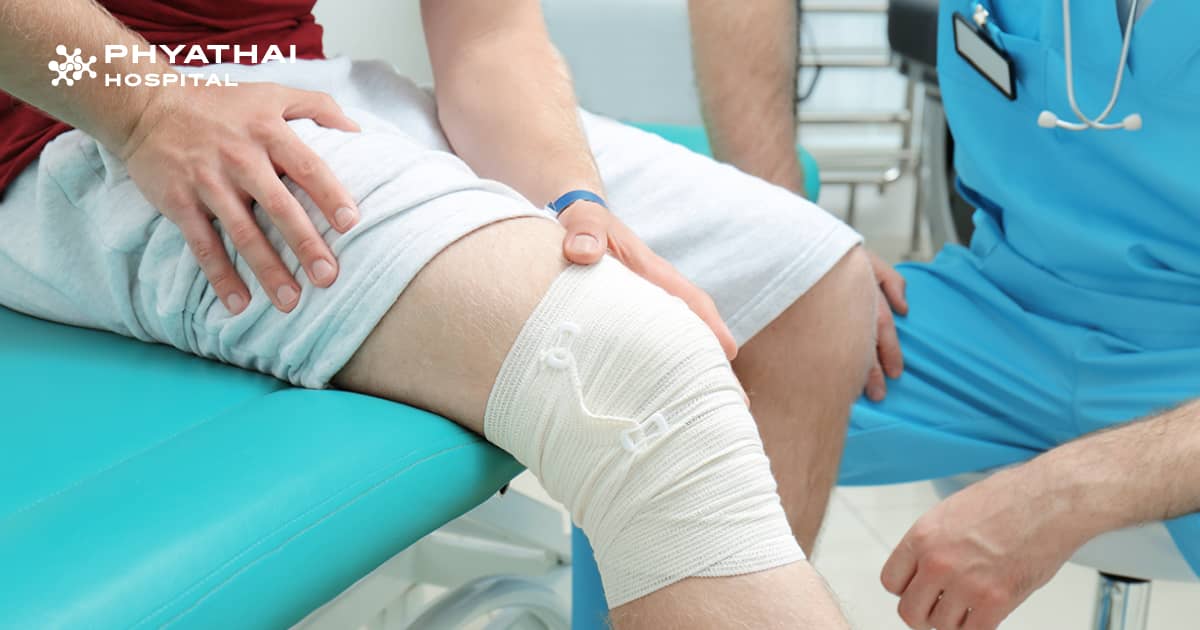
Knee replacement surgery is a highly successful procedure designed to treat severe knee pain and mobility issues. Understanding the necessity of the operation, the potential risks, the preparation required, and what to expect during recovery is essential for anyone considering this life-changing surgery.
Key Takeaways
- The main purpose of knee replacement surgery is to reduce severe joint pain and disability, primarily caused by arthritis (like osteoarthritis), when non-surgical treatments have failed.
- The goal of knee surgery is to replace damaged surfaces with an artificial prosthesis to restore function.
- Before and after knee replacement surgery, the outcome is a significant reduction in pain and a better quality of life. The replacement joint typically lasts 15 to 20 years, allowing a return to low-impact activities (e.g., walking, swimming).
Table of Contents
- Risks of knee replacement surgery
- Prepare for knee replacement surgery
- Results of knee replacement surgery
- Recovery after knee replacement surgery
- Knee replacement surgery at Phyathai Hospital
Why is it done?
The primary reason for knee replacement surgery is to reduce joint pain and disability, most often caused by arthritis. Conditions like osteoarthritis cause the protective cartilage in the knee to wear away, leading to bones rubbing together. This results in severe pain and stiffness, making simple everyday activities extremely difficult such as walking, climbing stairs, or getting out of a chair.
Knee replacement is typically recommended when this knee pain is incurable, and when all non-surgical treatments like medication and injections have failed to provide relief. The goal of the knee surgery is to replace the damaged joint surfaces with an artificial prosthesis to restore function, improve mobility, and correct any knee deformity.
Risks of knee replacement surgery
knee replacement surgery and knee arthroplasty are like any major operation such as spine surgery, involving potential risks and complications. These risks include
- Blood Clots : Blood clots are a serious risk, most commonly forming in the leg. If they travel to the lungs, they can be life-threatening. Surgeons often prescribe blood-thinning medication to help prevent this complication of knee replacement surgery.
- Infection : Infection can occur at the surgical incision site or deep within the tissue around the new joint. In some cases, a second surgery is required to treat the infection effectively.
- Nerve Damage : Nerves near the implant site may be injured during the procedure. This can result in symptoms such as numbness, weakness, or pain in the affected area.
- Implant Problems : The artificial implants are durable, but they are subject to loosening or wearing out over an extended period. Should this occur, another operation (revision surgery) may be necessary to replace the worn or loose components.
Prepare for knee replacement surgery
Preparing for your operation and knee replacement surgery recovery is crucial for a smooth outcome. Your preparation should focus on medical adjustments and making your home safe and accessible.
- Stop taking certain medicines and dietary supplements as advised by your healthcare team.
- Do not eat anything (fast) after midnight on the day before your surgery.
- Arrange to get a walker or crutches since you will need them for several weeks after the procedure.
- Secure a ride home from the hospital and arrange for help with daily tasks (cooking, bathing, laundry) during recovery.
- Modify your home to prevent falls and simplify movement such as create a single-level living space to avoid using stairs.
Results of knee replacement surgery

The before and after knee replacement surgery results are positive for most people, leading to pain relief, improved mobility, and a better quality of life. You can generally expect a modern knee replacement to last at least 15 to 20 years.
After you’ve recovered from knee replacement surgery, you can safely return to many low-impact activities, including walking, swimming, golfing, or biking. However, you should avoid high-impact activities that involve jumping, contact, or jogging to protect the artificial joint. Always consult your healthcare team for advice on how to stay active safely.
Recovery after knee replacement surgery
The knee replacement surgery and total knee replacement recovery begins immediately after surgery and is a crucial phase focused on pain management, mobilization, and prevention of complications. While many patients may stay overnight or longer in the hospital, the priority is to get the patient moving safely.
1. Pain Management
You will experience pain as a natural part of healing. Your care team will use a combination of medications, such as nonsteroidal anti-inflammatory drugs (NSAIDs), acetaminophen, and possibly opioids (used sparingly due to addiction risk), to effectively reduce discomfort and speed up recovery. Regional nerve blocks may also be used.
2. Blood Clot Prevention
Measures are actively taken to prevent blood clots. These include encouraging early foot and ankle movement, using support stockings or inflatable leg coverings (compression boots), and prescribing blood thinners for several weeks.
3. Physical Therapy (PT)
You will start exercising the knee just hours after surgery. A physical therapist will guide you through specific exercises to rebuild leg strength and restore knee movement, helping you walk and resume daily activities as soon as possible.
4. Preventing Pneumonia
To counter shallow breathing from anesthesia and pain medication, nurses will encourage you to take frequent deep breaths, sometimes using a device called a spirometer, to prevent lung complications like pneumonia.
This measure is vital as reduced mobility after surgery and the effects of pain relief can cause secretions to pool in the lungs, increasing the risk of infection. Deep breathing helps clear the airways.
Knee replacement surgery at Phyathai Hospital
Knee replacement surgery is a primary treatment to reduce joint pain and chronic disability caused by arthritis (Osteoarthritis), which results from cartilage deterioration. While there are risks like blood clots and infection, the typical outcome is a better quality of life. Modern artificial joints can last for 15 to 20 years. Recovery focuses on pain management, physical therapy, and blood clot prevention to help patients regain mobility as quickly as possible.
For expatriates and foreigners residing or working in Thailand, we recommend considering treatment at Phyathai Hospital. It is an international standard hospital with a dedicated “Partner for Life” team and staff who can communicate in over 20 languages, including English, Chinese, and Arabic. You can be confident in receiving high-quality medical care and consultations smoothly, without worrying about language barriers.
- Call Center 1772 (press 9 for ENG)
- Email: [email protected]
- Facebook Page: Expat Health & Wellness by Phyathai
References (3-5 แหล่งอ้างอิง)
- Mayo Clinic Staff. (2024, November 15). Knee replacement. Mayo Clinic. https://www.mayoclinic.org/tests-procedures/knee-replacement/about/pac-20385276
- Neil P. Sheth, MD, FAAOS. (2024, February). Total Knee Replacement. https://orthoinfo.aaos.org/en/treatment/total-knee-replacement/
- Knee Replacement. (2023, July 7). Cleveland Clinic. https://my.clevelandclinic.org/health/treatments/8512-knee-replacement