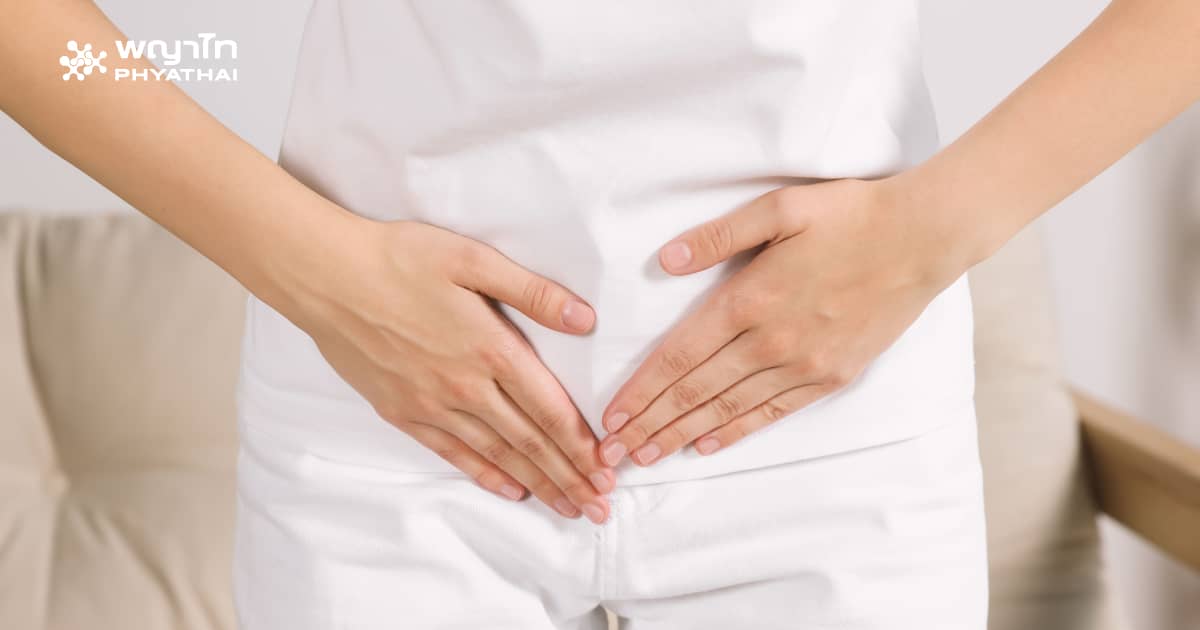
Cystitis can occur in both women and men, but it is most commonly found in office women who work without frequently leaving their desks, tend to hold their urine for a long time, or those who travel long distances and avoid using public restrooms. It is also related to insufficient daily water intake. When symptoms appear, many people often choose to endure the pain or buy medication themselves because they consider it a minor issue or feel embarrassed to see a doctor. But did you know? Cystitis should not be overlooked as it can cause severe infections and lead to other diseases.
Interesting Topics
- Get to Know… ‘Cystitis’
- Checklist! Symptoms ofCystitis
- What CausesCystitis
- Diagnosis and Treatment ofCystitis
- How to Take Care of Yourself to Avoid ‘Cystitis’
Get to Know… ‘Cystitis’
Urinary Tract Infection (UTI) or cystitis is a disease caused by inflammation of the urinary tract organs due to infection, mostly bacterial infection. About 75-95% are caused by E. coli bacteria. It is more common in women than men because women have a shorter urethra, about 4-5 centimeters long, and the area around the anus is close to the urethral opening, making it easier for infections and inflammation to occur.
Checklist! Symptoms ofCystitis
- Lower abdominal discomfort
- Urinary incontinence
- Irritation, pain, or burning sensation during urination
- Frequent urination but unable to fully empty the bladder
- Blood in urine or blood mixed at the end of urination
What CausesCystitis
- Frequent urine holding behavior causes bacteria to multiply and increases pressure in the bladder, causing the bladder lining to contract and bacteria to embed in the bladder, leading to inflammation.
- Improper or careless cleaning of the female genital area. After using the restroom, one should wash or wipe from front to back to prevent bacteria from the anus from entering the urethra.
Diagnosis and Treatment ofCystitis
Diagnosis The doctor will take a medical history and perform a physical examination, which may reveal tenderness in the lower abdomen. Urine tests may be conducted to check for the presence of red or white blood cells, as well as the color and concentration of the urine.
Treatment forcystitis involves antibiotics, antispasmodic drugs, and behavioral adjustments such as not holding urine and proper hygiene after using the restroom. Patients should not self-medicate as they may take inappropriate antibiotics, leading to drug resistance.
How to Take Care of Yourself to Avoid ‘Cystitis’
- Do not hold urine for long periods during the day to flush out bacteria from the body
- Drink clean water frequently and sufficiently
- Clean the genital area properly every time after urination or defecation
- Clean the body and genital area immediately after sexual intercourse
Cystitis is not a minor issue but something to be cautious about, especially in working women who are most commonly affected. It can be caused by various factors but can be prevented by changing daily habits. Cystitis is a behavior-related disease. Repeated infections increase the chance of drug-resistant bacteria, requiring stronger antibiotics, and it can develop into pyelonephritis (kidney infection).