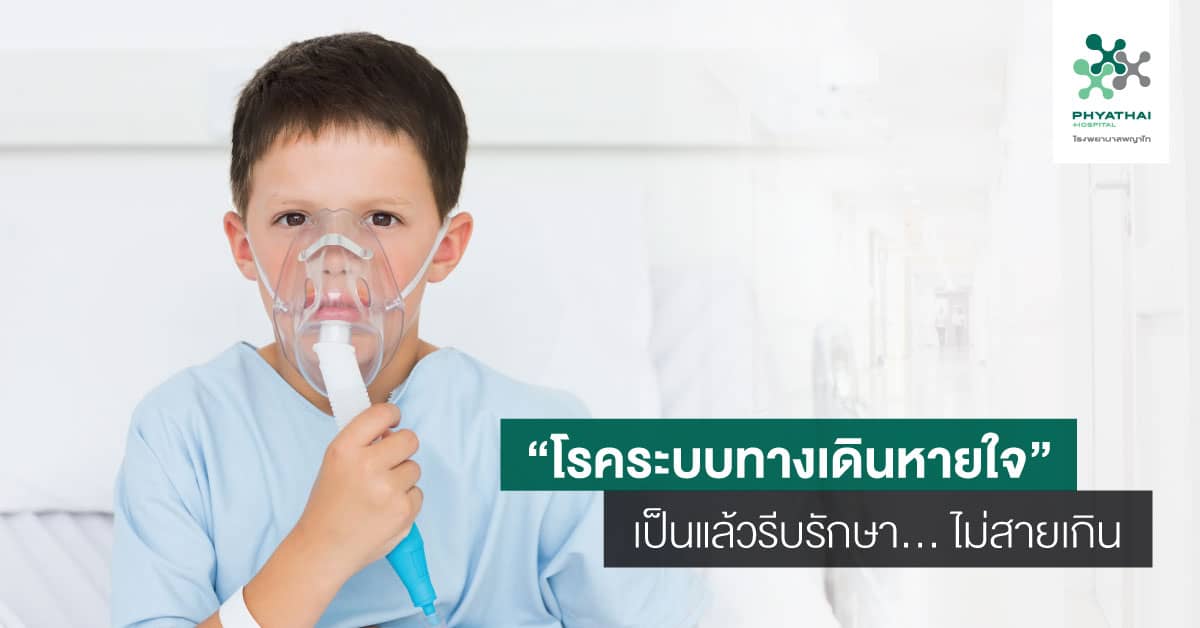
During the rainy season, when it rains frequently, the humidity in the air increases. However, some days can be hotter than usual, causing the body to struggle to adapt. Additionally, the rainy season often sees outbreaks of viruses that cause various respiratory diseases, leading to more respiratory infections among children as well as parents. Common respiratory diseases in children can be simply classified into upper respiratory tract diseases and lower respiratory tract diseases as follows.
“Common Cold” – An Upper Respiratory Tract Disease Not to Be Overlooked
The most common upper respiratory tract disease is the common cold, accounting for about 60-70% of upper respiratory tract infections. This disease is caused by viruses, and in fact, there are more than 200 types of viruses that cause respiratory diseases. It can also sometimes be caused by bacteria.
Viral colds cause symptoms such as fever, headache, body aches, sore throat, coughing, sneezing, nasal congestion, eye irritation, tearing, and red eyes. Most symptoms last about 5-7 days and then resolve normally. If the cold is caused by bacteria, patients often have a high fever, chills, cough, sore throat, and runny nose. The nasal discharge is usually greenish-yellow from the first day of illness. Lymph nodes in the neck may be swollen and tender to the touch.
Lower Respiratory Tract Diseases… What You Need to Know
This section will discuss bronchitis and pneumonia, which are common diseases with symptoms ranging from mild to severe. Bronchitis can be caused by various factors such as infections, allergies, and irritation from chemicals, but here we will focus only on infectious bronchitis.
Generally, it starts with cold-like symptoms such as fever and clear nasal discharge, followed by coughing. Initially, the cough is dry, then it progresses to coughing up clear or yellow sputum, depending on the type of pathogen causing the symptoms. It can be caused by both viruses and bacteria. Coughing is the main symptom that brings patients to see a doctor. Some report coughing so much that they vomit or cannot sleep. Sometimes, wheezing may also be present.
Pneumonia is more common and often more severe in children than adults. It is the leading cause of death from infectious diseases in children under 5 years old. Symptoms include fever, cough, rapid breathing, or difficulty breathing. Young children often become more irritable than usual and refuse to eat or drink. The cause is usually infection, which can be viral or bacterial. It can also result from aspiration of food, water, or chemicals, leading to secondary infections. Repeated pneumonia in children may cause permanent respiratory abnormalities, such as bronchiectasis, which reduces quality of life and requires lifelong treatment.
Respiratory Diseases – Seek Treatment Immediately… It’s Never Too Late
Indications for urgently bringing a child with respiratory infection to see a doctor include:
-
- Children who are very young, especially under 3 months old
- High fever, rapid breathing, or difficulty breathing
- Sore throat or greenish-yellow nasal discharge accompanied by a high fever of 38.5°C or higher
- Pain in the nasal sinuses
- Refusal to eat or drink
- Symptoms not improving within 1 week
Be Informed to Prevent Respiratory Diseases
It can be seen that during the rainy or cold seasons, children suffer from respiratory problems more frequently and in greater numbers. This is partly due to weather conditions that favor the growth and spread of pathogens. If parents and caregivers want to prevent their children from getting respiratory diseases, appropriate care should be provided to prevent infections, such as keeping the home environment clean, avoiding crowded or congested places, washing hands before eating snacks or meals, exercising, and eating a balanced diet with all five food groups. These measures help reduce the risk of infection. Additionally, there are many vaccines available today that effectively prevent respiratory infections with satisfactory results. If possible, consult a doctor about vaccination.
Dr. Siripim Penchat
Pediatric Respiratory Specialist
Child and Adolescent Health Center, Phyathai 1 Hospital
