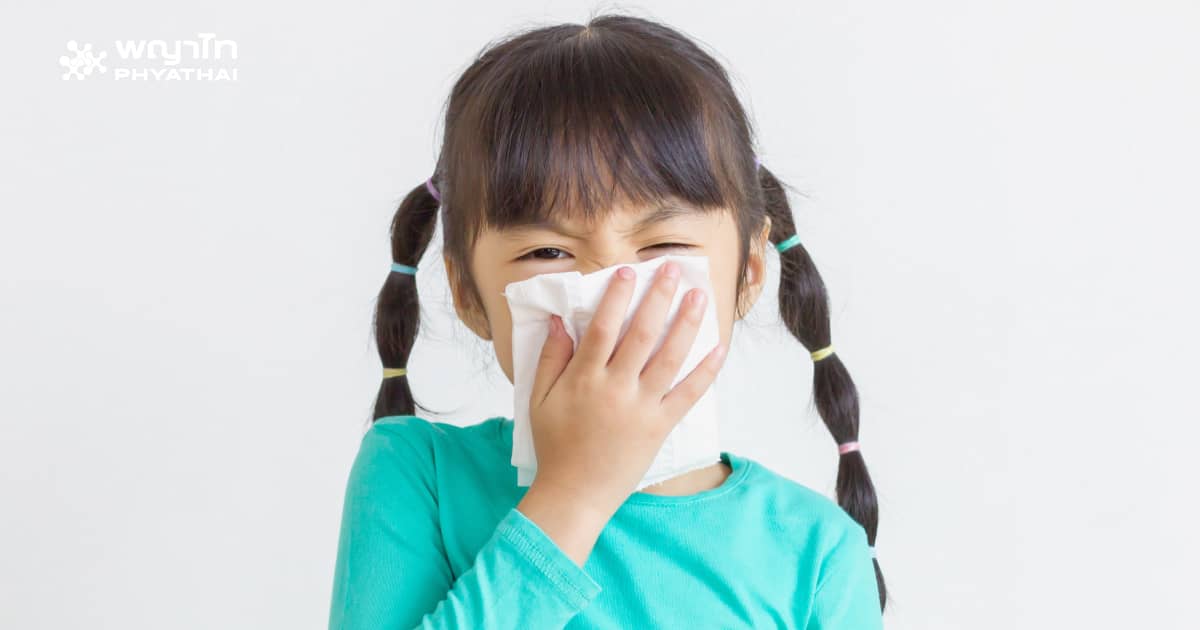
RSV (Respiratory Syncytial Virus) is a type of virus that causes respiratory tract infections, commonly found especially during the rainy season. It can be easily transmitted through contact with secretions such as nasal mucus, phlegm, or close contact. People infected with RSV can be of any age, but it is most common in children and infants, who are more likely to experience severe symptoms and complications.
Symptoms of RSV Infection
Symptoms of RSV infection usually start like a common cold, including runny nose, fever, cough, and sneezing. As the disease progresses, it can lead to lower respiratory tract inflammation such as bronchitis, bronchiolitis, or pneumonia, causing more severe symptoms like increased coughing with phlegm, rapid or difficult breathing, or respiratory failure. This is especially true for young children or those with underlying conditions such as chronic lung disease, asthma, heart disease, immunodeficiency, or premature infants, who are considered high-risk groups for severe symptoms.
Symptoms That Require Immediate Medical Attention
- Shortness of breath, breathing faster than normal
- Excessive nasal mucus or phlegm cough, noisy breathing
- Blue or purple lips or body due to oxygen deprivation
- High fever, lethargy
- Poor intake of food, water, or milk, or signs of dehydration
Treatment of RSV Infection
Currently, there is no specific antiviral treatment. Therefore, treatment focuses on symptom relief and supportive care. Symptoms usually improve within about 1-2 weeks. In severe cases, close monitoring and care in an intensive care unit may be necessary.
Prevention of RSV Infection in Children
Everyone in the family can help prevent RSV infection and its spread as follows:
- Wash hands thoroughly and frequently to reduce infection risk
- Avoid taking children to crowded places, playgrounds, or congested areas
- Avoid playing with or touching children or individuals suspected of being infected
- Regularly clean children’s toys and bedrooms
- Maintain good health by eating a balanced diet, exercising, and getting enough rest
