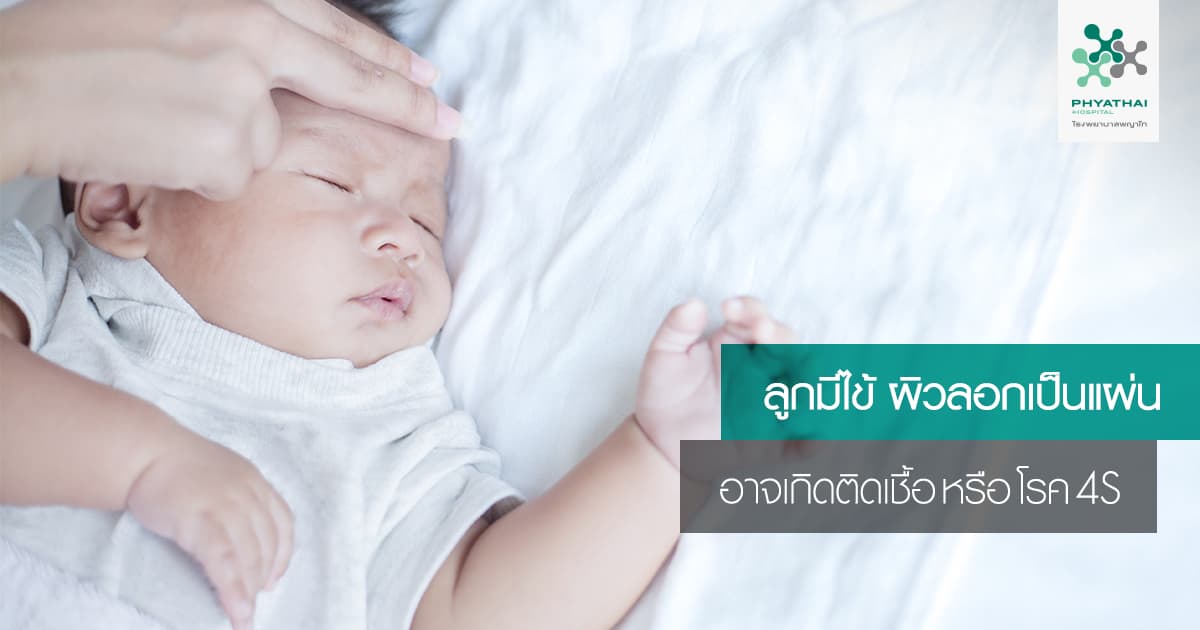
Illness in newborns… is something that parents must be very vigilant about because the bodies of newborns do not have as strong immunity against diseases as adults do. For example, 4S disease or Staphylococcal Scalded Skin Syndrome is another dangerous skin disease for children. So how can parents protect their little ones from this frightening threat? We have advice from Dr. Urarom Panthumaphol, a neonatologist and perinatologist at Phyathai 2 Hospital.
What is 4S disease or Staphylococcal Scalded Skin Syndrome?
4S disease or Staphylococcal Scalded Skin Syndrome is a skin infection caused by the bacterium Staphylococcus aureus, which may occur through contact. When infection occurs, the body releases toxins that cause a reaction to the toxins. Common sites of infection include the navel, skin, conjunctiva, nose, throat, urinary tract, and bloodstream infections.
Symptoms of 4S disease or Staphylococcal Scalded Skin Syndrome
Patients will have a fever and red rashes all over the body resembling scalds from hot water, with dry, tight skin scales like sunburn, especially in skin folds, around the mouth, and eyes. This causes the skin to peel off in sheets, with burning and painful wounds, which increases the risk of infection.
Why does 4S disease or Staphylococcal Scalded Skin Syndrome often occur in children?
Because children do not yet have immunity to the toxins, most 4S patients are newborns under 28 days old. However, adults can also be at risk, such as those with wounds or pus on their bodies, because the 4S bacteria are present on everyone’s skin. Adults’ bodies can usually protect against infection and eliminate the bacteria.
Treatment of 4S disease or Staphylococcal Scalded Skin Syndrome
Treatment involves providing fluids or saline, ensuring adequate milk intake, applying antibacterial ointments, moisturizing the skin, administering antibiotics such as Cloxacillin, and checking the conjunctiva for abnormalities. If dryness or cracking occurs, artificial tears or eyelid ointments may be used. Hospitalization is required for monitoring to prevent infection spread for at least 5-7 days in a bacteria-free room. During the early stage of 4S, bathing is not recommended as it can worsen skin dryness and cracking. Without proper treatment, complications such as bloodstream infection, pneumonia, or even death may occur.
Prevention of 4S disease or Staphylococcal Scalded Skin Syndrome
Good prevention includes maintaining body cleanliness, especially in newborns. Proper bathing techniques should be used, cleaning the navel area morning and evening or after bathing. The navel should be wiped with alcohol by lifting the umbilical cord and wiping around once to the base. If the navel is still not clean, wipe again with a new cotton swab to reduce the risk of infection.
