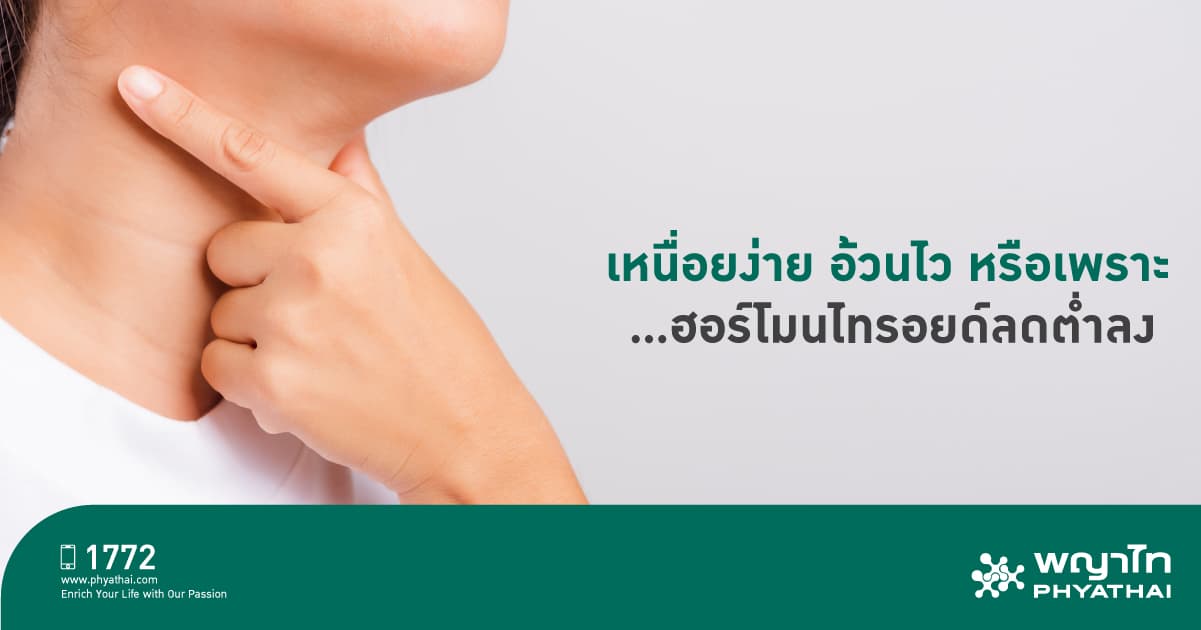
The thyroid gland is the largest endocrine gland in the body. It is butterfly-shaped and located in front of the trachea, below the larynx. The thyroid gland is responsible for producing thyroid hormones, which are essential for life. These hormones are involved in energy metabolism and regulating the body’s temperature. They also directly affect the functioning of the brain, muscles, and all other organs.
What is Hypothyroidism?
Hypothyroidism, or underactive thyroid, is a condition where the thyroid gland produces fewer hormones than the body’s normal requirements, leading to hormone deficiency. This manifests in various physical symptoms.
Symptoms to Watch for in Hypothyroidism
- Fatigue, easy tiredness, slow movements, feeling cold
- Loss of appetite
- Constipation
- Weight gain
- Swollen face, swollen eyelids, hoarse voice, rough and dry skin, dry and falling hair
- Muscle cramps
- Memory loss
- Slow pulse, high blood pressure
- High fat and cholesterol levels
- In women, irregular menstruation, which can be either absent periods or heavy periods, leading to infertility
- In children, short stature, low intelligence, enlarged thyroid gland
Causes of Hypothyroidism
- Iodine deficiency, commonly found in northern and northeastern provinces
- Chronic thyroiditis
- After treatment of hyperthyroidism with radioactive iodine or surgery
- Excessive use of medication for hyperthyroidism
- Use of certain medications for psychiatric and heart diseases
- Pituitary or brain disorders, after brain surgery or radiation therapy to the brain
Diagnosis of Hypothyroidism
Doctors will take a medical history, observe symptoms, and perform blood tests together.
Treatment of Hypothyroidism
- Treatment is done by taking thyroid hormone medication to maintain hormone levels within the normal range. Since hypothyroidism is mostly a permanent hormone deficiency, lifelong medication is necessary.
- Patients should have their thyroid hormone levels checked periodically to monitor treatment results and adjust medication.
Who Should Be Screened for Thyroid Disorders
- All newborns, because delayed treatment in children can affect their intelligence.
- People over 60 years old.
- The American Thyroid Association recommends screening women over 35 years old and every 5 years after the first screening.
- Patients at higher risk of hypothyroidism than the general population include:
-
- Patients treated with certain medications such as lithium and amiodarone, who should have periodic blood tests to monitor thyroid function.
- Those with other autoimmune diseases.
- Type 1 diabetic patients who experience abnormal symptoms should promptly see an endocrinologist for diagnosis and treatment.
Dr. Ayutthinee Singhakowin
Specialist in Endocrinology and Metabolism
Diabetes and Endocrine Center, Phyathai 2 Hospital
