The new wave outbreak of COVID-19 is the same variant that spread in the UK, which is the original COVID-19 variant with genetic mutations causing some structural changes from the original strain.
Differences between the original COVID-19 variant VS the UK COVID-19 variant
Symptoms that do not differ include
- Fever
- Runny nose
- Loss of smell
- Sore throat
- Cough
- Red eyes
- Phlegm
- Diarrhea
- Some groups may have rashes
However, the UK COVID-19 variant spreads 1.7 times faster than the original COVID-19 variant. Therefore, when people say “milder symptoms but more cases,” it means that the UK COVID-19 variant has milder symptoms but can spread faster than the original strain.
Patients who have previously been infected with the original strain can be reinfected with the UK COVID-19 variant due to decreased immunity, similar to the flu which changes strains every year.
In cases where individuals previously tested negative for COVID-19 but later test positive, this is due to the incubation period of COVID-19 being approximately 2-7 days. Symptoms begin to appear within 2-7 days after infection. Individuals without symptoms may test negative initially.
Treatment methods for the UK COVID-19 variant
Treatment methods do not differ from the original strain and are based on the severity of the disease.
For patients with mild symptoms, which account for more than 80%, treatment is symptomatic, such as:
- Using cough medicine
- Using fever reducers
- Using decongestants
For patients with severe symptoms, who are at risk of lung infection or respiratory failure, mostly elderly patients or those with underlying conditions such as diabetes, hypertension, heart disease, lung disease, or obesity. This group is treated with intubation along with antiviral drugs and other symptomatic treatments until the patient can breathe independently and the breathing tube can be removed.
In summary, for this wave of the outbreak, those at risk or who have been in contact with COVID-19 patients are advised to quarantine and isolate from others for at least 14 days. If symptoms develop during quarantine, they should promptly see a doctor for diagnosis.
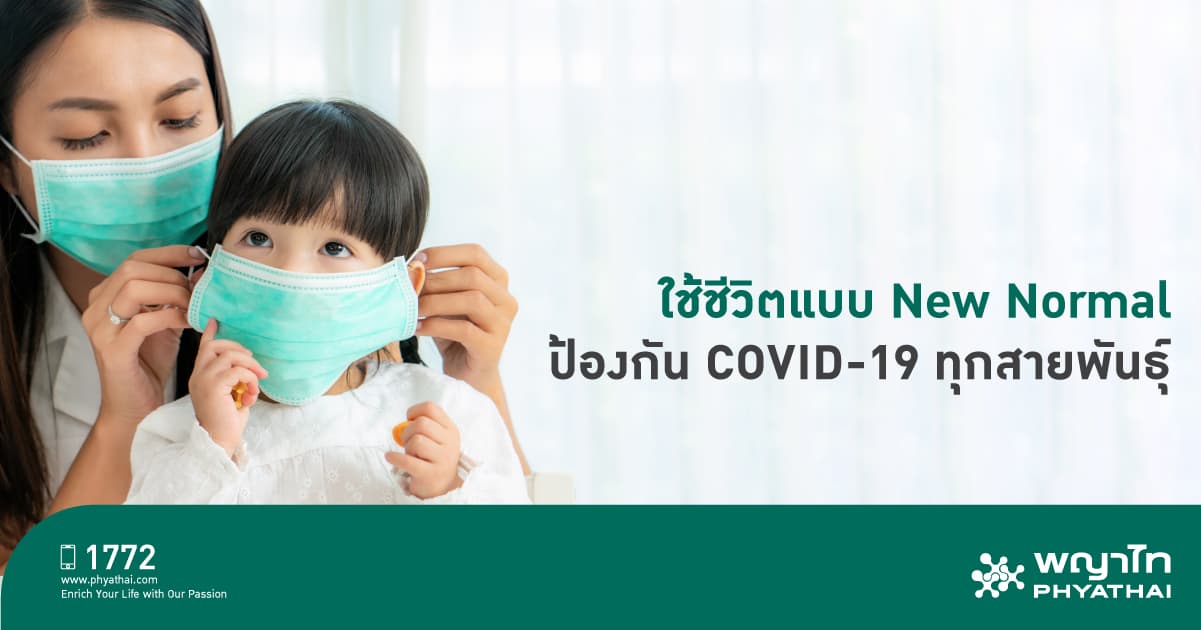
For the general public with low or no risk, do not be complacent. We should continue living with the New Normal, such as wearing masks, frequent hand washing, avoiding crowded places, maintaining social distance, and together we will overcome this new wave of the crisis.
