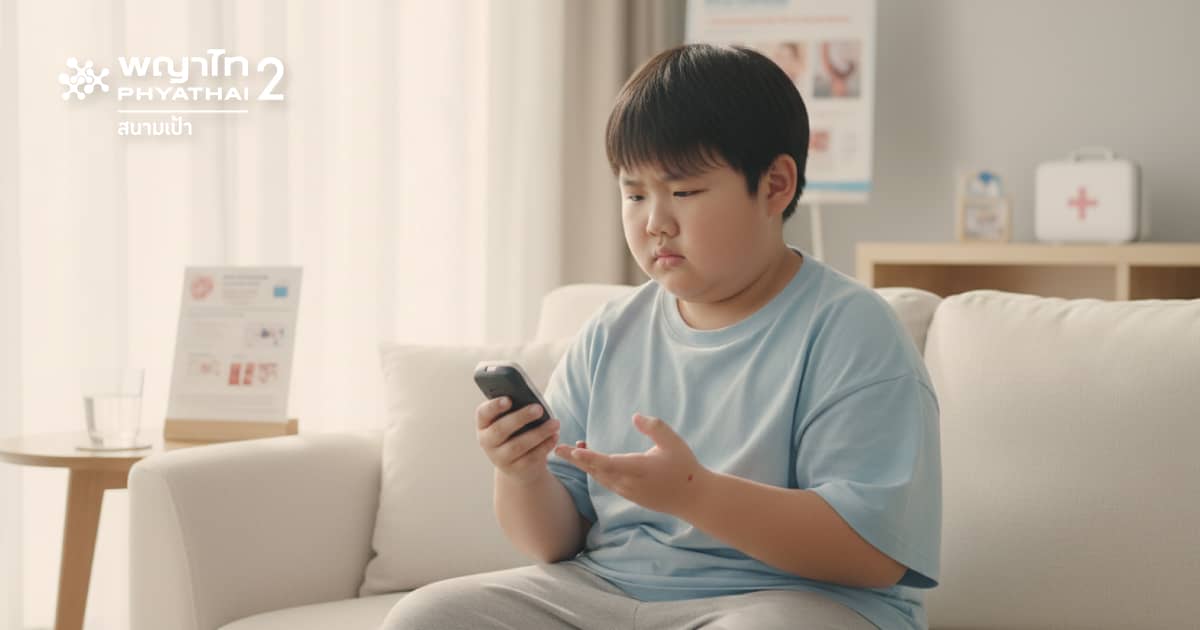
Currently, medical technology plays an important role in caring for diabetic patients, especially the “Continuous Glucose Monitoring” or Continuous Glucose Monitoring (CGM), which helps patients monitor their blood sugar levels in real-time 24 hours a day, reducing the need for repeated finger-prick blood tests and improving disease control efficiency.
What is CGM?
Continuous Glucose Monitoring (CGM) is a device used to continuously measure blood sugar levels throughout 24 hours by using a small sensor attached under the skin, such as on the upper arm or abdomen. The device reads blood sugar levels every 3–5 minutes and sends the data via a transmitter to a mobile application, allowing patients to view blood sugar trends at all times.
CGM is therefore an alternative that helps reduce the traditional fingerstick blood sugar tests, which normally need to be done 3–4 times a day, especially for type 1 diabetic patients or those who need close blood sugar control.
What are the benefits of CGM?
Using CGM is not just a “glucose meter” but also an important tool that helps patients better understand their bodies and adjust their behaviors appropriately.
1. Improve quality of life, reduce blood pricks
Patients no longer need to frequently prick their fingers except when the readings do not match symptoms.
2. Better understand your own body
CGM shows the “trend” of blood sugar levels, revealing how different foods, exercise, or stress affect blood sugar.
3. Help better control blood sugar levels
Real-time data allows immediate behavior and treatment adjustments, reducing the risk of long-term complications.
4. Has an abnormality alert system
The device can alert when blood sugar is low (Hypoglycemia) or high (Hyperglycemia), especially during the night when patients may be unaware.
Who is suitable for using CGM?
- Type 1 diabetic patients
- Those with frequent blood sugar fluctuations
- Those with unawareness of low blood sugar
- Children and adolescents who need close blood sugar control
- Those who want to precisely adjust their diet and lifestyle
Recommendations for proper CGM use
To ensure effective and safe use of CGM, follow these recommendations:
- Change the sensor according to the time period (generally every 7–14 days depending on the device model)
- Do not keep the device more than about 6 meters away from the mobile phone
- You can shower but avoid prolonged soaking, such as in hot springs or saunas
- Swimming is allowed at depths not exceeding 4 meters and for no longer than 30 minutes
- Avoid exposing the device to radiological equipment such as X-rays, CT scans, and MRI
How is CGM different from finger-prick testing?
| Category | CGM | Finger-prick |
| Frequency | Continuous 24 hours | Single measurement |
| Convenience | No repeated pricks | Multiple pricks per day |
| Data | Shows trends | Shows single point values |
| Alerts | Has alert system | None |
Technology that helps “manage diabetes more accurately”
The CGM device is another important step in diabetic care, helping blood sugar control no longer be a matter of “guesswork” but managed with continuous real data. Besides increasing convenience and quality of life, it also reduces the risk of long-term complications and enables patients to live more confidently.
If you or someone close to you has diabetes, choosing the right care method from today is the key to long-term health. It is recommended to consult a diabetes specialist to assess the suitability of using CGM and to plan appropriate health care.
Phyathai 2 Hospital is ready to support you at every step of confident diabetes management.
