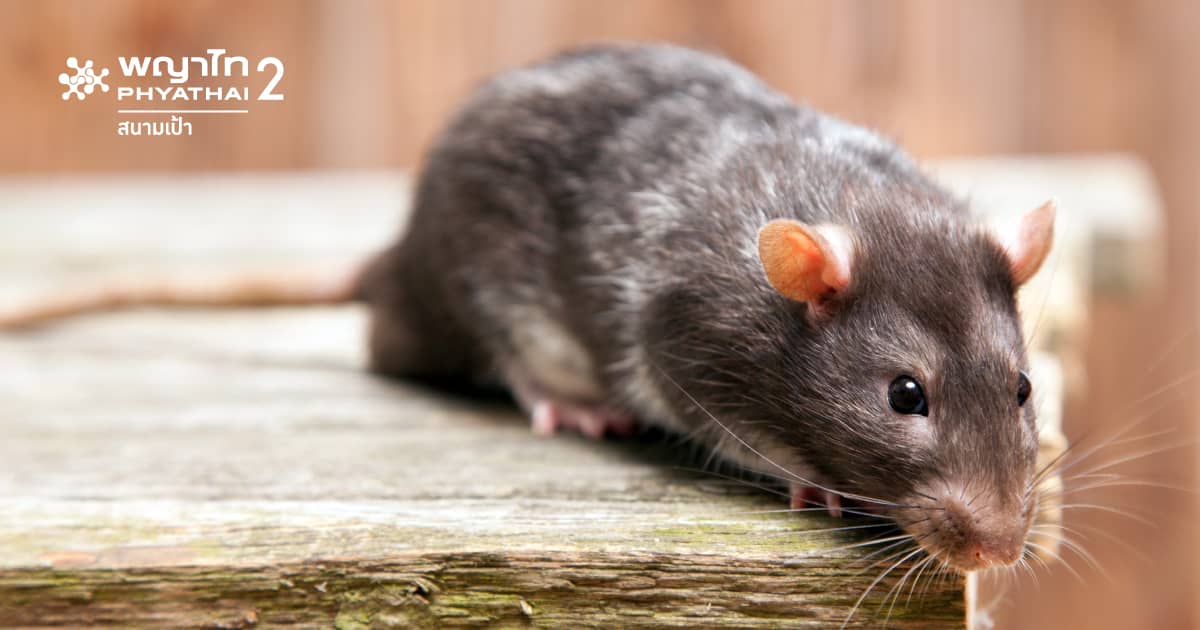
What is Hantavirus?
Hantavirus is a virus transmitted from rodents, especially “rats,” to humans, which can cause two main severe diseases:
- Hantavirus Pulmonary Syndrome (HPS) affecting the respiratory system
- Hemorrhagic Fever with Renal Syndrome (HFRS) affecting the kidneys and circulatory system
Although no outbreaks have been reported in Thailand, it is a disease with a high mortality rate of up to 40%, and currently, there is no specific treatment available.
Causes of Hantavirus Infection
Hantavirus infection occurs through contact with rodent secretions such as:
- Urine
- Feces
- Saliva
The virus can enter the body through various routes, including:
- Inhaling dust contaminated with the virus
- Touching contaminated surfaces and then touching the mouth, nose, or eyes
- Being bitten by a rodent (rare)
At-risk groups include:
- People working in areas with many rodents, such as warehouses and farms
- People cleaning abandoned houses
- People living in overcrowded areas with poor sanitation and poor ventilation
Symptoms
Symptoms are usually divided into 2 important stages
1. Early stage (similar to a cold)
-
- High fever
- Muscle pain, especially in the back and legs
- Fatigue
- Headache
- Nausea and vomiting
2. Severe stage
-
- Difficulty breathing
- Cough with fluid in the lungs
- Low blood pressure
- May develop respiratory failure
Symptoms can worsen rapidly within 24–48 hours
How Dangerous is Hantavirus?
HPS has a mortality rate of about 30–40%. Severity usually depends on:
- How quickly treatment is accessed
- The patient’s physical condition
- The amount of virus exposure
Disease Diagnosis
Doctors will consider:
- History of rodent contact or exposure to risky areas
- Clinical symptoms
- Blood tests for antibodies against the virus
- Specialized laboratory tests
Hantavirus Treatment
Currently, there is no specific antiviral drug for hantavirus. Treatment is supportive, including:
- Oxygen therapy
- Respiratory care (some cases require mechanical ventilation)
- Blood pressure control
- ICU care in severe cases
Early treatment = significantly increased chance of survival
How to Prevent Hantavirus
Prevention is the most important
1. Control rodents in the home
-
- Seal entry points where rodents can enter
- Store food securely
2. Clean properly
-
- Wear masks and gloves
- Avoid dry sweeping (risk of spreading the virus)
- Use disinfectant before cleaning
3. Avoid risky areas
-
- Abandoned houses
- Old warehouses
- Areas with large amounts of rodent droppings
When Should You See a Doctor?
You should see a doctor immediately if you have the following symptoms:
-
- Fever with a history of rodent contact
- Difficulty breathing
- Unusual fatigue
- Rapid deterioration of symptoms
Hantavirus is a rodent-borne infectious disease that can be life-threatening. Although initial symptoms resemble a common cold, it can progress rapidly.
Prevention, symptom monitoring, and early treatment are key to reducing harm.
