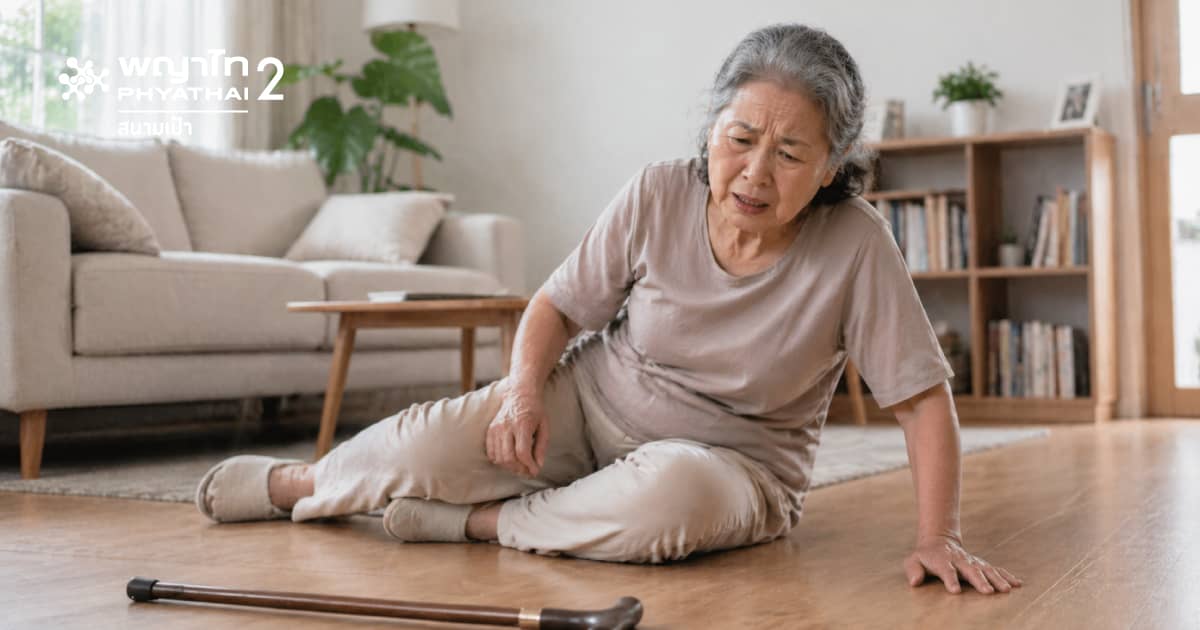
In an increasingly aging society, “falls” may seem like minor accidents, but for the elderly, a single fall can lead to a severe condition such as a hip fracture, which is considered an orthopedic emergency that requires prompt treatment. If left untreated for a long time, it may increase the risk of complications and death.
What is a hip fracture in the elderly?
Hip fractures usually occur at the upper part of the thigh bone near the hip joint, which directly bears the body’s weight. In the elderly, bones are often fragile due to osteoporosis, making it possible to fracture just by falling from a standing position.
This condition is not just a “simple bone fracture” but significantly affects mobility, daily life, and overall health.
Warning signs of a “hip fracture” that should not be ignored
If an elderly person has a history of falling, some may still be able to move slightly, leading to a misunderstanding that the injury is not serious, resulting in delayed treatment. If the following symptoms occur, see a doctor immediately:
- Severe pain in the hip or groin
- Unable to stand or put weight on the leg
- The injured leg is shorter or deformed
- Increased pain when moving the leg
Why is “delayed treatment” dangerous?
Treatment of hip fractures in the elderly focuses not only on bone repair but also on helping patients regain mobility as quickly as possible. If left untreated for a long time, complications may occur, such as:
1. Pneumonia caused by prolonged bed rest and shallow breathing
2. Pressure ulcers from lying in the same position for a long time
3. Deep vein thrombosis with risk of life-threatening conditions such as blood clots traveling to the lungs
4. Muscle weakness leading to loss of walking ability and difficulty returning to normal life
5. Increased mortality rate Data shows that elderly patients with hip fractures who do not receive proper treatment have a significantly higher mortality rate within one year
Approaches to treating hip fractures
Treatment depends on the type of fracture, patient’s health, and severity, with the main goal to reduce complications and recover as quickly as possible.
1. Surgical Treatment
Surgery helps patients sit up and start walking sooner, reducing the risk of complications from prolonged bed rest. It is the main approach for the elderly, such as:
- Internal fixation
- Hip replacement
2. Conservative Treatment
Generally, surgery is recommended within 24–48 hours if there are no medical contraindications. Conservative treatment is used in some cases, such as patients with severe comorbidities or those unsuitable for surgery.
What benefits does “early” treatment provide?
- Reduces the risk of complications
- Shortens hospital stay
- Increases chances of regaining walking ability
- Reduces long-term mortality risk
Who is “at risk” of hip fractures?
- Elderly people, especially those over 65 years old
- People with osteoporosis
- Those who have frequent falls
- People with chronic diseases such as diabetes and heart disease
- Those with muscle weakness or poor balance
Preventing falls and reducing fracture risk
Although it cannot be prevented 100%, the risk can be reduced by:
- Making the home environment safe (non-slip floors, handrails)
- Exercising to strengthen muscles
- Checking bone health and treating osteoporosis
- Checking vision and balance
- Avoiding medications that cause dizziness
Comprehensive care at Phyathai 2 Hospital
Phyathai 2 Hospital provides comprehensive care for patients with hip fractures, including:
-
- Diagnosis with standard equipment
- Specialized orthopedic and joint medical team
- Surgery and personalized treatment planning
- Postoperative rehabilitation programs
Focusing on helping patients “regain mobility quickly and reduce the risk of complications.”
FAQ Frequently Asked Questions
Q1: Elderly person falls but can still walk, should they be checked?
A: They should be checked because in some cases, it may be a hairline fracture with unclear symptoms.
Q2: Is surgery avoidable?
A: It depends on the patient’s condition, but generally, surgery helps faster recovery and reduces complications better.
Q3: Will walking ability return to normal after surgery?
A: It depends on pre-fall health, severity, and rehabilitation, but early treatment increases the chance of better recovery.
Falls in the elderly are not trivial, especially when involving hip fractures. Prompt diagnosis and treatment are crucial factors that help reduce complications and increase the chances of returning to near-normal life.
If an elderly family member shows symptoms after a fall, do not wait for the condition to worsen. They should be evaluated by a specialist as soon as possible.
