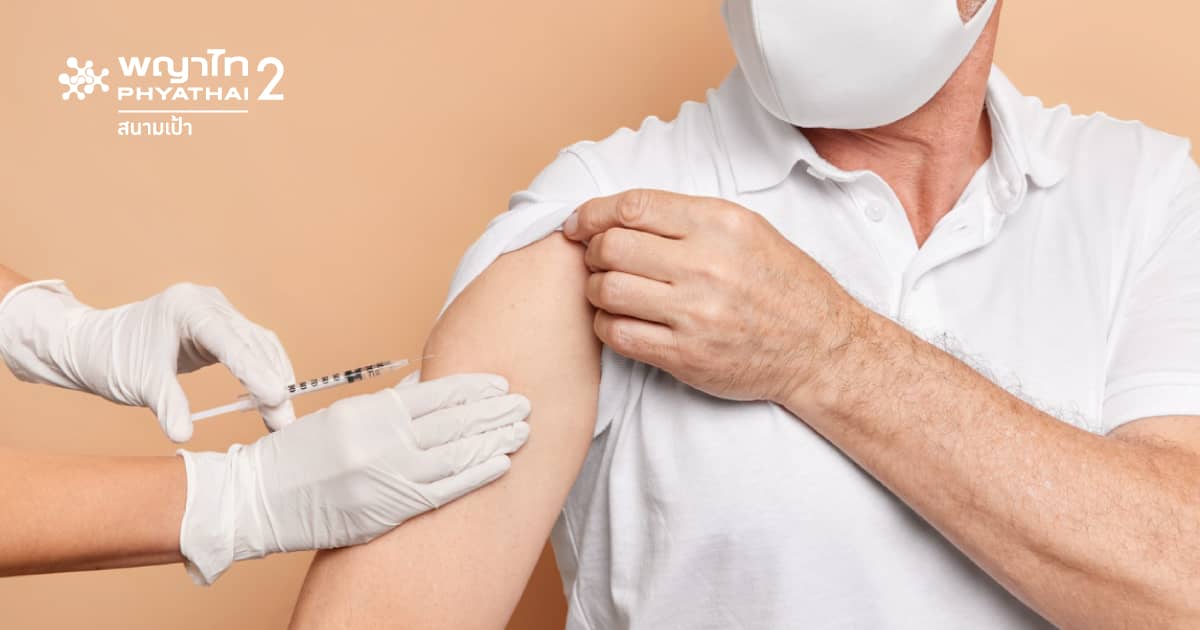
The Respiratory Syncytial Virus (RSV) is a major cause of respiratory illness in young children. However, recent studies show that adults—especially the elderly and those with chronic conditions like diabetes—are also at high risk of RSV infection, which can lead to serious complications such as pneumonia or bronchitis.
Getting vaccinated against RSV is an important preventive measure for respiratory infections and should be considered seriously—particularly for those with weakened immune systems. This article will guide you through 8 key things you should know about the RSV vaccine for high-risk groups.
1. Why Should People with Diabetes Get the RSV Vaccine?
People with diabetes have a weaker immune system compared to the general population, making them more vulnerable to RSV infection. This increases the risk of serious complications such as severe pneumonia or respiratory failure. The RSV vaccine significantly helps reduce these risks.
2. At What Age Should People with Diabetes Get the RSV Vaccine?
According to the U.S. Food and Drug Administration (FDA), the RSV vaccine is recommended starting at age 60 for individuals with chronic conditions. However, if a physician determines a person is at high risk, vaccination may be considered starting at age 50.
3. Can the RSV Vaccine Be Given Alongside the Flu Shot?
Yes, they can be administered at the same time. It is recommended to inject them into different arms (e.g., left and right shoulders) to minimize local irritation. Some individuals may experience mild soreness or redness at the injection sites.
4. How Effective Is the RSV Vaccine?
Studies show that the RSV vaccine can reduce the risk of severe RSV infection by 70–85%, particularly in older adults and those with chronic illnesses.
5. What Are the Side Effects of the RSV Vaccine?
The RSV vaccine is generally very safe. Common side effects include:
- Pain, swelling, or redness at the injection site
- Muscle aches
- Mild fever
- Fatigue
These symptoms typically resolve within 1–3 days.
6. How Long Does the RSV Vaccine Last? Do I Need It Every Year?
Currently, the RSV vaccine requires only a single dose, and there are no recommendations for annual boosters yet. It’s important to stay informed through updates from the Ministry of Public Health or your healthcare provider.
7. How Many Doses of the RSV Vaccine Are Needed?
For most adults, only one dose is needed. There is no requirement for multiple doses within a year.
8. How Should You Prepare Before Getting the RSV Vaccine?
Basic preparation includes :
- Getting adequate rest the night before vaccination
- Avoiding strenuous activities on the day of vaccination
- Informing your doctor of any history of allergic reactions to vaccines or medications
RSV Vaccine: A Preventive Option to Reduce Severe Illness in High-Risk Groups
Older adults and people with diabetes should not overlook their respiratory health, as RSV infection can lead to serious complications. Vaccination is a highly effective preventive measure and should be seriously considered.
If you or a family member is in a high-risk group, you can consult with an infectious disease specialist or an internal medicine doctor specializing in diabetes at Phyathai 2 Hospital to plan a safe and personalized vaccination strategy tailored to your health needs.
