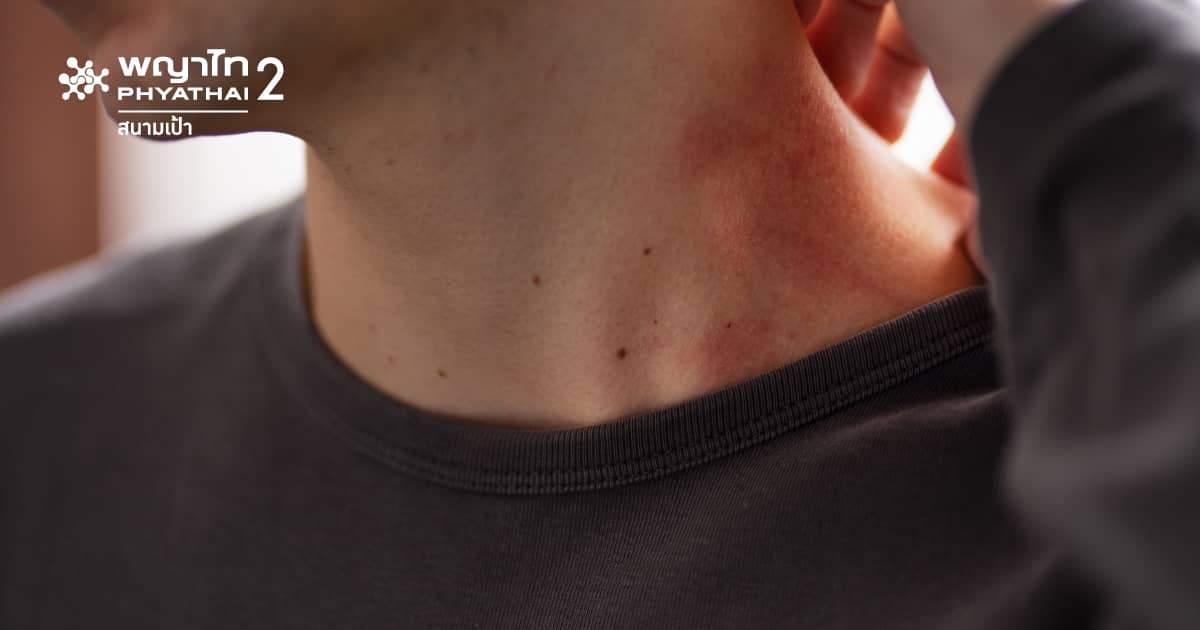
Shingles is a viral infection that may begin with just a “slight burning pain,” but if not properly managed, it can develop into chronic pain that affects long-term quality of life.
Especially in individuals aged 50 and over or those with weakened immune systems, rapid diagnosis and treatment by a specialized medical team are crucial for effective care of this disease.
What Causes ‘Shingles’?
Shingles is caused by the Varicella-Zoster Virus (VZV), the same virus that causes chickenpox. After recovering from chickenpox, the virus remains dormant in nerve ganglia and may reactivate to cause disease again when the body is weak or the immune system is compromised.
Common Risk Factors
- Age 50 years and older
- Stress and insufficient rest
- Chronic diseases such as diabetes and cancer
- Individuals receiving immunosuppressive drugs
Symptoms of Shingles
Shingles usually occurs on only one side of the body and follows the path of a nerve.
Initial Stage
- Burning, stinging pain, similar to electric shocks
- Skin sensitive to touch
- Fatigue and low-grade fever
Rash Stage
- Red rash appears in a line
- Clear blisters arranged distinctly
- Blisters crust over within 7–10 days
Major Complications
- Chronic nerve pain (Postherpetic Neuralgia) which may last for several months
- Shingles affecting the eye area, risking vision
- Secondary infections in the elderly
Early medical evaluation helps reduce the chance of complications.
Is Shingles Contagious?
Shingles can spread the virus to people who have never had chickenpox or have not been vaccinated, through direct contact with the blisters. Those infected will develop “chickenpox,” not shingles. For safety, wounds should be kept covered, and close contact with pregnant women, young children, and immunocompromised individuals should be avoided.
Treatment Guidelines for Shingles
The most effective treatment for shingles is starting antiviral medication within the first 72 hours after the rash appears, as this is when the virus is rapidly replicating. Timely care by a specialist medical team helps reduce disease severity and the risk of long-term complications.
- Specific antiviral therapy
- Medications to control nerve pain to reduce suffering and prevent chronic pain
- Close monitoring for complications, especially in the elderly or those with underlying conditions
Proper treatment from the early stage not only helps the rash dry and heal faster but also prevents chronic nerve pain, a complication that significantly impacts quality of life.
Why Is Early Treatment Important?
“The Golden 72 Hours”
The key to managing shingles is the golden 72-hour period. If patients receive antiviral medication within this time frame, the drug can most effectively inhibit viral replication.
- Reduces severity and spread of the rash
- Helps wounds dry faster and reduces the chance of scarring
- Decreases the risk of neurological complications
Early evaluation is not just about treating the “skin rash” but protecting the nervous system in the long term.
Complications to Watch For: Nerve Pain (Postherpetic Neuralgia – PHN)
More concerning than the external rash is postherpetic neuralgia (PHN), which can cause burning, stinging, or electric shock-like pain lasting for months or even years after the rash has healed. This condition is common in people over 60 and those who did not receive early treatment.
Therefore, starting treatment as early as possible is the best prevention for PHN and is key to maintaining patients’ quality of life.
Clarifying the Myth About “Shingles Wrapping Around the Body”
There is an old belief that “if shingles wrap around the body, it will cause death.” Medically, we clarify to ease your concerns that the disease itself does not cause death from wrapping around the body.
However, if lesions appear on both sides of the body, it indicates severe immunodeficiency, requiring close medical care to prevent secondary infections spreading to the bloodstream or vital organs.
Shingles Vaccine: A Proactive Prevention Option
Currently, there is a highly effective shingles vaccine that reduces the risk of developing the disease by more than 90% and lowers the chance of chronic nerve pain.
- People aged 50 and over
- Individuals with underlying health conditions
- Those who have had shingles before
Vaccination is a preventive health measure that helps improve long-term quality of life.
Confident Health Care with Trusted Treatment Standards
Shingles may seem like a common skin condition, but it actually involves the nervous system and can affect long-term quality of life. Accurate diagnosis, rapid treatment, and comprehensive care by a specialized medical team are key to reducing disease severity.
If you have any concerns or abnormal symptoms, you should seek medical evaluation for appropriate care from the early stage.
