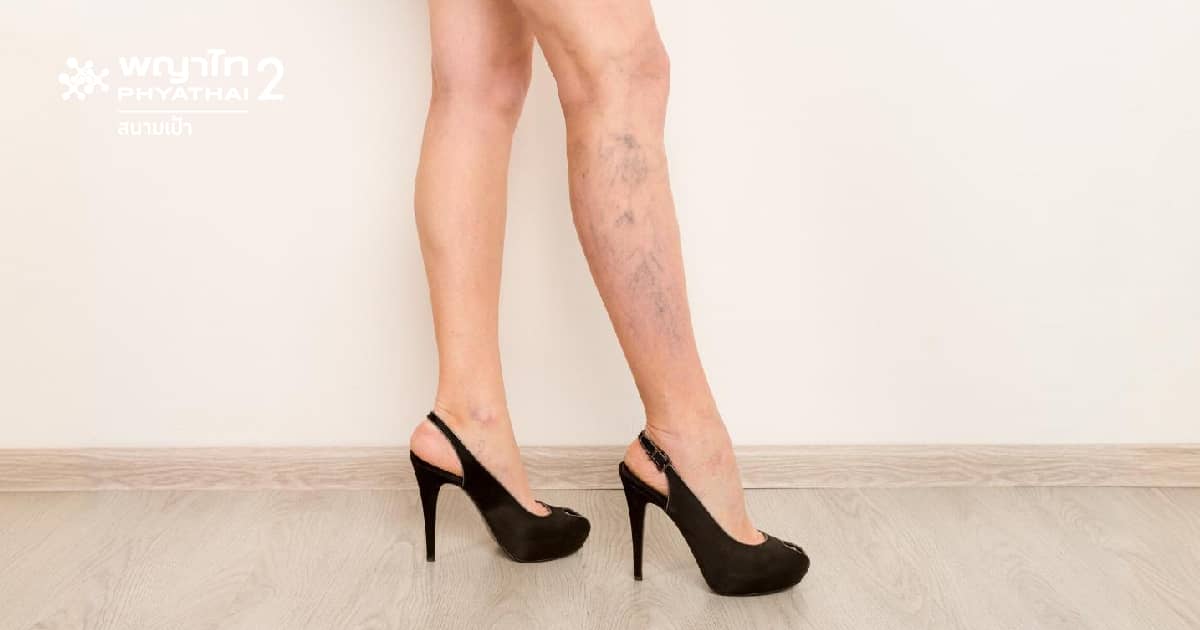
Sitting or standing for long periods can impair the efficiency of blood circulation in the veins, especially at the valves that fail to open and close properly. This can increase pressure within the veins, leading to blood pooling — the starting point of varicose veins. While the early stages may seem harmless, if left untreated, the condition can worsen and become more severe. This article will help you understand varicose veins, their causes and risk factors, and provide effective treatment options to support better health and an improved quality of life.
What Are Varicose Veins?
Varicose veins occur when the walls of the veins deteriorate and can no longer withstand internal blood pressure effectively. As a result, the veins become enlarged and twisted, leading to poor blood circulation. This can cause symptoms such as swelling, pain, and in some cases, even chronic ulcers.
Causes and Risk Factors
Several factors can contribute to the development of varicose veins, including:
- Jobs that require prolonged standing or walking, which put extra strain on the circulatory system
- Wearing high heels, which disrupts natural weight distribution and affects blood flow
- Pressure or impact on the legs, such as from crossing the legs frequently
- Genetics, especially if parents or close relatives have a history of varicose veins
- Aging, as veins naturally weaken over time
- Hormonal changes, which can affect vein elasticity (especially in women)
- Being overweight, which adds pressure to the circulatory system
Types of Varicose Veins
There are two main types of varicose veins that commonly appear on the legs:
- Varicose Veins: These occur when the vein walls become weakened, causing the veins to enlarge and twist. They often appear as greenish or purplish bulging veins.
- Spider Veins: These are small, thin veins that appear close to the surface of the skin. They are usually red or purple and resemble a spider web in appearance.
Complications and Symptoms of Severe Varicose Veins
If varicose veins are not treated promptly, they can lead to serious complications, including:
- Pain and swelling, especially after prolonged standing or walking
- Venous ulcers, which are chronic wounds that are difficult to heal
- Easy bleeding, even from minor injuries
- Superficial thrombophlebitis, a condition where blood clots form in veins near the surface, causing inflammation and swelling
- Deep vein thrombosis (DVT), where clots form in deeper veins and may travel to the lungs, potentially becoming life-threatening
- Skin changes, such as darkening of the skin or chronic inflammation (stasis dermatitis)
- Chronic venous insufficiency, a condition where poor blood flow leads to persistent swelling and slow-healing wounds
Effective Treatment Options for Varicose Veins
Varicose vein treatments vary depending on the severity of the condition and the patient’s needs. The main treatment options include:
- Compression stockings or leg wrapping: Help reduce pain, cramping, and swelling by improving blood flow.
- Sclerotherapy: A solution is injected into the affected vein, causing it to shrink and eventually disappear.
- Surgery: Considered for severe cases that do not respond to other treatments.
- Radiofrequency Ablation (RFA): A minimally invasive technique that uses radiofrequency energy to close off varicose veins.
- Laser treatment: Closes off damaged veins and stimulates the growth of healthy new ones.
- Medical adhesive treatment (Venaseal): A special medical glue is used to seal off the faulty vein, preventing blood from flowing backward — the main cause of varicose veins.
Why Is It Important to Treat Varicose Veins?
Treating varicose veins is not only about relieving pain and swelling—it also helps prevent future complications. Women are particularly at risk, with up to 50% likely to develop varicose veins compared to about 25% of men. Simple lifestyle adjustments, such as avoiding prolonged sitting or standing and wearing suitable footwear, can reduce the risk and slow the progression of the condition.
Varicose veins should not be overlooked. In the early stages, symptoms may seem minor, but if left untreated, they can develop into more serious health issues. Early and appropriate treatment—whether through compression stockings, sclerotherapy, laser treatment, or surgery—can effectively manage the condition and significantly improve your quality of life.
If you notice symptoms or have risk factors, it’s best to consult a specialist to develop a personalized treatment plan and take proactive steps to maintain healthy veins—starting today.
