Whenever a little one falls ill, parents’ hearts almost break. They pray that they could take the pain instead. It would be better if parents understand and take care of their children to keep them safe from serious diseases… especially pneumonia, the earlier it is detected, the faster it can be treated.
“Pneumonia”, also well known as “lung infection”, is an inflammation of the lung tissue including the bronchi and alveoli, causing reduced respiratory system function and abnormal gas exchange in the alveoli. In some children, symptoms can be severe enough to cause disability or death, especially in young children or patients with underlying conditions such as congenital heart disease or chronic lung disease.
Causes of Pneumonia
Normally, pneumonia can occur at any age, from newborns to the elderly. However, in children, it is considered one of the leading serious diseases. According to statistics, pneumonia is the number one cause of death in children under 5 years old. This is because when children have a cold, complications can spread to the lungs, leading to pneumonia more easily than in adults due to their smaller and narrower airways, which makes clearing mucus difficult. Other factors include the type of pathogen, immunity, and initial care, all of which affect the development of pneumonia.
What Causes It?
Pneumonia can be caused by various factors, generally divided into two main causes: infectious pneumonia and non-infectious pneumonia, such as allergies or irritation from inhaled substances, or aspiration of food.
Infectious pneumonia is the main cause of pneumonia in children, mostly caused by viruses and bacteria, while fungi and parasites are less common. Common viruses include respiratory syncytial virus (RSV), influenza, human metapneumovirus, and parainfluenza. Bacterial causes include Streptococcus pneumoniae most frequently, as well as Haemophilus influenzae type B (HIB), Staphylococcus aureus, Mycoplasma pneumoniae, and Chlamydia pneumoniae.
What Are the Symptoms?
Symptoms include fever, cough with phlegm, rapid breathing or shortness of breath. In severe cases, breathing difficulty or respiratory failure may occur. The symptoms vary depending on age and the causative pathogen. Other symptoms may include abdominal bloating, vomiting, lethargy, poor feeding, and increased irritability, which are common in young children. Older children may experience chest pain.
Which Children Are at Risk of Pneumonia?
Children at risk include premature infants or those with low birth weight, malnourished children, children with chronic diseases such as heart disease, lung disease, immunodeficiency, or those receiving immunosuppressive drugs. Children living in crowded communities or substandard childcare facilities, as well as those exposed to secondhand smoke, are also at higher risk.
How Is Pneumonia Diagnosed?
Initially, doctors will take a medical history, perform a physical examination, and conduct a chest X-ray. They may also use various methods to identify the causative pathogen, such as culturing sputum, antigen testing to detect genetic material of the pathogen in sputum or nasal swabs, and blood tests to detect antibodies against the pathogen.
Treatment Guidelines
Treatment depends on the causative pathogen, patient’s age, and disease severity. Treatment is divided into two parts:
- Specific Treatment
Antibiotics are given if the pneumonia is caused by bacterial infection. For viral pneumonia, there is no specific antiviral treatment except for influenza, which has antiviral drugs. Other viral infections are treated symptomatically.
- Supportive Treatment
- Encourage adequate fluid intake. In severe cases with dehydration, intravenous fluids may be administered.
- Provide oxygen for patients with labored breathing, cyanosis, chest retractions, nasal flaring, or lethargy. Mechanical ventilation may be required in cases of respiratory failure.
- Administer bronchodilators if bronchial constriction is present.
- Perform chest physiotherapy to help clear mucus and prevent airway obstruction.
- Treat other symptoms as needed, such as pain relievers, fever reducers, and mucolytics.
How to Raise Children to Stay Away from “Pneumonia”
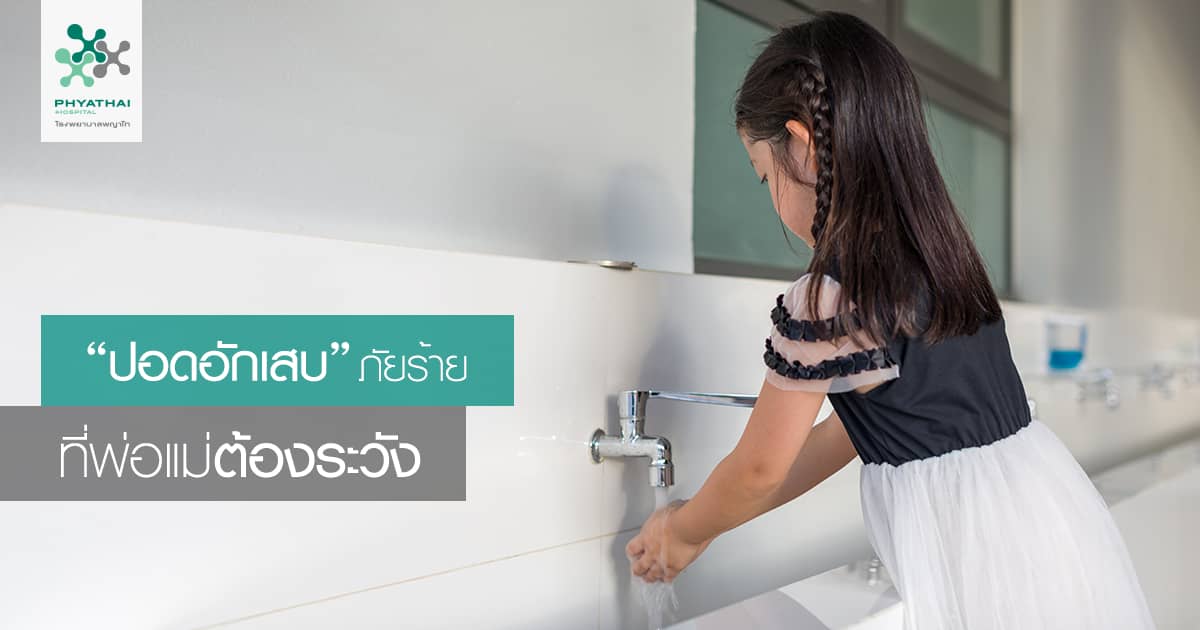
Always maintain your child’s health by ensuring a balanced diet with all five food groups, regular exercise, and instilling good hygiene habits such as washing hands thoroughly, wearing masks when having a cold, separating personal items from sick individuals, and avoiding exposure to infections or crowded places.
Additionally, parents should take their children to see a doctor for vaccinations that prevent pathogens causing pneumonia, such as the Haemophilus influenzae type B vaccine (Hib vaccine), the Streptococcus pneumoniae vaccine (Invasive Pneumococcal Disease vaccine; IPD vaccine), and the influenza vaccine.
If your child shows any signs of illness, promptly take them to see a doctor for accurate and timely diagnosis.
“Do not neglect your child’s symptoms, as ignoring them may lead to serious diseases you never expected.”
Dr. Pakinee Jeechok
Pediatrician specializing in respiratory diseases and critical care
Child and Adolescent Health Center, Phyathai 3 Hospital
