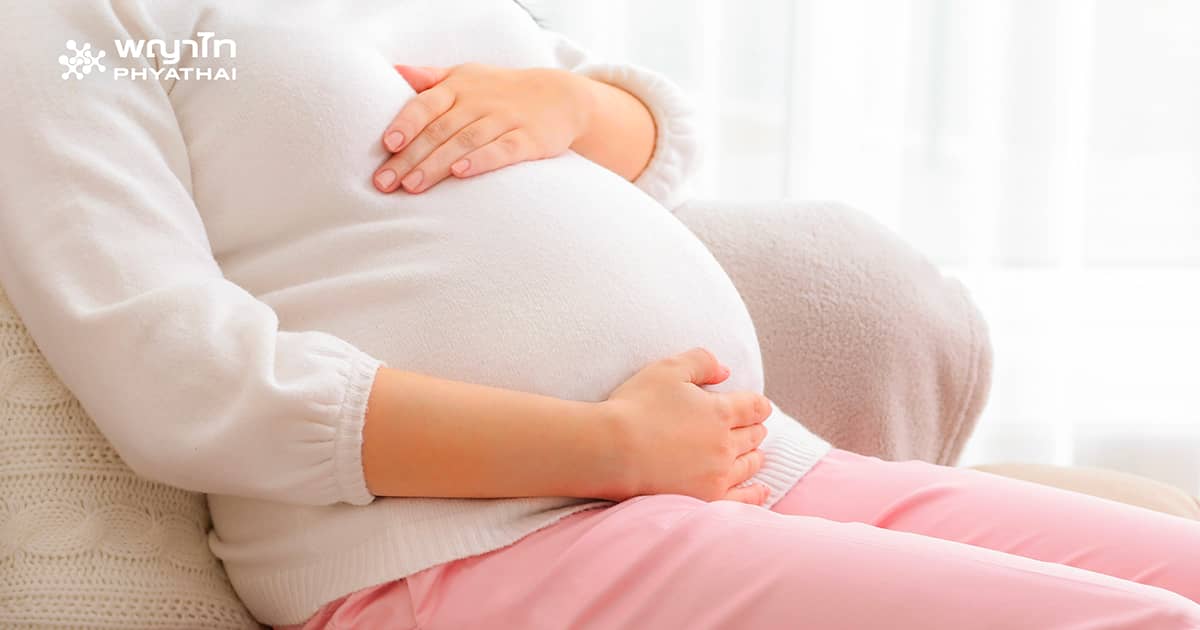
For pregnant mothers, nothing is better than having a baby in the womb grow fully and healthily. However, not all mothers can have a 100% safe pregnancy. Many mothers experience preeclampsia, which is considered a critical condition during pregnancy.
What is preeclampsia?
Preeclampsia is a complication during pregnancy that causes abnormal high blood pressure in the mother and subsequently affects the function of various organs in the body. The most common abnormality and often the first sign is the detection of protein leakage in the urine (proteinuria).
Severe preeclampsia (preeclampsia with severe features) carries increased risks of complications and can lead to abnormal bleeding, kidney or liver dysfunction, seizures, or even death of the mother and baby.
Preeclampsia mostly occurs after 20 weeks of gestation, most commonly in the third trimester. The treatment for preeclampsia is delivery. After delivery, the symptoms of preeclampsia gradually improve, but sometimes preeclampsia can still occur postpartum.
What causes preeclampsia?
Currently, the exact cause is unclear, but it is believed to result from an abnormal maternal response to pregnancy. Certain factors increase the risk of developing preeclampsia, such as:
- First pregnancy
- Maternal age over 40 years
- History of preeclampsia in previous pregnancies or family history of preeclampsia
- Pre-existing conditions such as hypertension, kidney disease, diabetes
- Immune-related disorders such as SLE (systemic lupus erythematosus), APS (antiphospholipid syndrome)
- Twin pregnancy
- Obesity
- Pregnancy via assisted reproductive technologies (IVF, ICSI)
Symptoms suspicious for preeclampsia
Pregnant mothers with high blood pressure during pregnancy who suspect preeclampsia should see a doctor immediately if they have any of the following symptoms:
- Swelling of the face or hands, or rapidly increasing swelling of the legs
- Persistent headache
- Blurred vision, unclear sight, or seeing floating black spots
- Persistent pain in the upper abdomen or shoulder
- Persistent nausea/vomiting after 20 weeks of gestation
- Rapid weight gain
- Difficulty breathing or excessive shortness of breath
Effects of preeclampsia on mother and fetus
Mothers with preeclampsia have long-term risks of cardiovascular and vascular diseases, kidney disease, including heart failure, stroke, future hypertension, and increased risk of preeclampsia in subsequent pregnancies. Preeclampsia can also cause seizures (eclampsia) and HELLP syndrome, which are severe complications and leading causes of maternal and fetal death. The risk of these complications is higher if preeclampsia occurs early in pregnancy (early-onset preeclampsia).
The fetus is mostly affected by the need for preterm delivery or termination of pregnancy (indicated preterm delivery) to manage preeclampsia. Preterm infants are often underdeveloped and face many postnatal complications, some of which may cause lifelong disabilities or even death. Preeclampsia can also cause placental insufficiency or premature placental abruption, leading to poor fetal health, low birth weight, or fetal death.
How to prevent preeclampsia
- Identify risk factors for preeclampsia and consult a doctor
- Manage pre-existing conditions within normal limits
- Maintain a healthy body weight
- For some pre-existing conditions, doctors may prescribe medication to reduce the risk of preeclampsia
Treatment of preeclampsia
The main treatment for preeclampsia is delivery, considering the health and safety of both mother and baby, the appropriate gestational age for delivery or termination, and fetal maturity. Sometimes doctors prescribe antihypertensive drugs or anticonvulsants to prepare before delivery. In cases of very early gestation, corticosteroids may be given to accelerate fetal lung development before delivery.
Currently, screening for preeclampsia risk involves testing for placental growth factor (PIGF), combined with maternal history, gestational age, blood pressure measurement (MAP: Mean Arterial Pressure), and uterine artery Doppler ultrasound. This screening can be done as early as 11 weeks of gestation before symptoms appear, allowing for preventive planning and early management, improving treatment effectiveness and reducing complications for both mother and baby.
Dr. Adisorn Aksornpusitpong
Obstetrician-Gynecologist, Maternal-Fetal Medicine
Phyathai 3 Hospital
