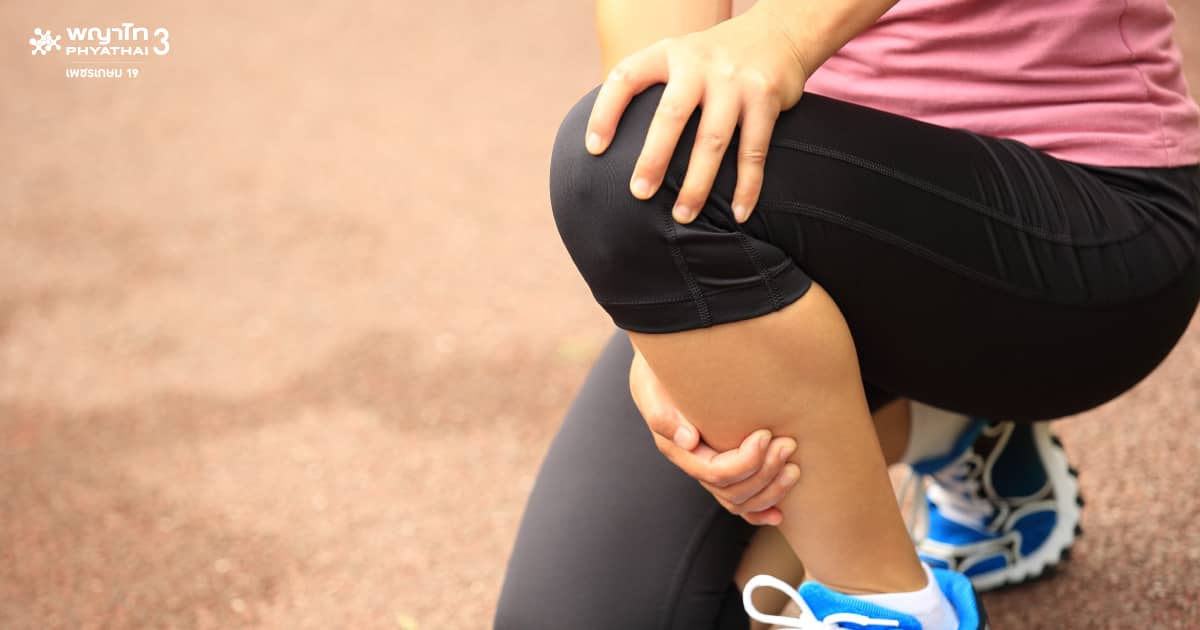
Anterior Cruciate Ligament (ACL) Injury in the Knee is a common problem among athletes and those who engage in intense physical activities. The ACL plays a crucial role in maintaining knee stability. When injured, it can cause pain, swelling, and loss of knee stability. In this article, we will discuss various treatments for ACL injuries in the knee.
Anterior Cruciate Ligament (ACL) Injury in the Knee
ACL injuries in the knee often result from severe knee rotation or sudden changes in movement direction, which are common in sports requiring quick movements and frequent direction changes, such as football, basketball, and tennis. Symptoms of ACL injury typically include:
- Acute pain When the ACL is injured, patients often experience sharp pain in the knee, usually severe enough to stop the activity immediately.
- Swelling The knee usually swells within a few hours after the injury due to bleeding inside the knee joint (hemarthrosis).
- Feeling of knee looseness Patients may feel that the knee is “loose” or unable to fully support weight.
- Difficulty moving Patients often find it hard to fully extend or bend the knee due to pain and swelling.
- Patients may experience limitations in activities they previously could perform such as running, jumping, or quick direction changes.
If these symptoms occur, it is important to see a doctor for proper diagnosis and treatment. Untreated ACL injuries can lead to chronic problems and long-term knee degeneration.
1. Non-surgical Treatment
Non-surgical treatment is usually suitable for those with mild injuries or those who do not engage in high-impact activities. Treatment methods include:
- Resting the knee: Avoid using the knee in activities that may worsen the symptoms.
- Using pain relievers and anti-inflammatory drugs: To reduce pain and swelling.
- Physical therapy: To strengthen the muscles around the knee and improve knee stability.
2. Arthroscopic ACL Surgery
Arthroscopic ACL surgery is an effective and popular treatment for ACL injuries. It offers the benefits of reduced pain and faster recovery by transplanting tendon tissue to replace the injured ACL. The tendons used for reconstruction can come from various sources, with the most commonly used being:
- The patellar tendon, located between the kneecap and the shinbone.
- The hamstring tendons, located on the inside of the knee.
ACL reconstruction can be performed as either single-bundle or double-bundle surgery, aiming to fully restore knee stability. The double-bundle technique, which is the latest technology, further enhances the knee’s resistance to rotational forces. However, this procedure is more complex and requires a skilled surgeon.
3. Postoperative Rehabilitation
Proper rehabilitation after surgery is very important and includes:
- Physical therapy: To strengthen muscles and restore knee flexibility.
- Use of walking aids: Such as crutches, to reduce pressure on the knee during the early recovery phase.
- Appropriate exercises: To regain strength and stability of the knee.
ACL injuries are treatable with appropriate care, whether non-surgical or surgical, depending on the severity of the injury and the patient’s needs. Rehabilitation after treatment is crucial to help the knee return to normal function.
