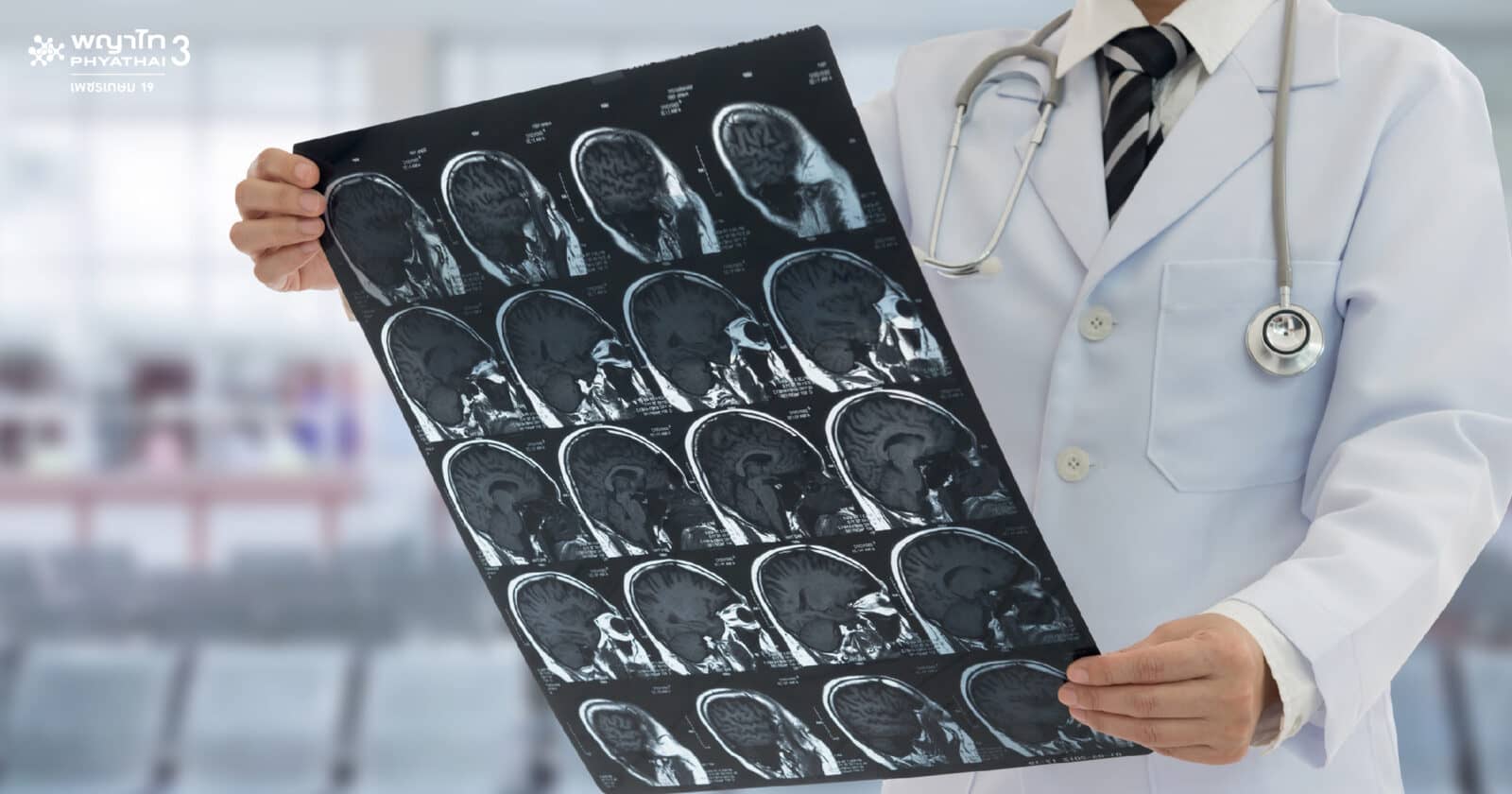
Just hearing the name tumor makes most people fearful because even if it is a benign tumor and not cancerous, we still worry whether it might turn into a malignant cancer. And if surgery is required, will it cause any loss? Especially if it is a brain tumor, the fear in people’s minds multiplies many times. But in reality, brain tumors can be completely cured. Although surgery may seem dangerous, nowadays medical technology can make surgery more effective and safer, so it is not as frightening as many think.
Get to Know Brain Tumors Better and Fear Less
A brain tumor is a tumor that occurs inside the human head, and there are many types. The chance of occurrence is not very high. For benign tumors, surveys have found that among 100,000 patients with headaches, about 10 have headaches caused by brain tumors. Malignant brain tumors, or brain cancer, account for 1.67% of all cancer cases, which is relatively rare. However, brain tumors can be found in all ages and genders, meaning children, women, men, adults, and the elderly all have the chance to develop brain tumors.
What Causes Brain Tumors?
Studies have not yet found a 100% definite cause of brain tumors. However, medically, it is hypothesized that it may be due to abnormalities in certain genes in our brain. Nevertheless, research on brain tumor patients worldwide has identified four risk factors that increase the chance of developing brain tumors, as follows:
- Genetics Surveys show that if someone in the family or relatives has a brain tumor, the chance of developing a brain tumor increases, but it does not mean it is certain.
- Environment and Chemicals Exposure to radiation, toxins, or electromagnetic waves increases the risk of brain tumors compared to those who have never been in such environments.
- Age Although brain tumors are rare and can occur at any age and gender, statistics show that adults to the elderly have a higher chance of brain tumors than other age groups. The most common age range is 40-70 years. Having or having had tumors in other organs increases the chance that tumors or cancers from other areas may spread to the brain.
What Symptoms Indicate a Risk of Brain Tumors?
Since the main warning sign of most brain diseases is “headache,” it can be difficult to distinguish what disease the headache is caused by. To better hypothesize whether you or your loved ones are at risk of brain tumors, you can observe the following additional symptoms:
- Severe headache in the morning after waking up, which then disappears
- Headache worsens when lying down, coughing, sneezing, or straining during bowel movements
- Headache severe enough to wake you up in the middle of the night
- Painkillers do not relieve the headache, or if severe, the headache is constant
- Dizziness and vomiting accompany the headache
- In patients whose tumors press on the visual nerves, symptoms may include blurred vision and abnormal sight
- Seizures, or in some cases, severe headaches leading to sudden unconsciousness
- Loss of speech ability or symptoms similar to stroke, such as facial drooping, weakness in arms or legs, or hemiplegia
How to Treat Brain Tumors After Diagnosis
Initially, doctors will diagnose the condition by taking a medical history. If there is a risk of brain tumors, the patient will undergo CT Scan and MRI to confirm the presence and location of the tumor inside the brain. Treatment methods will then be considered based on the severity of the disease. Some cases can be treated with radiation therapy, chemotherapy, and some may require surgery. The choice of treatment depends on the tumor’s location and severity, and some patients may need all three treatments.
Minimally Invasive Endoscopic Surgery for Brain Tumors
Nowadays, brain tumor surgery is not as dangerous as before due to advances in medical technology and increased expertise of specialists. This has improved treatment effectiveness, increasing patients’ chances of recovery and returning to normal life. The “minimally invasive endoscopic surgery for brain tumors” is an option that reduces risk, increases safety, causes less pain, speeds recovery, and allows patients to return to normal life faster than traditional open surgery. In this method, surgeons do not open a large skull incision but use small instruments guided by a microscope to locate the tumor and perform surgery with small tools. This makes the surgery precise, causes less blood loss, minimizes damage to surrounding organs, reduces complications, and increases the chance of recovery.
How to Stay Away from Brain Tumors
Since the exact cause of brain tumors is still unknown, there is no guaranteed way to prevent the disease. However, it is possible to reduce risk factors that increase the chance of brain tumors. The main principle is to maintain physical and mental health and have annual health check-ups to ensure no accumulated risks. Additionally, lifestyle guidelines to reduce the risk of brain tumors include:
- Avoid exposure to toxins or chemicals from industrial factories
- Avoid exposure to electromagnetic waves and radiation that may cause cellular abnormalities
- Do not smoke or drink alcohol to reduce the risk of other cancers that can spread to the brain as tumors
Brain tumors can be cured, but what is easier to do is
to value annual health check-ups and take good care of our physical and mental health
to be as strong as possible from today and every day.
Dr. Teerachai Phanitpong
Neurosurgeon, Brain and Spine Center
Phyathai 3 Hospital
